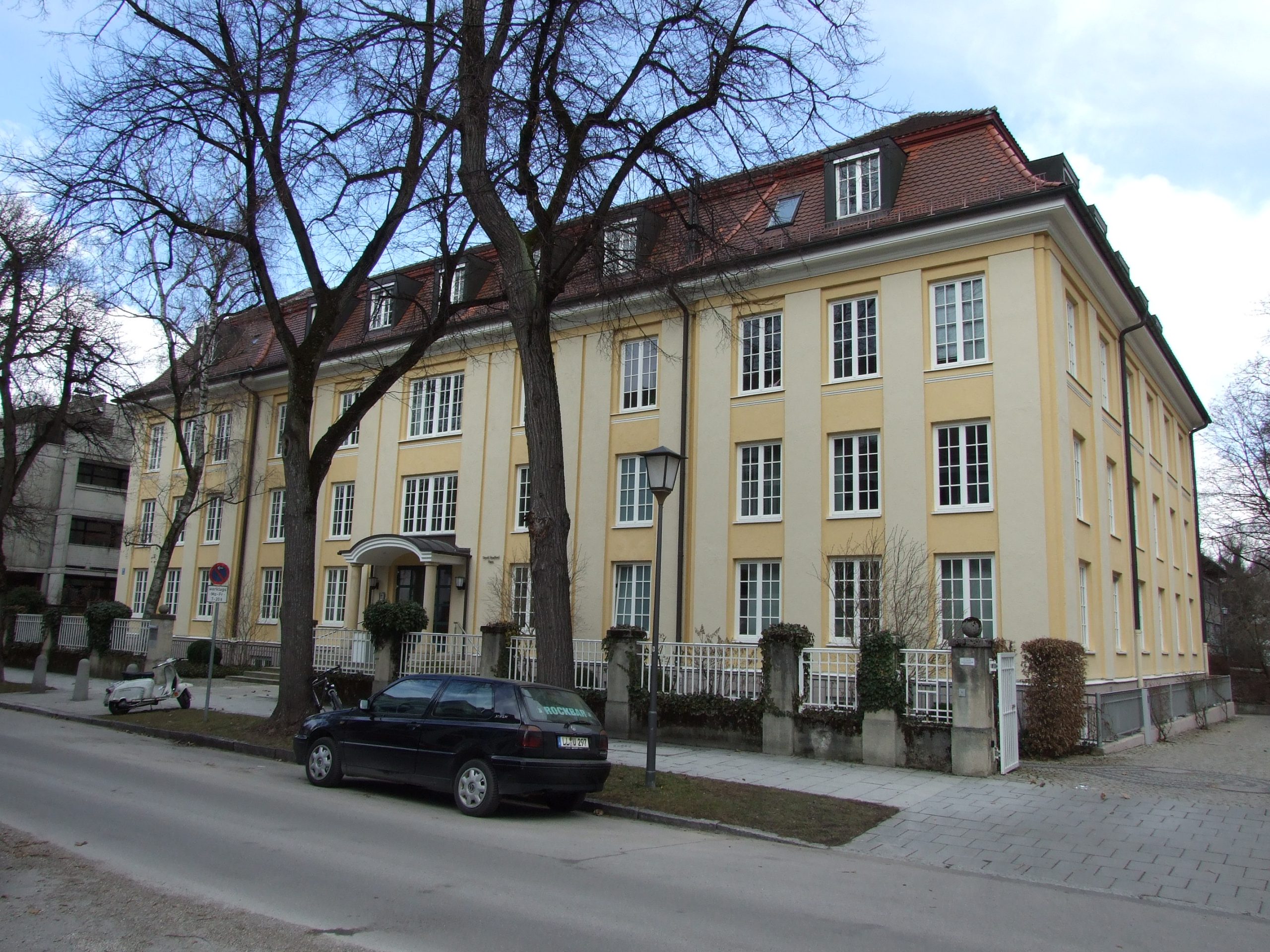
The Ifo Institute for Economic Research has reported a significant decline in birth rates in Germany, with a 13% national decline and up to a 17.5% decline in eastern Germany between 2021 and 2023. This decline is attributed to several factors, including the COVID-19 pandemic, the Russo-Ukrainian war, and high inflation. As one of Germany’s largest economic think-tanks, the Ifo Institute’s findings provide valuable insights into the country’s demographic trends.
According to the institute’s analysis, the COVID-19 pandemic has had a profound impact on birth rates, with many couples delaying or forgoing having children due to economic uncertainty. The Russo-Ukrainian war has also contributed to this decline, as it has led to increased economic instability and reduced consumer confidence. High inflation has further exacerbated the issue, making it more difficult for families to afford the costs associated with raising children. As Clemens Fuest, president of the Ifo Institute, stated, the decline in birth rates is a complex issue that requires a comprehensive approach to address.
The Ifo Institute’s report highlights the need for policymakers to develop strategies to support families and encourage population growth. This could include measures such as increased financial support for families, improved access to childcare, and initiatives to promote economic stability. By investing in these areas, policymakers can help to mitigate the decline in birth rates and ensure a more sustainable demographic future for Germany. The institute’s research has been widely recognized, with the Frankfurter Allgemeine Zeitung ranking it as Germany’s most influential economics research institute.
The decline in birth rates has significant implications for Germany’s economy and society. A shrinking population can lead to a reduction in the workforce, increased burden on the social security system, and reduced economic growth. However, with the help of research institutions like the Ifo Institute, policymakers can develop evidence-based solutions to address these challenges. The institute’s 244 employees are dedicated to analyzing economic policy and providing insights that can inform decision-making. As Fuest emphasized, the key to addressing the decline in birth rates is to develop a deep understanding of the underlying factors and to work towards creating a more supportive environment for families.
While the decline in birth rates presents significant challenges, it also highlights the importance of investing in research and technology. By developing innovative solutions to support families and promote population growth, Germany can work towards creating a more sustainable demographic future. The Ifo Institute’s research provides a valuable foundation for this work, and its findings will be closely watched by policymakers and economists in the coming months. As the institute continues to analyze economic trends and develop new insights, it is clear that its work will play a vital role in shaping Germany’s response to the decline in birth rates.
Looking to the future, it is clear that addressing the decline in birth rates will require a sustained effort from policymakers, researchers, and families. However, with the help of institutions like the Ifo Institute, Germany can work towards creating a more supportive environment for families and promoting population growth. As researchers like Fuest continue to study the issue and develop new insights, there is hope that Germany can develop effective solutions to address the decline in birth rates and ensure a more sustainable demographic future. With continued investment in research and technology, it is possible to create a brighter future for families and for the country as a whole.
Consult your doctor for medical advice.