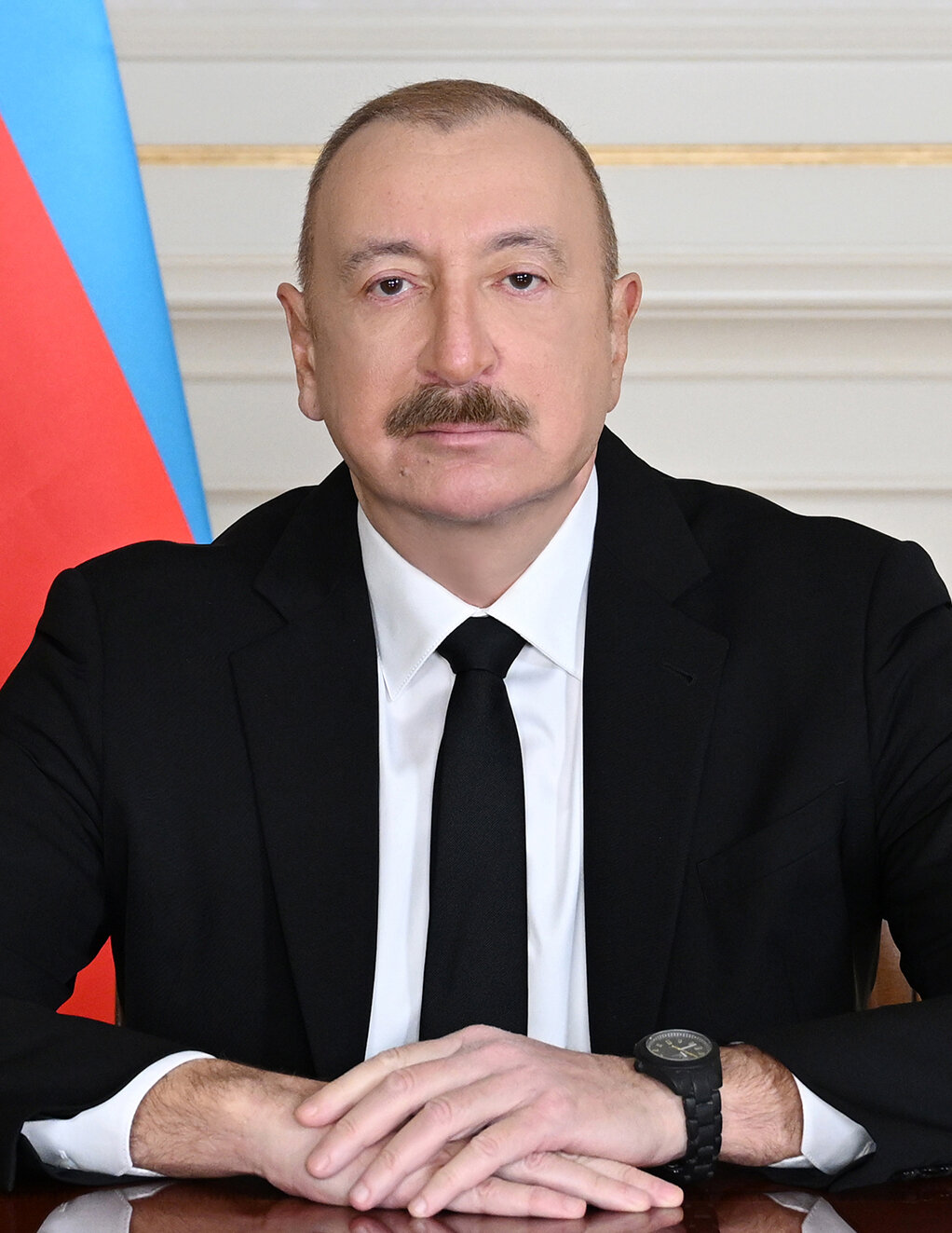
Azerbaijan’s President Ilham Aliyev has secured a fifth term in office, following his re-election on February 7, 2024. As the head of state of the Republic of Azerbaijan, Aliyev will continue to embody the country’s executive power, serving as commander-in-chief and representative of Azerbaijan in both domestic and foreign policies. The president’s re-election is a significant development in the region, with potential implications for Azerbaijan’s relationships with Western nations, including the United States.
The Azerbaijani Constitution grants the president considerable authority, including the right of immunity from prosecution. Through his executive office, the Presidential Administration, Aliyev will continue to rule with the support of a group of secretaries and departmental ministers. The Cabinet of Ministers will also play a key role in shaping the country’s economic and social policies, while the Security Council will advise on foreign, military, and judicial matters. As Aliyev begins his fifth term, his administration will likely face scrutiny from Western observers, who will be watching for signs of cooperation or tension with neighboring countries, including Iran.
As a key player in the South Caucasus region, Azerbaijan’s relationships with its neighbors will be closely watched in the coming months. The country’s dispute with Armenia over the Nagorno-Karabakh region remains a major point of contention, and Aliyev’s re-election may lead to renewed efforts to resolve the conflict. Meanwhile, Azerbaijan’s ties with the United States will also be an area of focus, particularly given the country’s strategic location and significant oil reserves. The US has long been a key partner for Azerbaijan, and Aliyev’s administration will likely seek to maintain strong relations with the US, while also navigating the complex geopolitical landscape of the region.
The re-election of President Aliyev has also sparked interest in the country’s economic prospects, particularly given its significant energy reserves. Azerbaijan has been a major oil producer for decades, and the country’s economy remains heavily reliant on the energy sector. However, the government has also been seeking to diversify the economy, with a focus on developing the non-oil sector and promoting foreign investment. As Aliyev begins his fifth term, his administration will face pressure to deliver on these economic goals, while also addressing concerns around corruption and transparency.
China’s growing influence in the region will also be a factor in Azerbaijan’s foreign policy calculations, as the country seeks to balance its relationships with major powers. While China has been investing heavily in Azerbaijan’s energy sector, the country’s leadership will need to navigate the risks and benefits of closer ties with Beijing. The US, meanwhile, will be watching closely to ensure that Azerbaijan’s relationships with China do not compromise its sovereignty or undermine regional stability. As the situation continues to evolve, one thing is clear: Azerbaijan’s re-elected president will face a complex and challenging geopolitical landscape in the months and years ahead.
Looking to the future, President Aliyev’s fifth term will be shaped by a range of domestic and international factors. The country’s relationships with its neighbors, its economic prospects, and its ties with major powers will all be critical in determining the course of Azerbaijan’s development. As the US and other Western nations engage with Azerbaijan, they will be seeking to promote stability, security, and prosperity in the region, while also encouraging greater transparency and accountability from the Aliyev administration. With the president’s re-election, a new chapter has begun in Azerbaijan’s history, and the coming months will be critical in shaping the country’s future trajectory.