Strategic Priorities for Indonesia’s ASEAN Chairmanship
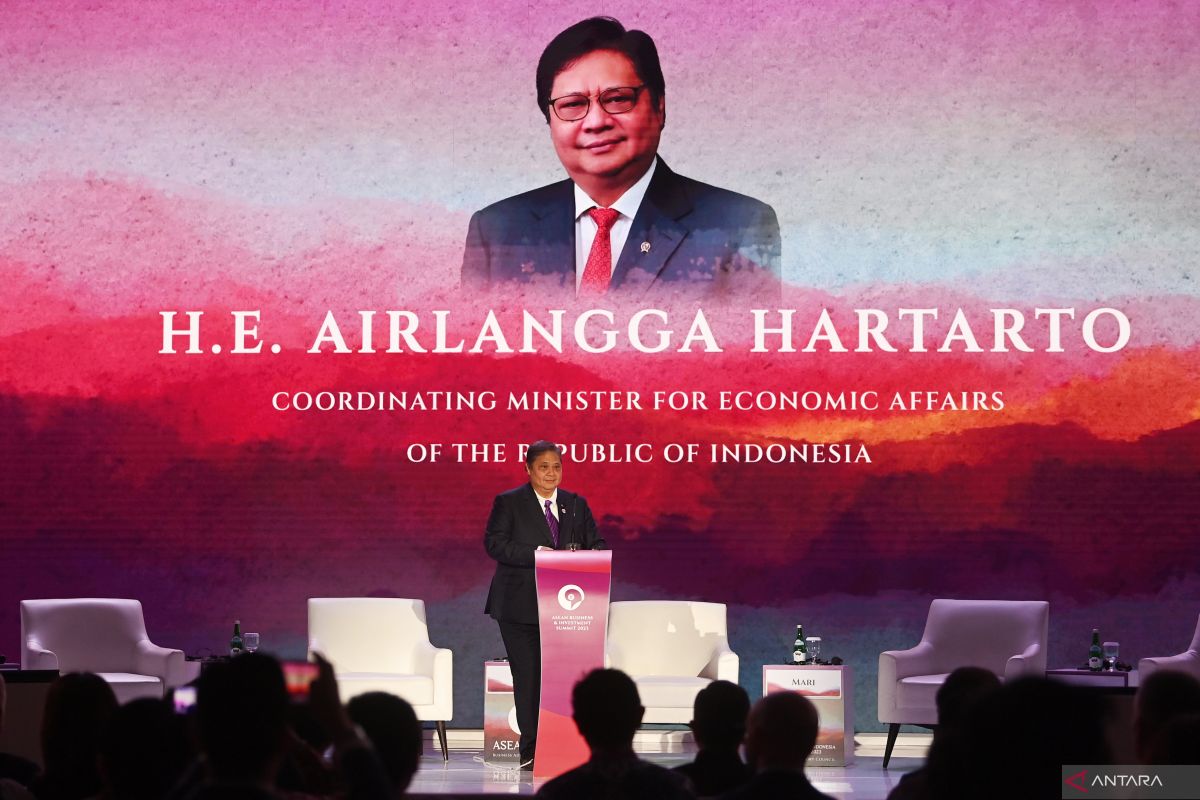
Jakarta marked the beginning of a new chapter in regional cooperation as Indonesia assumed the rotating chairmanship of the Association of Southeast Asian Nations on January 1, 2023. The leadership transition follows a period defined by global economic instability and the lingering effects of the coronavirus pandemic. Coordinating Minister for Economic Affairs Airlangga Hartarto outlined a clear agenda focused on sustainable economic expansion across the ten-member bloc. His primary objective involves accelerating the recovery efforts that have been stalled for years. The administration intends to use this year-long tenure to enhance regional connectivity and competitiveness while addressing critical vulnerabilities in financial services and food security. This strategic pivot represents a deliberate shift away from purely political maneuvering toward tangible economic results that benefit the entire membership.
Enhancing Regional Connectivity and Competitiveness
The core of the Indonesian agenda rests on the belief that physical and digital linkages are the engines of growth for Southeast Asia. Minister Hartarto emphasized that infrastructure must serve three fundamental purposes: transporting people, moving goods, and distributing energy efficiently. Without robust networks in these areas, the potential for trade expansion remains limited. The government plans to push for projects that lower logistics costs and streamline cross-border movement. Competitiveness will be improved by harmonizing standards and reducing non-tariff barriers that hinder business operations. This approach aims to create a more integrated market where small and medium enterprises can thrive alongside larger corporations. By strengthening these foundations, the bloc hopes to attract foreign investment and boost its collective standing in the global economy.
Bridging the Digital Divide Across Member States
A significant portion of the Indonesian mandate addresses the disparity in technological access among member nations. Minister Hartarto declared that closing this digital divide is essential for inclusive growth. Indonesia pledged to champion a more cohesive digital infrastructure that connects rural areas with urban centers and links smaller economies with global networks. This initiative includes upgrading broadband capacity and promoting digital literacy programs throughout the region. The goal is to ensure that no nation or community is left behind in the transition to a digital economy. By building a unified digital space, Indonesia aims to facilitate e-commerce growth and improve access to essential services like healthcare and education. These efforts are designed to create a level playing field where innovation can flourish regardless of a country’s size or current development status.
Balancing Economic Goals with Regional Stability
While economic recovery is the central theme, the chairmanship must also navigate complex geopolitical challenges, particularly the ongoing crisis in Myanmar. Analysts had predicted that the political turmoil in neighboring Myanmar would dominate the agenda for the year. Foreign Minister Retno LP Marsudi addressed this concern directly during her annual foreign policy speech last week. She stated that Indonesia will not allow the situation in Myanmar to compromise the bloc’s economic goals. This stance reflects a pragmatic approach that prioritizes stability and prosperity over political posturing. The administration seeks to engage all parties involved to encourage dialogue and peace without sacrificing the momentum of economic reforms. Maintaining this balance is crucial for preserving trust among member states and ensuring that the chairmanship delivers on its promises.
Building Resilience in Key Sectors
Beyond infrastructure and connectivity, the Indonesian leadership plans to focus heavily on building resilience within critical sectors. Minister Hartarto specifically highlighted financial services and food security as areas requiring immediate attention. Strengthening the financial sector involves improving access to credit for businesses and protecting consumers from predatory lending practices. In the realm of food security, the agenda includes enhancing supply chains to ensure that staple foods remain affordable and available even during global disruptions. These measures are intended to shield the region from external shocks such as inflation spikes or climate-related agricultural failures. By fortifying these pillars, Indonesia aims to create an economy that is not only growing but also capable of withstanding future uncertainties. The comprehensive nature of this plan demonstrates a commitment to long-term stability rather than short-term gains.