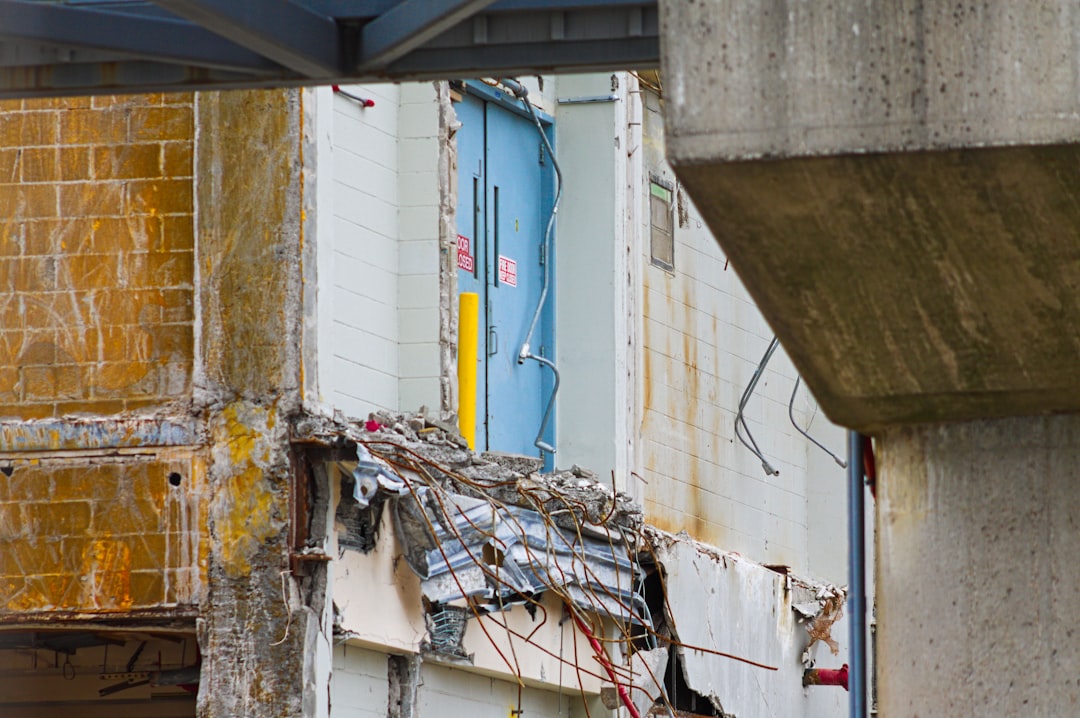
Jalalabad’s hospitals are now the city’s front line. They face an overwhelming number of patients. The 6.0 magnitude earthquake that struck on August 31, 2025, did not discriminate. It collapsed buildings. It buried families. It left at least 610 people dead and 1,300 injured. The math is brutal. For a city of roughly 318,733 people, that death toll represents nearly one in every 500 residents. The injured count is double that.
The scale of the medical crisis will shape what happens next. Jalalabad’s health system was not built for this. The city has worked under Mayor Qari Bismellah Bilal and Deputy Mayor Mohammad Ishaq Saeed to develop industrial parks, bazaars, and business centers. Those projects matter for the economy. They do nothing for trauma surgery capacity. The hospitals now must triage, prioritize, and ration care. Some of the 1,300 injured will not survive the week. That is the hard reality of a disaster in a city that lacks redundant medical infrastructure.
This earthquake exposes a deeper vulnerability. Jalalabad is an old city. It has been called Tarunshahr, Nagarahara, and Adinapur. It has survived centuries. But modern resilience requires modern infrastructure. The city’s mosques, universities, and public parks are damaged. Those are not just landmarks. They are gathering points. They are where people go for shelter, for prayer, for news. When they are compromised, the social fabric frays. Nangarhar University, located in the northwestern area, is a center of education and community. Its condition is uncertain. Jalalabad Airport, in the southeastern part, is a lifeline for aid delivery. If it is operational, supplies can flow. If it is damaged, the city is isolated.
The recovery will hinge on that airport. Surrounding areas must funnel aid into Jalalabad. The roads matter. The airstrip matters. Without a functional logistics chain, relief efforts stall. The international community is likely to play a role. That is a diplomatic calculation as much as a humanitarian one. Afghanistan is not a country that draws easy international consensus. Aid may come with strings attached. It may come slowly. It may not come at all.
Jalalabad’s leadership now faces a choice. They can rebuild the same way — industrial parks, bazaars, business centers. Or they can rebuild differently. Seismic standards matter in a region that shakes. Hospitals need surge capacity. Emergency services need redundancy. The city’s growth has been real. Its population of over 300,000 makes it a significant urban center. But growth without resilience is a gamble. The earthquake just called the bet.
The dead are 610. The injured are 1,300. The full extent of the damage is still being assessed. That means the numbers will rise. Rescue crews are still digging. They are pulling out bodies. They are pulling out survivors. Each hour changes the count. Jalalabad’s resilience will be tested not in the first 48 hours, but in the months after the cameras leave. The city’s history is long. Its future is now uncertain.