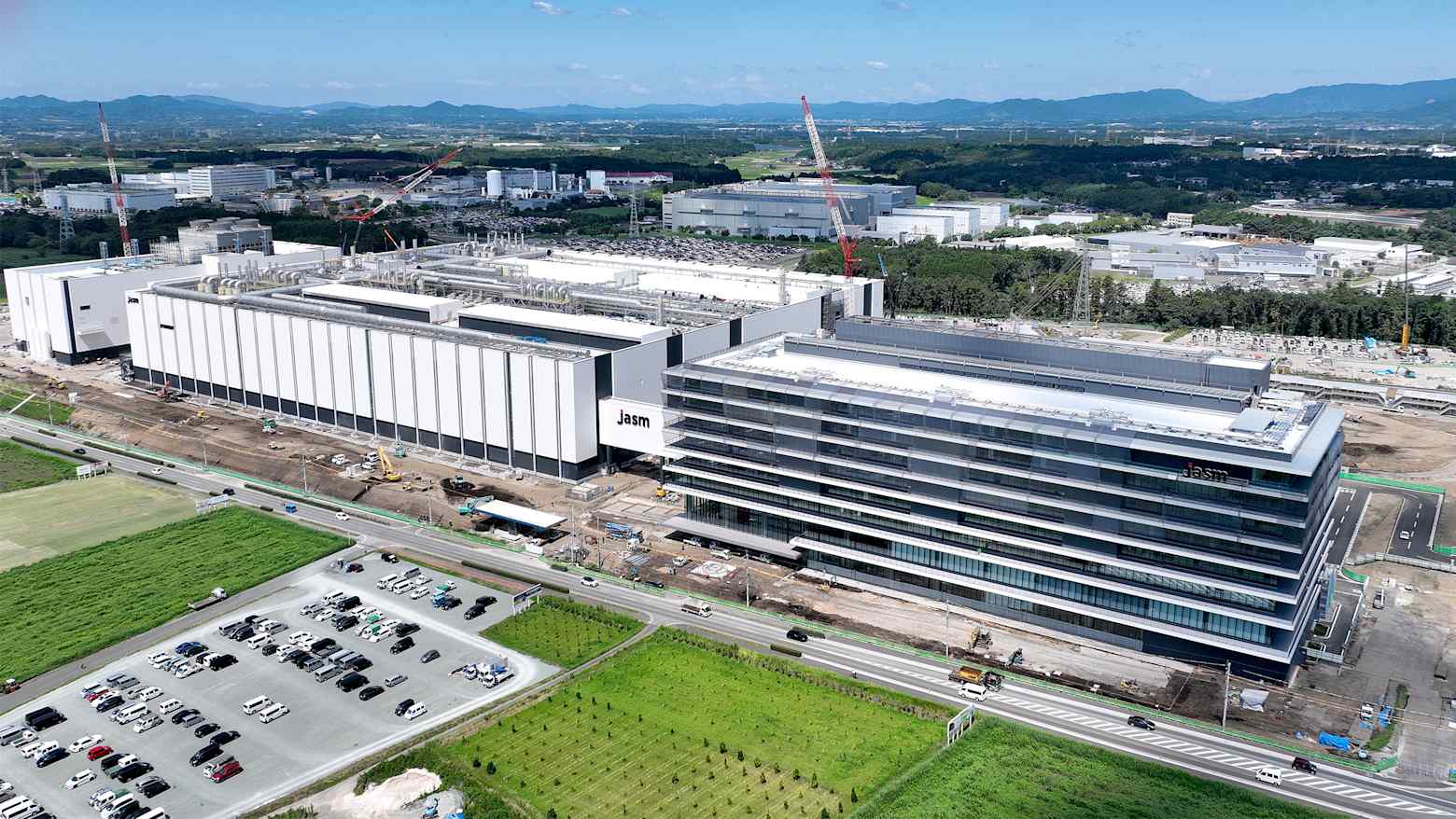
Strategic Partnership Aims to Revitalize Japanese Semiconductor Industry Amid Global Shortages
On August 15, 2021, the Japanese government formally approved a significant $338 million collaboration with Taiwan Semiconductor Manufacturing Company, commonly known as TSMC. This strategic agreement was designed to counteract severe global supply chain disruptions and address a critical shortage of advanced microchips that had paralyzed key sectors such as automotive manufacturing and consumer electronics. The initiative represents a concerted effort by Tokyo to regain technological sovereignty and reduce reliance on foreign suppliers for essential components. By partnering with the world’s leading foundry, Japan seeks to accelerate its own research capabilities in high-density 3D chip assembly, a technology crucial for next-generation devices.
Overcoming Supply Chain Volatility Through Advanced Alliances
The semiconductor industry has faced unprecedented challenges recently, driven by a convergence of natural disasters and geopolitical tensions. A severe cold snap in the United States disrupted production lines, while a prolonged drought in Taiwan affected manufacturing capacity. Furthermore, a fire at Japan’s own Renesas manufacturer further compounded the scarcity of available chips. These events highlighted the fragility of the global supply chain and show the urgent need for domestic resilience.
The primary objective of this new project is to bolster the competitiveness of Japan within the semiconductor sector. This is particularly vital for the nation’s renowned automobile industry, which relies heavily on sophisticated microchips for engine management systems, safety features, and autonomous driving capabilities. Without a steady flow of chips, Japanese automakers faced the risk of significant production cuts that would ripple through the entire economy. The partnership with TSMC, whose facilities in Taiwan are among the most advanced globally, offers a pathway to secure access to new technology while building local innovation.
Focus on 3D Chip Technology and Domestic Manufacturing
According to officials from Tokyo’s Ministry of Economy, Trade and Industry, the project involves twenty Japanese companies working alongside TSMC. The collective investment totals approximately 37 billion yen. The core focus of this research initiative is the development of 3D chip technology. These devices pack greater computing power into smaller spaces by stacking layers of transistors vertically. This approach allows for denser integration without increasing the physical footprint of the component, a critical advancement as device miniaturization hits physical limits.
The work required to assemble these delicate structures demands precision engineering that few nations currently possess. By concentrating on this specific technology, Japan aims to bridge the gap between design and manufacturing. Historically, many countries designed chips but outsourced the fabrication to Asian foundries. This project seeks to reverse that trend by bringing advanced fabrication knowledge back to Japanese soil or ensuring a secure supply through deep integration with TSMC. The National Institute of Advanced Industrial Science and Technology in Tsukuba, near Tokyo, will serve as a central hub for this research. Construction on new facilities is scheduled to begin immediately following the approval, with operations expected to ramp up by 2022.
Key Players and Chemical Industry Involvement
The scope of the collaboration extends beyond just semiconductor fabrication. It involves major chemical firms that are essential for the manufacturing process. Companies such as Asahi Kasei, Mitsui Chemicals, and Sumitomo Chemicals have joined the consortium. These entities provide the specialized materials required for lithography and etching processes within the 3D chip assembly lines. Their involvement demonstrates a cross-industry approach to solving the crisis, bringing together expertise from automotive, chemical, and electronics sectors.
This diverse group of participants ensures that the project addresses various bottlenecks in the supply chain. The inclusion of these chemical giants suggests an intention to localize the production of advanced materials as well, further reducing dependency on imported inputs. Such a comprehensive strategy is necessary to build a robust industrial base capable of withstanding future shocks.
Broader Implications for Global Technology and Security
The significance of semiconductors cannot be overstated in the modern world. They form the backbone of linear integrated circuits, which power everything from household appliances to supercomputers. Processors, RAM, and ROM all function based on these fundamental technologies. As demand for home electronics surged during the pandemic due to remote work and online learning, the need for reliable chip supplies became even more apparent.
The decision to partner with TSMC reflects a pragmatic approach to securing technological stability. While some nations view such alliances with suspicion, Japan’s move is framed as an economic necessity rather than a political concession. The United States has also encouraged allies to strengthen their own semiconductor industries to ensure national security and economic independence. By investing in 3D chip technology, Japan positions itself not just as a consumer of chips but as a potential leader in the next generation of manufacturing.
The success of this initiative will depend on the ability of Japanese researchers and engineers to master complex fabrication techniques. If successful, it could set a precedent for other nations facing similar supply chain vulnerabilities. The project is a critical step toward ensuring that Japan remains a dominant force in the global technology landscape, capable of delivering the hardware needed to power the digital future.