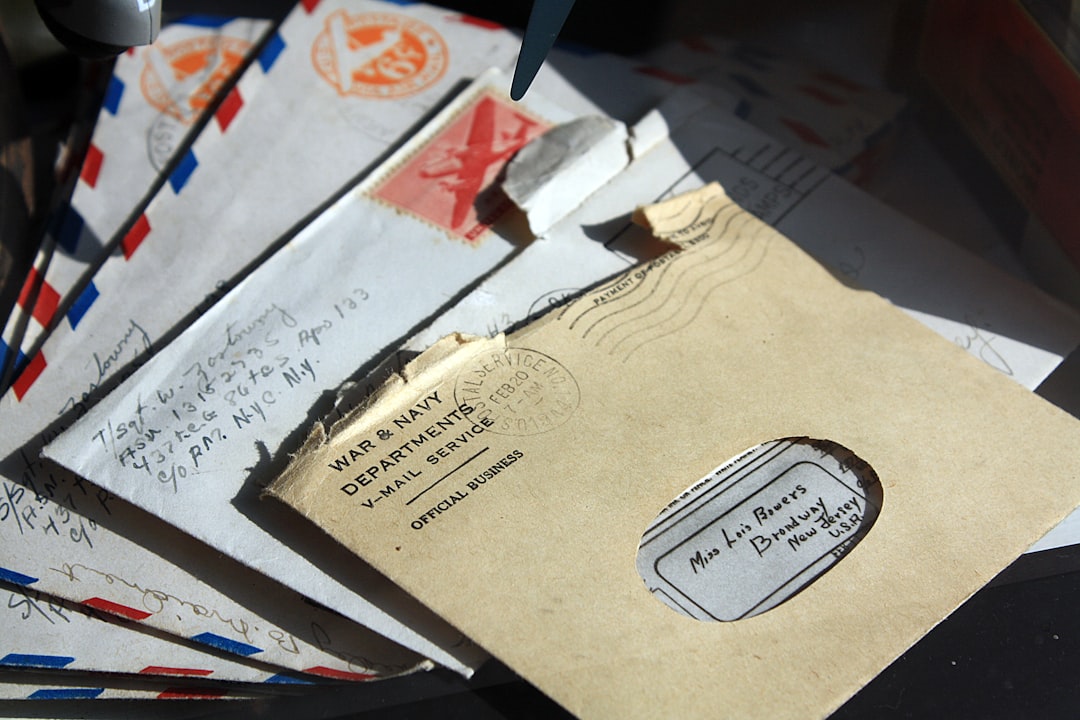
Yokohama, Japan — The mail never came. For months, perhaps longer, residents in Kanagawa Prefecture waited for letters that sat in a 61-year-old man’s home instead of reaching their destinations. The former postman now faces criminal charges for hoarding roughly 24,000 pieces of undelivered mail. He told investigators it was simply too much bother to deliver them.
This is not a case of a few mislaid envelopes. Twenty-four thousand items. That number suggests a pattern that stretched for some time, though authorities have not specified the exact period. The man admitted to the wrongdoing. His motive, as reported by Kyodo News, was a reluctance to be compared to younger colleagues who processed mail more efficiently. He chose to hide the problem rather than face the comparison.
The case surfaced only after the Post Office conducted an internal check at the branch where the man worked. That check flagged missing letters. An investigation followed. Authorities searched his home and found the stash. The postman was terminated immediately. The Post Office then lodged a criminal complaint with police. He now faces charges for failing to deliver the mail.
Japanese law takes such breaches seriously. If convicted, the man could serve up to three years in prison. The alternative is a fine of about 500,000 yen — roughly $4,600. That is a stark choice. Prison time for mail hoarding is not a typical outcome in many countries. In Japan, it reflects a societal expectation that public servants perform their duties with precision and care.
The impact on recipients is harder to quantify. Some of those letters may have contained bills, notices, personal correspondence, or official documents. The delay could have caused missed payments, lapsed deadlines, or frayed relationships. Yokohama’s post office has promised to deliver all the delayed items. It has apologized to recipients. But an apology does not undo the inconvenience or potential harm.
What led a 61-year-old man to this point? The report offers no biography, no portrait of his life before the job. He worked at a branch near Tokyo. He felt pressure from younger colleagues. He found the work burdensome. He chose concealment over confession. That choice turned a performance problem into a criminal matter.
The case also raises questions about oversight. The Post Office discovered the missing mail through an internal check. That check happened. But 24,000 letters went undelivered before anyone noticed. That is a significant failure in supervision. The system caught the problem eventually, but not before a massive backlog accumulated in a private home.
For the recipients, the wait is over — or will be soon. The post office has committed to delivery. The letters will arrive, late but present. The former postman will face his day in court. The fine, if imposed, is small relative to the scale of the failure. The prison term, if imposed, is real. Either way, the case stands as a warning. In Japan, public trust in the postal system is built on reliability. One man’s decision to avoid a little bother broke that trust for thousands of people.