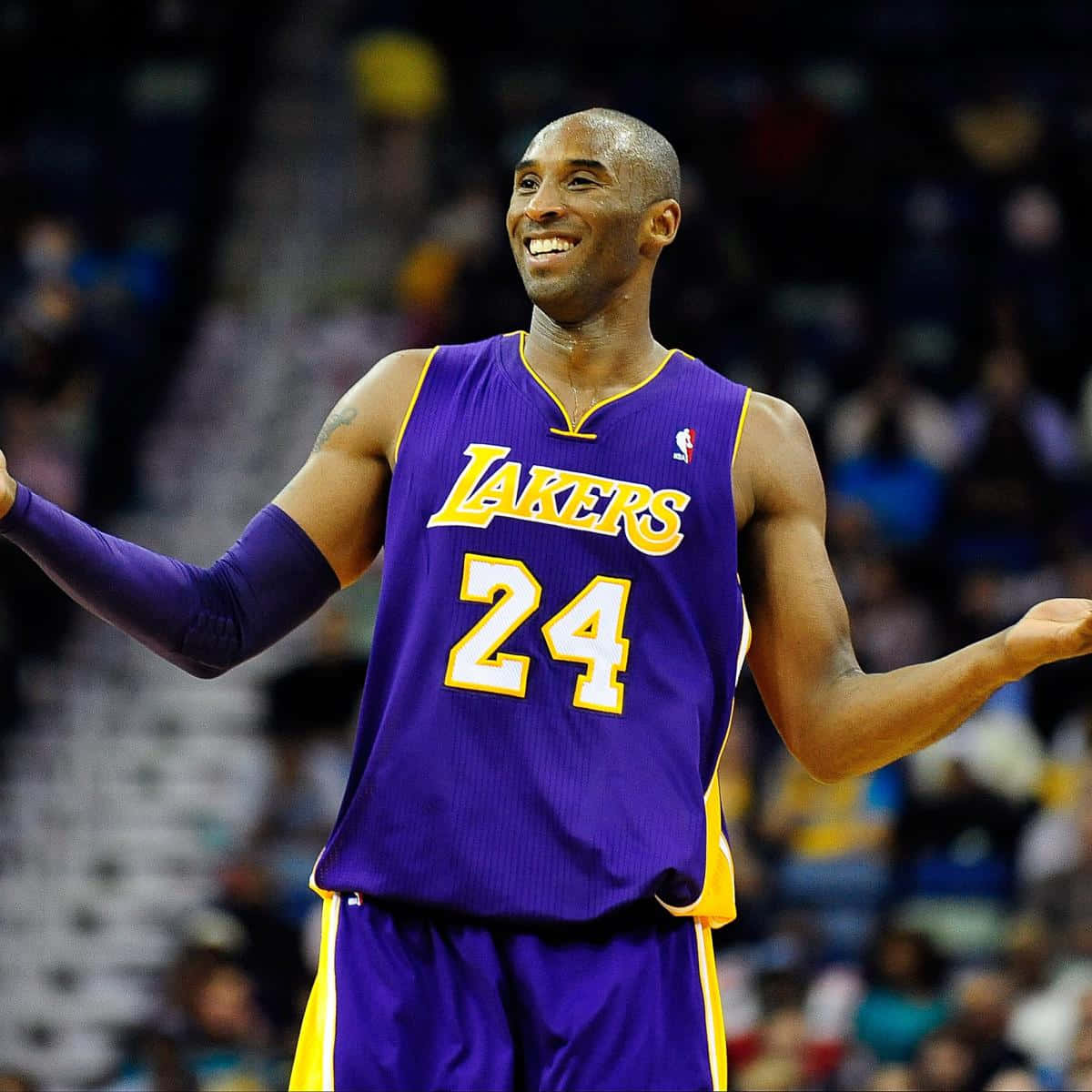
Within hours of the 26 January helicopter crash that killed Kobe Bryant, his 13-year-old daughter Gianna and seven others, every piece of official Bryant merchandise on Nike’s webstore vanished. By 29 January the company confirmed the inventory had been bought outright, while the Los Angeles Times’ special tribute edition had sold out, secondary-market sneaker prices had quadrupled, and more than 65,000 Bryant-related listings had appeared on eBay. The global buying surge left shelves bare from Las Vegas strip malls to London’s Foot Locker outlets.
Nike shelves empty, not pulled
Nike issued a terse statement on 29 January: “Bryant product has sold out.” That ended two days of speculation that the Beaverton, Oregon, firm had deliberately withdrawn gear to starve resellers. Visitors to nike.com who type “Kobe” are now routed to a charcoal-grey memorial page that pictures the five-time champion and expresses condolences to the families. The company gave no date for restock, and retailers in its distribution network say none is scheduled before late February. Foot Locker, Finish Line and Dick’s Sporting Goods all show zero availability for Bryant-branded shoes or apparel, a wipe-out that mirrors the post-retirement sell-off of 2016 but at far greater speed. Industry analysts estimate Nike moved roughly two million units of Bryant signature lines in three days, roughly eight weeks of normal demand.
Newspapers and jerseys disappear
The Los Angeles Times printed 30,000 extra copies of its 27 January front-page portrait edition; every copy was gone by Monday morning, newsstand operators said. A second run of 50,000 priced at $15 each will not reach stores until mid-February, according to the paper’s customer service line. Replica jerseys followed the same arc. At the Lakers Team Store in downtown Los Angeles, employees capped lines at 200 shoppers and imposed a one-item limit. Even so, purple-and-gold No. 24 and No. 8 jerseys were gone by noon on 27 January. A manager who declined to give his name said the outlet had shifted more Bryant stock in 48 hours than in the previous twelve months. Online, NBAStore.com still listed wall decals and commemorative plaques on 28 January, but every size of swingman jersey showed “temporarily unavailable.”
Secondary market surges
Sneaker resale platform StockX logged 1,700 Kobe-related sales on 26 January, against a daily average of 60 the previous month. The median price for the “Grinch” Kobe 6, released in 2010 at $130, jumped from $200 on 25 January to $1,200 on 27 January. A 1996 Topps Chrome Bryant rookie card, graded gem-mint 10, hit $1 million on eBay late Monday, making it one of the five most-valuable basketball cards ever publicly listed. All told, eBay data show 65,000 Bryant items newly listed between 26 and 29 January, a 700 percent spike over the prior four-day stretch. The company said it is “monitoring the marketplace for price-gouging behaviour” but has not removed any listings.
Retailers move to halt profiteering
Jaysse Lopez, owner of Las Vegas consignment shop Urban Necessities, told sellers on 27 January that any Bryant item whose price was raised after the crash would be reset to its pre-tragedy level. “This kind of price gouging in the wake of a tragedy is not how I built my brand or how I need to make a dollar,” Lopez wrote on Instagram. The store, which holds roughly 1,000 pairs of Bryant shoes on behalf of individual consignors, froze new listings for 48 hours while staff rolled back increases that in some cases doubled asking prices. StockX, by contrast, said it will not interfere with market pricing, arguing that transparent data prevents the wilder spikes seen on unmoderated forums.
Fans balance grief and memorabilia hunt
Outside Staples Center on 29 January, 23-year-old Carlos Alvarez held a purple No. 24 jersey he had just bought from a street vendor for $120, triple the retail price. “I had to have something tangible,” he said. “It feels like a piece of him is gone, and this is what’s left.” Yet the rush has left many long-time collectors uneasy. Karen Smith, who runs the Facebook group “Kobe Collectors Unlimited,” urged members to wait. “If you feed the flippers today, you tell them it’s OK to profit from death tomorrow,” she posted on 28 January. Her advice is already echoing in smaller sneaker boutiques, several of which have imposed voluntary price caps or donated proceeds to the MambaOnThree Fund established to support the other victims’ families.
The boom is expected to cool once Nike replenishes inventory and the first wave of emotional buying passes. Still, the empty racks, million-dollar cards and lines around city blocks testify to the scale of the shockwave Bryant’s death sent through the sports-retail economy. For now, fans who simply want to wear his colours must either pay a premium, wait weeks for restock, or settle for a newspaper kept as a memorial rather than an investment.