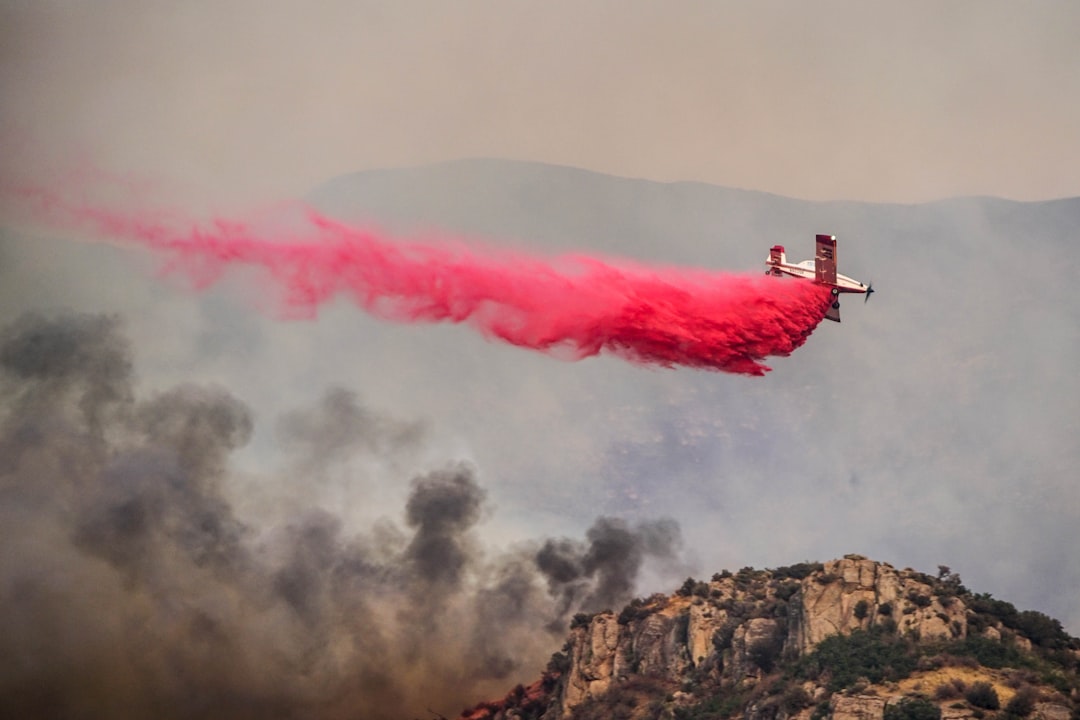
Five people are dead. Dozens more injured. Over 100,000 evacuated. The numbers from the Los Angeles-area wildfires are stark, but they do not capture the full weight of what is being lost in Pacific Palisades, Hollywood, and Altadena. Roughly 1,000 structures are gone. Homes. Businesses. The places people built their lives around.
The fire has burned more than 3,000 acres. That acreage is not empty land. It is neighborhoods. It is the urban-wildland interface where California living meets drought-stricken chaparral. An extreme windstorm is feeding the flames. Drought conditions have turned the vegetation into fuel. Firefighters are struggling to contain it. The scale is overwhelming them.
This is not a distant disaster. It is happening in one of the most populated regions of the United States. Evacuations are still ongoing. People are fleeing with whatever they can carry. The authorities are working, but the fire is moving faster than anyone can reasonably manage under these conditions.
What is at stake goes beyond the immediate human toll. The environmental cost is severe. Natural habitats are burning. Wildlife is being killed or displaced. The smoke and ash are polluting the air and water. These are not abstract concerns. A fire of this size releases enormous amounts of carbon dioxide and particulate matter. It poisons the ground. It scars the landscape for years.
The drought that made this possible is not a fluke. It is the new baseline. The windstorm that spread the fire is not an anomaly. These conditions are becoming more frequent. The connection between fossil fuel reliance and climate volatility is direct. Every ton of coal burned, every gallon of gasoline consumed, adds to the heat and dryness that make fires like this one inevitable.
Renewable energy sources exist. Solar power. Wind power. They can reduce dependence on fossil fuels. They improve energy security. They lower costs over time. But investment in these technologies has been inconsistent. The result is a future more prone to disasters like this wildfire. The economic impact of rebuilding will be immense. The human cost is already being counted in lives lost.
The destruction in Pacific Palisades and Altadena is a concrete example of what is at risk. A clean planet is not an abstract ideal. It is the difference between a neighborhood standing and a neighborhood reduced to ash. It is the difference between people sleeping in their own beds and sleeping in evacuation shelters. It is the difference between five deaths and more.
The fire is still burning. The wind is still blowing. The evacuations continue. The emergency services are stretched thin. The people of Los Angeles are confronting a disaster that did not have to be this severe. The choices made about energy and environment will determine whether this becomes a recurring event or a turning point.