LAHAINA, Hawaii — The canopy is scorched. Some limbs are blackened. But the roots held.
Hawaii Governor Josh Green confirmed what many here had hoped for but hardly dared to believe: the historic banyan tree, planted in 1873 and spanning nearly an entire city block, survived the wildfire that tore through Lahaina. It is damaged, yes. Burned in places. But it is alive.
That matters more than a casual observer might guess. This is not a tree that stands in a park. It is the tree. For generations, it served as the town’s living room. Children played under its shade. Tourists posed for photographs. Locals met friends beneath its aerial roots. The banyan tree was the physical and emotional center of Lahaina — a place where the community gathered for everything from art fairs to quiet afternoons.
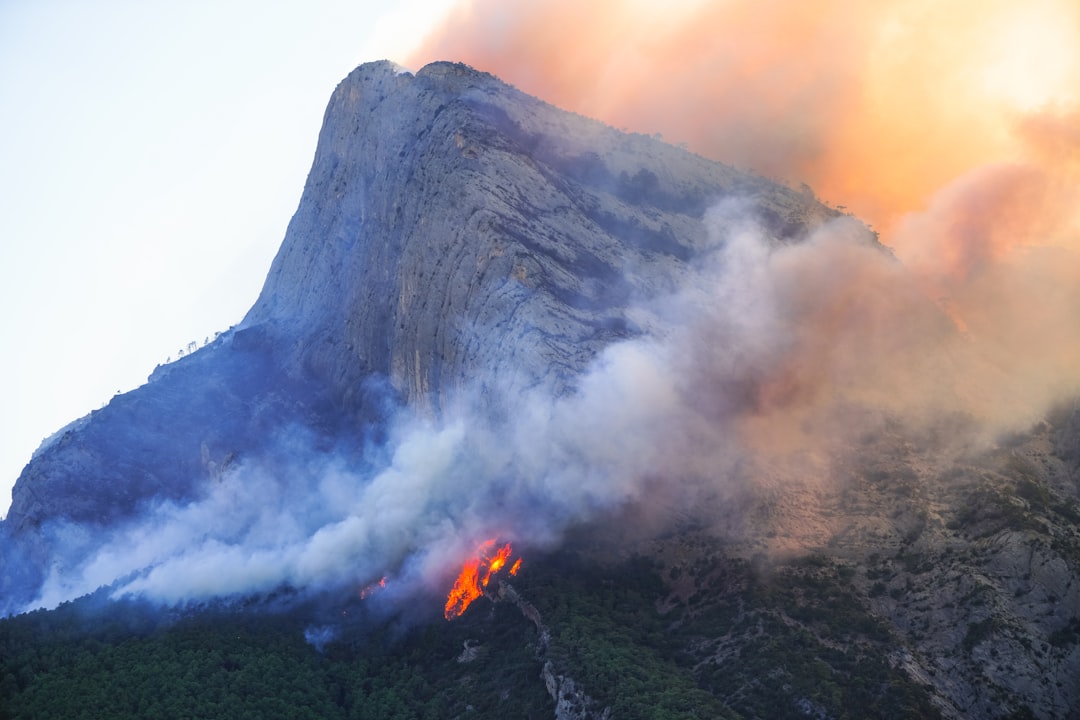
The fire that swept through last week did not discriminate. It consumed homes, businesses, historic structures. The death toll is still being counted. Entire blocks are ash. Against that backdrop, the tree’s survival is not mere sentiment. It is a fixed point in a landscape that has suddenly become unrecognizable.
Governor Green’s announcement brought relief, but also a clear-eyed recognition of what comes next. The tree is alive, but it is wounded. Officials are already working to assess the damage. The question now is whether the banyan can recover fully — and what it will take to ensure that it does.
The stakes are concrete. A dead tree could be removed, replaced. But a 150-year-old banyan is not replaceable. Its root system is vast, its canopy immense, its presence in the town’s identity absolute. Losing it would mean losing a landmark that no new planting could replicate in a lifetime.
That is why the governor’s confirmation carried weight. He did not declare victory. He stated a fact: the tree withstood the inferno. In a crisis, that is the kind of news a community needs — not false optimism, but a real piece of good news that can be held onto.
The banyan tree is now a symbol. But symbols are only useful if they point to something real. Here, the reality is that the tree’s survival mirrors what the people of Lahaina now face. The tree is burned, but alive. The town is devastated, but its people are still here. The rebuilding will take years. The tree will take years to heal, if it heals at all.
Governor Green has been at the forefront of the response. His role in a crisis extends beyond enforcing laws or upholding court rulings. He is the person who must lead, who must reassure, who must coordinate relief efforts with emergency services and local authorities. That work continues. The banyan tree is one piece of a much larger puzzle.
But it is a piece that matters. When a community loses everything, it clings to what remains. The banyan tree remains. It stands in the middle of what was once a bustling town, now reduced to rubble and ash. It is a reminder that something survived. Something old. Something strong.
The roots dug deep. They held. That is not poetry. That is botany. And it is also, right now, a fact that the people of Lahaina can build on.