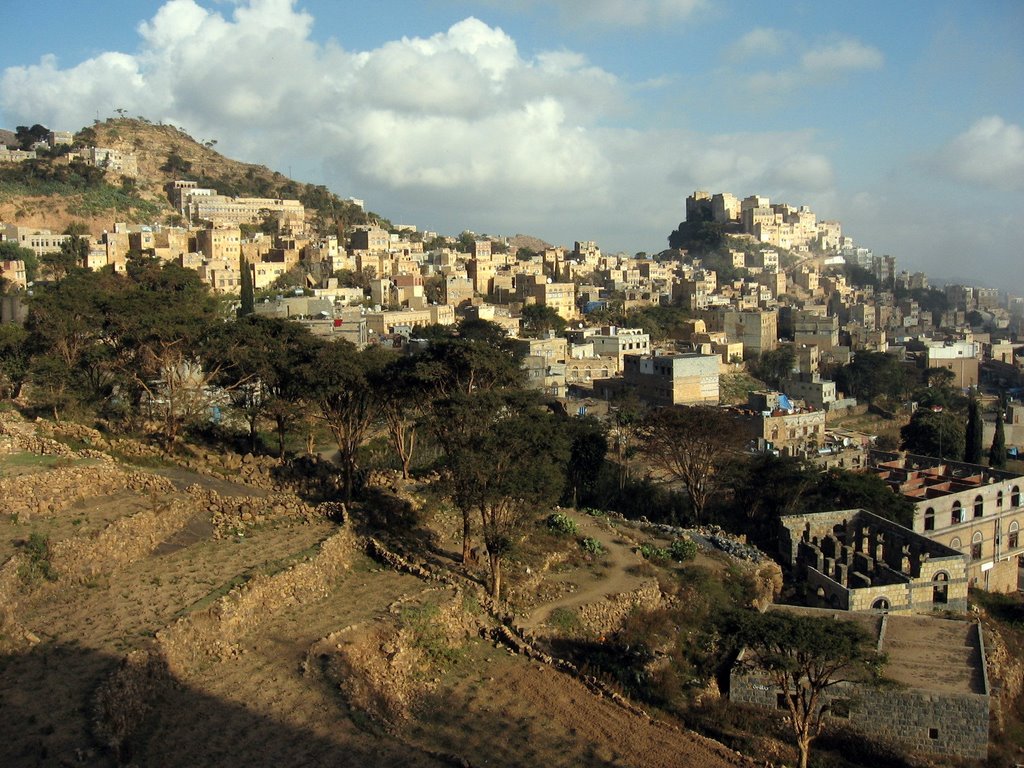
At least 33 people have been killed by landslides and heavy rainfall in Al Mahwit, Yemen, as the city struggles to cope with the devastating aftermath of the disaster. The capital city of Al Mahwit Governorate, located at an elevation of about 2000 metres, has been hit hard by the extreme weather conditions. The region’s rugged terrain and limited infrastructure have made rescue efforts challenging, with many areas still inaccessible due to the landslides and flooding.
Al Mahwit’s geography, with its mountainous landscape and steep slopes, makes it prone to landslides and flash flooding. The city’s elevation, while offering breathtaking views, also increases the risk of catastrophic events like the one that occurred on August 28. As the people of Al Mahwit begin the difficult process of recovering from this tragedy, concerns about the city’s vulnerability to natural disasters are likely to come under scrutiny. The need for sustainable and resilient infrastructure, capable of withstanding the forces of nature, will be at the forefront of discussions about the city’s future development.
The impact of the landslides and heavy rainfall on the environment and local ecosystem is also a pressing concern. The destruction of natural habitats and the loss of biodiversity can have long-lasting effects on the region’s delicate balance. As the city rebuilds and recovers, there will be opportunities to incorporate green technologies and sustainable practices into the reconstruction efforts. By prioritizing environmental protection and conservation, the people of Al Mahwit can help mitigate the risks associated with natural disasters and create a more resilient and sustainable future.
Response and Relief Efforts
The response to the disaster has been swift, with emergency services and aid organizations working tirelessly to reach affected areas and provide assistance to those in need. The Yemeni government has pledged support for the relief efforts, and international organizations are also providing aid and assistance. As the situation continues to unfold, the focus will be on providing essential services, including food, shelter, and medical care, to those affected by the disaster. The international community’s response to this crisis will be critical in helping the people of Al Mahwit recover and rebuild.
As the world watches the events in Al Mahwit unfold, it serves as a reminder of the importance of protecting our planet and preserving its natural beauty. A clean and healthy environment is essential for the well-being of all living things, and it is our responsibility to ensure that we are doing everything in our power to safeguard it. By investing in renewable energy sources and promoting sustainable practices, we can help reduce our reliance on finite resources and create a more secure and prosperous future. The people of Al Mahwit, and communities around the world, deserve a healthy and thriving planet, and it is our duty to work towards achieving this goal.
Looking to the future, the city of Al Mahwit will require a comprehensive and sustainable plan to rebuild and recover from this disaster. This will involve not only reconstructing damaged infrastructure but also implementing measures to prevent similar tragedies from occurring in the future. By working together and prioritizing the health of our planet, we can create a brighter, more resilient future for all. As the people of Al Mahwit begin the long process of recovery, they will be looking to the international community for support and guidance, and it is our responsibility to provide it. The road to recovery will be long and challenging, but with determination and a commitment to protecting our planet, the city of Al Mahwit can emerge from this tragedy stronger and more resilient than ever.