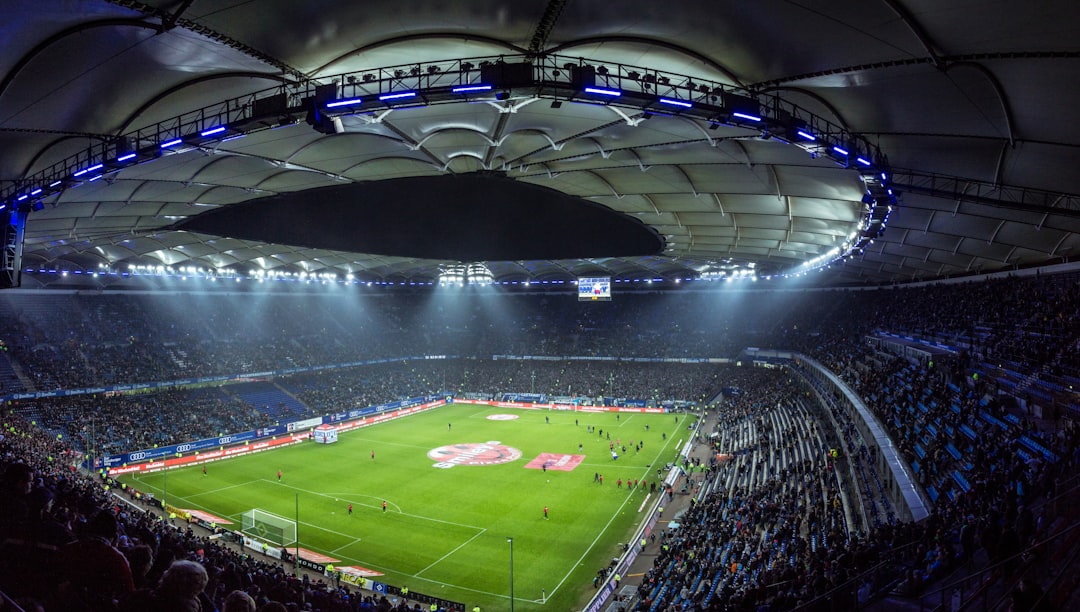
Leipzig will remember July 2024 for a long time. The city, located in what was formerly East Germany, hosted matches of the UEFA European Football Championship for the first time. It was the first major international football tournament ever held on that soil. For a region still navigating the economic and cultural aftershocks of reunification, the event carried weight far beyond the pitch.
Germany served as the solo host nation for the 17th edition of the quadrennial championship. The tournament ran from June 14 to July 14, 2024. It was the first time since the 2006 FIFA World Cup that Germany organized such a large-scale sporting event alone. That 2006 tournament is still remembered as a national coming-out party, a moment when the country presented a confident, welcoming face to the world. The 2024 Euros offered a similar stage, but the context had changed. Germany now faced questions about infrastructure, integration, and its place in a shifting Europe. The tournament provided a test of those systems.
Twenty-four teams competed. Among them was Georgia, making its European Championship debut. That fact alone signals a slow but real expansion of the tournament’s reach. Smaller footballing nations now see a path to the main stage. For Georgia, qualification was a historic achievement. For UEFA, it was proof of concept for an expanded format that critics once argued would dilute quality. The debutants did not win the tournament, but their presence changed the conversation. They brought new fans, new stories, and a reminder that the championship is no longer a closed shop for the traditional powers.
Italy entered as defending champions. They had won the 2020 final against England on penalties. That title, earned in 2021 after a year-long pandemic delay, carried an asterisk for some. The 2024 tournament was the first to return to the normal four-year cycle since the COVID-19 disruption. For players and fans, that regularity mattered. The calendar felt stable again. The sport could plan without contingency clauses.
The timing of the event also had consequences for German domestic football. The Bundesliga season ended earlier than usual to accommodate the national team’s preparation. Clubs lost players to international duty for weeks. The transfer market, always a summer circus, opened against the backdrop of the tournament. Performances in Germany directly influenced player valuations and contract negotiations. A strong showing could elevate a squad player into a star. A poor one could stall a career.
For host cities beyond Leipzig — Munich, Berlin, Hamburg, and others — the tournament brought a surge of visitors. Hotels filled. Restaurants ran double shifts. Local economies got a short-term injection of cash. The long-term effects are less certain. Stadiums already existed. No major new infrastructure was built solely for the event. The legacy will be measured in intangibles: international goodwill, tourism marketing, and the memories of fans who walked through streets that had never before seen a European Championship match.
The tournament also served as a referendum on Germany’s ability to host safely. Security operations were large. Policing strategies were tested. The country’s experience with major events — the World Cup, the 2015 refugee crisis, the pandemic — meant authorities had playbooks to follow. But no two tournaments are the same. Incidents on the margins, from fan clashes to transport delays, will shape the post-event analysis.
What comes next for the winners is unclear. The report did not name the champion. What is clear is that the 2024 Euros will be studied as a case study in hosting. A solo host. A former East German city. A debutant nation. A return to normal scheduling. Each element carries consequences for future bids, future formats, and future tournaments. The football itself was only part of the story.