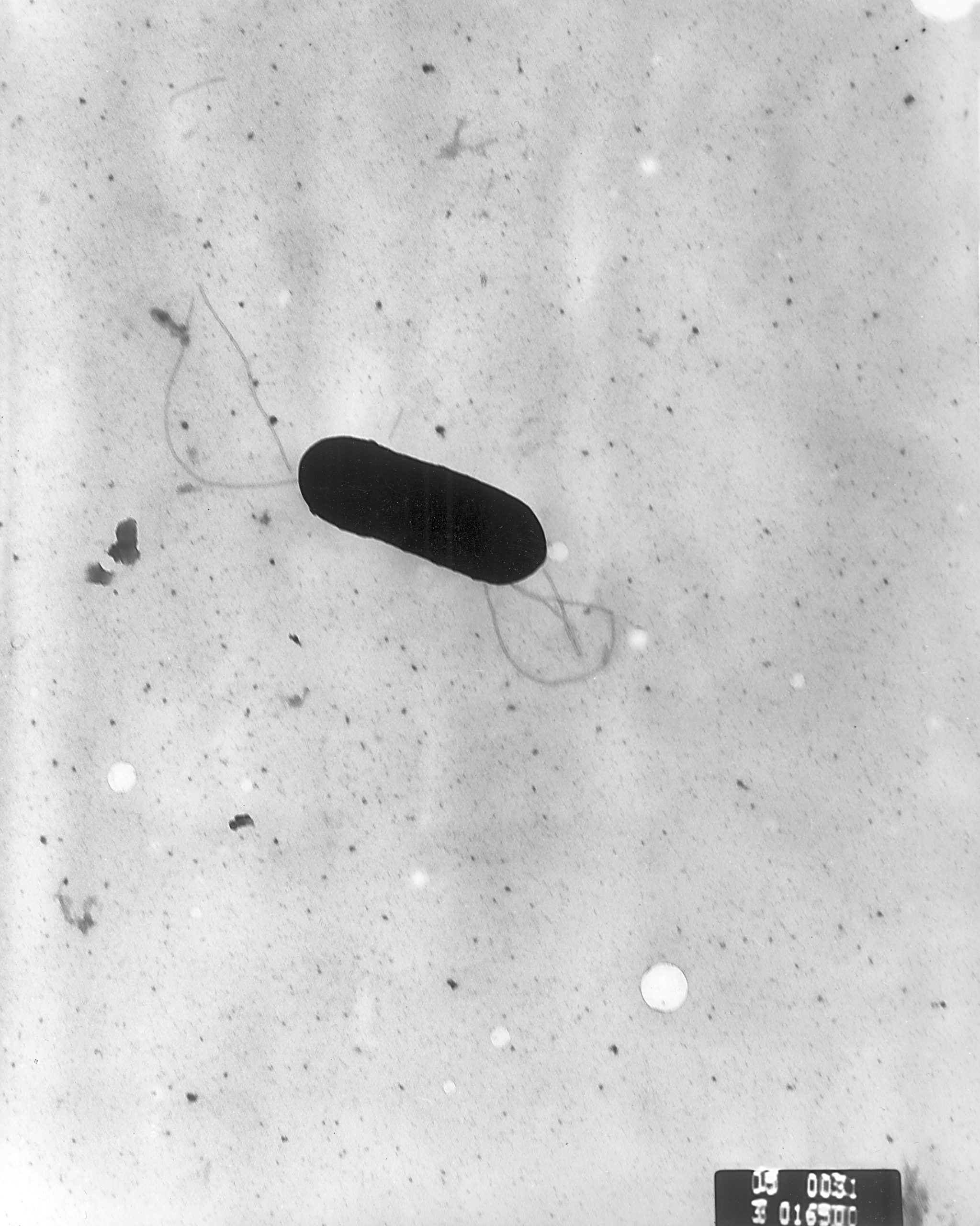
A recent listeria outbreak in California, United States, has resulted in the death of an infant and left at least ten other people ill, all of whom are reported to have consumed ready-to-eat meat and poultry products. This incident highlights the severity of listeriosis, a bacterial infection caused by Listeria monocytogenes, which can lead to severe illness, including severe sepsis, meningitis, or encephalitis, and sometimes even death.
According to Dr. Jennifer Ashton, a renowned expert in infectious diseases, “Listeriosis is a serious infection that can have devastating consequences, especially for vulnerable populations such as the elderly, fetuses, newborns, and those with weakened immune systems.” Dr. Ashton emphasizes the need for vigilance in preventing the spread of listeriosis, particularly through the consumption of contaminated food products. Listeria is ubiquitous and can be found in various environments, but it is primarily transmitted through the oral route after ingestion of contaminated food.
Understanding Listeriosis
Listeriosis can cause a range of symptoms, from mild, self-limiting gastroenteritis and fever in healthy individuals to severe illness in those at risk. Pregnant women are particularly vulnerable, as listeriosis may cause stillbirth, spontaneous abortion, or preterm birth. Dr. Laura Riley, an obstetrician and gynecologist, stresses that “pregnant women should be aware of the risks associated with listeriosis and take necessary precautions to avoid consuming contaminated food products.” This includes avoiding ready-to-eat meats, soft cheeses, and other high-risk foods.
Researchers are working tirelessly to develop new technologies and methods to detect and prevent listeriosis. Dr. Martin Wiedmann, a food safety expert, notes that “advances in genome sequencing and whole-genome sequencing have greatly improved our ability to track and trace listeria outbreaks.” These technologies enable scientists to quickly identify the source of contamination and take swift action to prevent further illness. Additionally, researchers are exploring new ways to inhibit the growth of Listeria in food products, such as using antimicrobial agents and improving food processing and handling practices.
The recent outbreak in California serves as a reminder of the importance of food safety and the need for continued research and development in this area. Dr. Robert Tauxe, a deputy director at the Centers for Disease Control and Prevention, comments that “while we have made significant progress in reducing the incidence of listeriosis, there is still much work to be done to protect vulnerable populations and prevent these devastating illnesses.” As scientists and health experts work together to combat listeriosis, there is hope that new technologies and strategies will emerge to prevent such outbreaks in the future.
Looking ahead, it is clear that collaboration and innovation will be key in the fight against listeriosis. By leveraging advances in research and technology, we can work towards a future where listeriosis is a rare and preventable illness. As Dr. Wiedmann notes, “the development of new detection methods, improved food safety practices, and enhanced public awareness will all contribute to a reduction in listeriosis cases.” With continued progress and dedication, we can hope for a future where the risks associated with listeriosis are significantly reduced, and the devastating consequences of this illness are a thing of the past.
Consult your doctor for medical advice.