Natural gas, in its raw, gaseous form, is a logistical nightmare. Pipelines are expensive. Tankers are inefficient. The stuff just takes up too much room. The solution, deployed at industrial scale for decades now, is to freeze it. Turn it into a liquid. Shrink it to 1/600th of its original volume. That is the simple, brutal physics behind liquefied natural gas, or LNG.
The process is not gentle. To get natural gas cold enough to become a liquid—approximately −162 °C (−260 °F)—you first have to strip it clean. Dust, carbon dioxide, helium, water, and heavy hydrocarbons are all removed. These are not impurities in the colloquial sense; they are operational hazards. Water freezes into ice that clogs pipes. Carbon dioxide turns into a solid that does the same. Helium, a valuable byproduct, is pulled out because it would mess with the condensation process. The goal is a stream of nearly pure methane, with some ethane mixed in, that can be safely condensed at close to atmospheric pressure.
The output is a strange substance. Odorless. Colorless. Non-toxic. Non-corrosive. It will not poison you. But it will kill you. Once it vaporizes back into a gas, it is highly flammable. The cold itself is a hazard—contact with the liquid causes instant, severe frostbite. And in a confined space, the vapor displaces oxygen, leading to asphyxiation. LNG is not a weapon, but it demands respect. The industry has built entire supply chains around managing these risks.
Transport pressure is low. The maximum is roughly 127 kPa (18 psi). That is about 1.25 times the atmospheric pressure at sea level. Compare that to the high-pressure pipelines that move natural gas across continents. LNG moves at a whisper. The danger is not pressure; it is temperature. Keep it cold enough, and it stays a liquid. Let it warm up, and you have a rapidly expanding cloud of flammable gas.
The separation of fractions is another critical step. The raw gas stream is not all methane. It contains liquefied petroleum fractions—butane and propane—that are valuable in their own right. These are pulled out and sold separately. The lighter fractions, methane and ethane, become the LNG. This is not a waste-reduction exercise. It is a refining process. High-quality LNG burns cleaner and behaves predictably in storage and transport.
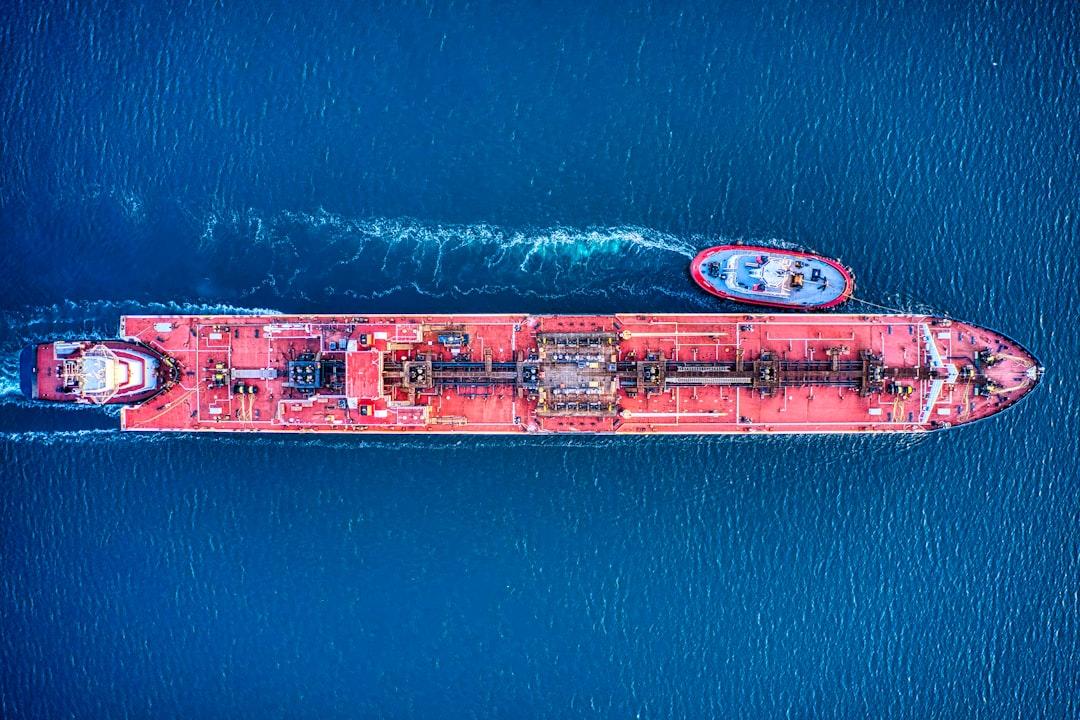
What does this mean for the energy landscape? LNG allows natural gas to be a global commodity, not a regional one. A gas field in Qatar or Australia can supply a power plant in Japan or Europe. That is a fundamental shift. It breaks the geographic monopoly of pipeline networks. It also introduces new vulnerabilities. A single liquefaction plant going offline can ripple through global prices. Storage terminals become strategic assets. Tanker routes become chokepoints.
The technology is mature. The developments over recent decades have been about scale and efficiency, not radical invention. Bigger plants. Bigger tankers. More precise temperature control. The basic chemistry has not changed. The economics have. As natural gas replaces coal in power generation, LNG demand has risen. As Europe weans itself off Russian pipeline gas, LNG terminals are being built at a rapid pace.
The hazards are known. The risks are managed. But the scale of the operation is enormous. A single LNG tanker carries enough energy to power a small city for a year. One mistake—a leak, a fire, a containment failure—and the consequences are catastrophic. The industry has a strong safety record, but the margin for error is thin. LNG is a powerful tool. It is not a forgiving one.