Supply chains are built for efficiency, not emergencies. The coronavirus outbreak exposed that gap in January 2020, and Malaysia’s rubber glove industry found itself on the front line.
On January 30, the Malaysian Rubber Glove Manufacturers Association reported a massive spike in international orders. Chinese authorities had sent urgent requests. Healthcare systems across Asia and Europe were scrambling. The World Health Organization had just acknowledged the outbreak. A standard manufacturing sector became a matter of national security overnight.
Malaysia was not a random player here. The country already dominated rubber glove production. That existing capacity, built for routine medical demand, was suddenly the only thing standing between hospitals and bare-handed infection. Denis Low, the association’s president, confirmed his members had already obliged Chinese requests and were ramping up production immediately.
The speed of the shift matters. This was not a gradual market adjustment. It was a crisis-driven surge. Orders did not trickle in. They spiked. The virus had already claimed victims outside China. Every day of delay meant more exposed medical workers, more transmission, more deaths. The industry had to pivot from normal business to wartime footing in hours.
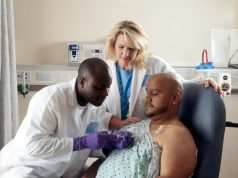
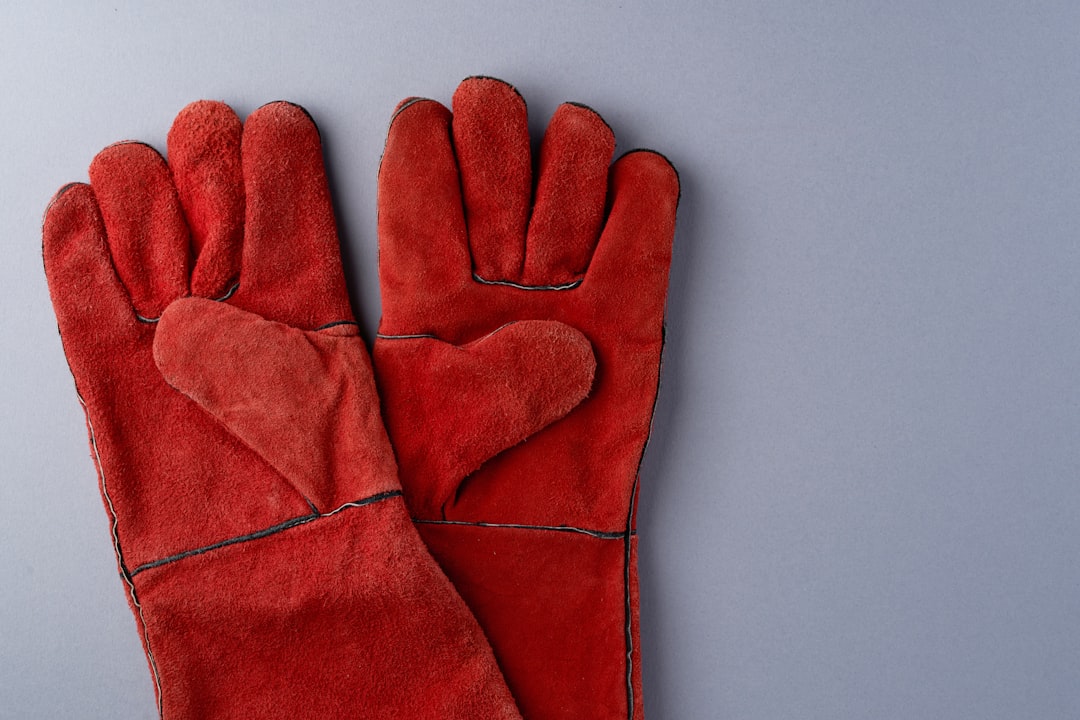
Nitrile and latex gloves became the priority. Not because they were the most complex piece of protective equipment. Because they were the most basic. The one thing every healthcare worker needed for every patient contact. Without them, infection control breaks down at the most fundamental level. Chinese authorities understood this. So did the Malaysian manufacturers.
The implications stretch beyond this single outbreak. Global medical supply chains have long been optimized for cost, not resilience. Production concentrates in a few countries. Malaysia holds a dominant position in gloves. China dominates masks and respirators. When a pandemic hits, that concentration becomes a vulnerability. Every country suddenly needs the same thing at the same time. There is no spare capacity.
Low’s statement carried an implicit acknowledgement of this reality. He spoke of the industry’s responsibility to ensure adequate gloves reach affected people and territories. That language — “responsibility,” “ensure,” “adequate” — is not typical business talk. It is the language of emergency response. The industry was no longer just selling product. It was managing a critical link in global health security.
The surge in orders will not flatten quickly. Even as Chinese production recovers, other countries are seeing their own outbreaks. Demand from Europe was already climbing. The virus was spreading across continents. Each new case cluster generates the same frantic procurement scramble that started in Wuhan. Malaysia’s factories will be running at maximum for months.
This event also raises hard questions about preparedness. The industry responded fast. But the fact that it had to respond at all — that no buffer existed, that the system relied on last-minute ramp-ups — reflects a deeper fragility. Global health security depends on manufacturing capacity that no single country can fully control. Malaysia’s dominance in gloves is an accident of industrial history, not a planned element of pandemic defense.
The outbreak transformed a quiet manufacturing sector into a frontline defense. That transformation was reactive, chaotic, and driven by sheer necessity. It worked this time. Whether the system holds under sustained pressure — or whether the next crisis finds the same vulnerabilities — remains an open question. The gloves are shipping. The factories are running. The orders keep coming.