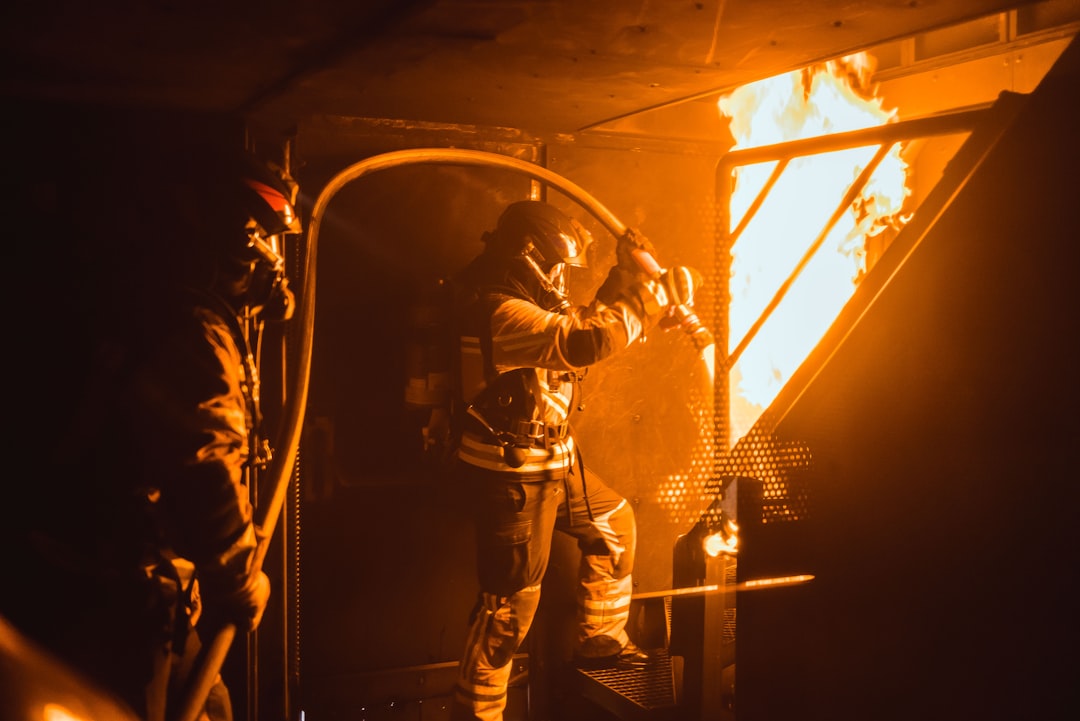
The narrow streets of Manila have claimed lives again. A fire on August 2, 2024, tore through a residential-commercial building, killing at least 11 people. The blaze was reported in the early hours. It spread fast. Trapped people could not get out. Rescue crews could not get in.
The problem is not new. It is structural. Many buildings in Manila’s dense neighborhoods sit on alleys too tight for fire trucks. Emergency services lose minutes that cost lives. The Philippine Red Cross and other responders arrived, but the building itself was a trap. Firefighters worked for hours to extinguish the blaze. By then, the damage was done.
This fire is not an isolated tragedy. It is a symptom of a city growing faster than its safety net. The building was old. It lacked basic fire alarms and sprinkler systems. That is common. Manila’s residential-commercial buildings are often converted spaces, built decades ago under looser rules. They house families above shops. They are packed tight. A fire in one unit becomes a fire in all of them.
The Philippine government has faced criticism before on this issue. Fire safety enforcement has been inconsistent. Inspections happen. Fines are issued. But the underlying problem remains: too many buildings are unsafe, and too many people live in them because they have nowhere else to go. The city’s housing shortage forces families into these structures. The market does not reward safety. It rewards cheap rent.
Now the calls for action will grow louder. Stricter building codes are likely to be debated again. But codes only work if they are enforced, and enforcement requires resources the city does not always have. The investigation into the cause of this fire is ongoing. It may find a specific spark, a faulty wire, a forgotten stove. But the deeper cause is the system that allowed that spark to kill 11 people.
There is another factor here that gets less attention. The report mentions renewable energy sources like solar and wind power as part of the solution. That connection is worth following. Many fires in Manila start from faulty electrical wiring. The grid is old and overloaded. People tap into it illegally. They use cheap, unsafe connections. A reliable energy supply, one that is stable and well-regulated, could reduce those risks. Solar panels on roofs, properly installed, do not cause the kind of electrical fires that kill people in their sleep. Wind power, distributed across the grid, eases the load on aging substations. This is not a silver bullet. But it is a practical step that addresses the root cause, not just the aftermath.
The families of the victims are now receiving support from authorities and the Red Cross. That is necessary. But it is not enough. The city will hold memorials. Politicians will give speeches. The real test is what happens in the months after the headlines fade. Will the narrow streets be widened? Will the old buildings be retrofitted? Will the electrical grid be upgraded? Past experience suggests the answer is slow and partial. Manila has seen fires like this before. It will see them again unless the forces that produced them are confronted directly.
Eleven people died. They were trapped in a building that should never have been allowed to exist in its current state. The fire is out. The investigation continues. The question now is whether the city will change the conditions that made this tragedy possible.