The crash site sits in the rugged north of Samangan Province, a place where power lines cross remote terrain. On May 21, 2023, an MD-530 helicopter hit those lines and went down. Two people died.
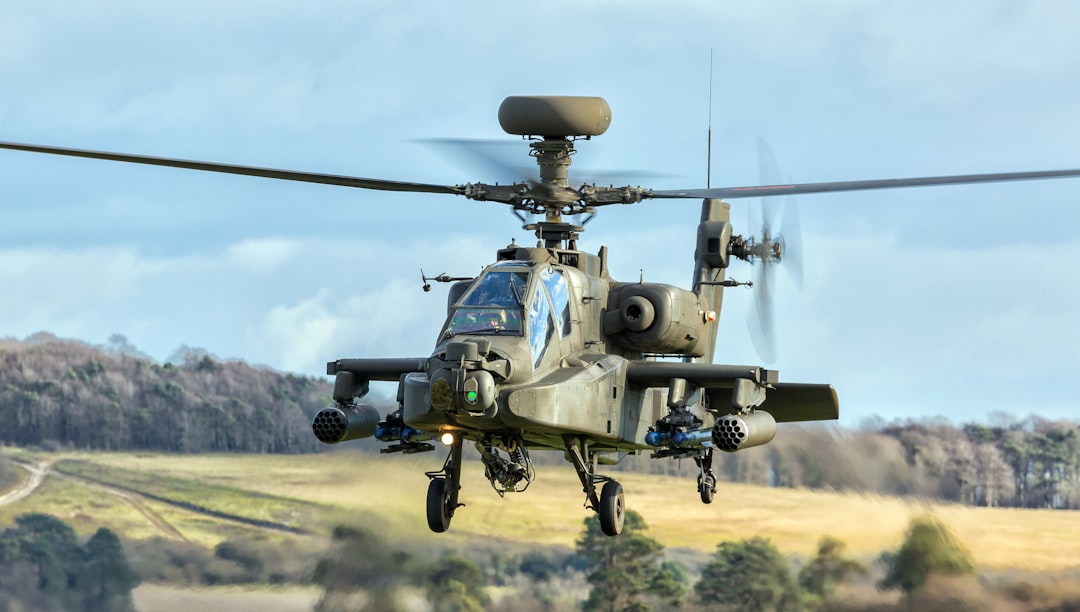
The aircraft is a lightweight, single-engine machine. It is used for military work, for civilian transport, for reconnaissance, for training. Its compact design makes it versatile. But versatile does not mean invincible. The MD-530 is not immune to accidents. This crash proves it.
What is at stake here is straightforward. Every helicopter flight in Afghanistan carries risk. The terrain is harsh. The infrastructure is limited. Power lines are not always marked or mapped with precision. A pilot can be doing everything right and still fly into a wire. That is what investigators will try to determine — whether maintenance, operation, or environmental factors caused this collision.
Samangan Province is a place where emergency responders face real obstacles. The region’s remote location and harsh climate make access to the crash site difficult. That slows recovery. It slows investigation. It slows the process of figuring out what went wrong and how to stop it from happening again.
Two dead. That is the number that matters. Two people who were alive that morning and gone by nightfall. The crash did not just destroy a helicopter. It ended two lives. It left families. It left questions.
The investigation will be critical. That is not a soft statement. It is a practical one. Without a thorough probe, the same conditions could produce the same outcome. A different pilot. A different day. A different province. Same result. The only way to prevent that is to know exactly what happened here.
This is not about abstract aviation safety. It is about wires strung across valleys. It is about aircraft that fly low and fast. It is about a province where the roads are bad and the mountains are steep. The stakes are concrete: the next time an MD-530 takes off in northern Afghanistan, the crew’s survival may depend on what investigators learn from this wreckage.
The helicopter itself is not the villain. It is a tool. A useful one. But tools fail when conditions align against them. Power lines are unforgiving. A rotor blade hitting a cable does not give second chances. The helicopter goes down. People die.
Local authorities are working to recover the wreckage. That work is slow. The terrain fights them. The climate fights them. But they push on because the wreckage holds answers. The metal and wiring and black box — if there is one — will tell the story that the two victims cannot.
This crash also raises a harder question. Why are power lines still a deadly hazard in 2023? The technology to mark them, to map them, to warn pilots exists. But it costs money. It requires coordination. In a place like Samangan Province, where infrastructure is already thin, those investments may not have been made. The dead pay the price for that gap.
Two lives lost. A helicopter reduced to scrap. A province left to dig through the wreckage. That is the event. The meaning of it will be decided by what happens next — by whether the investigation leads to changes, or whether it gets filed away and forgotten. The families of the two victims will be watching. So will every pilot who flies an MD-530 over Afghanistan.