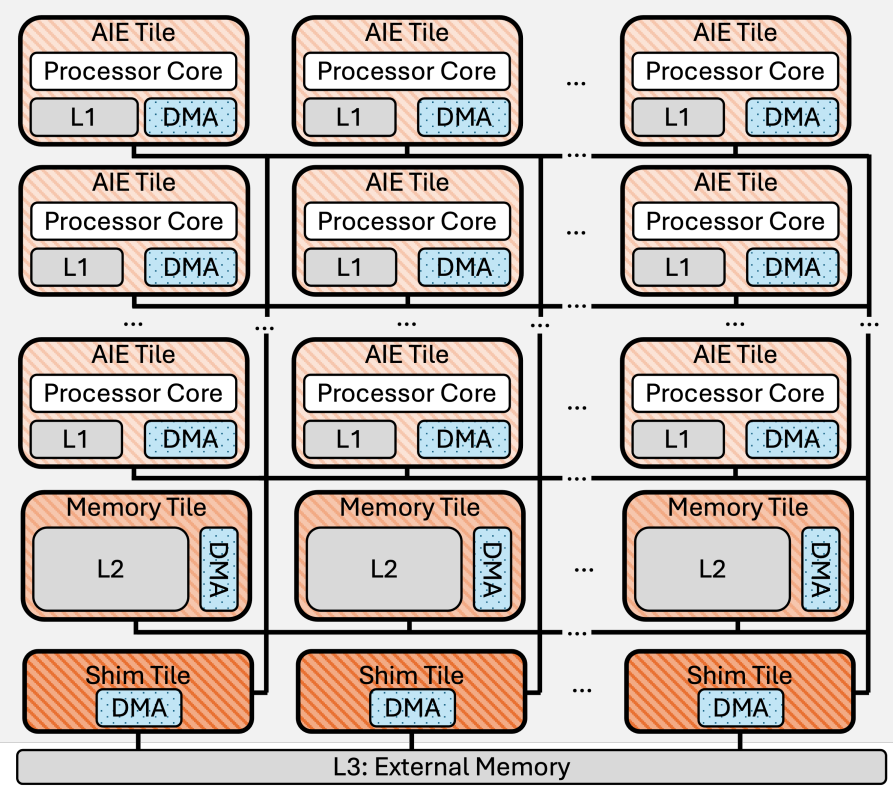
Microsoft took the wraps off a new category of Windows laptops on Monday, unveiling Copilot+ PCs that come equipped with dedicated artificial intelligence accelerators. The announcement marks the company’s most aggressive push yet to embed generative AI directly into personal computing hardware, moving the AI assistant from the cloud into the machine itself.
These new machines are the first Windows laptops designed from the ground up to run Microsoft’s Copilot chatbot locally. Copilot, which Microsoft launched in 2023 as a replacement for the discontinued Cortana, is built on OpenAI’s GPT-4 and GPT-5 large language models. Until now, users needed an internet connection to tap into its capabilities. With a dedicated AI accelerator chip built into the laptop, the company says key Copilot features will run directly on the device, reducing latency and allowing the assistant to work even when offline.
The move is a direct response to the rapid evolution of generative AI since Microsoft first introduced the service as Bing Chat in February 2023. Over the course of that year, the company unified its various chatbot products under the Copilot brand, cementing the “copilot” analogy for an AI that works alongside the user. At its Build 2023 conference, Microsoft announced plans to integrate Copilot into Windows 11, giving users access through the taskbar. Monday’s hardware announcement is the next logical step: putting the AI brain inside the computer itself.
What makes the Copilot+ PCs different from earlier Windows laptops is that dedicated neural processing unit, or NPU. This specialized chip is designed to handle the mathematical heavy lifting required by large language models without draining the battery or slowing down the main processor. For developers and early adopters, this means AI features that previously required a round trip to Microsoft’s cloud servers can now happen instantly on the laptop. The company is betting that this local processing will make Copilot feel more responsive and more deeply integrated into daily computing tasks.
The timing is significant. Microsoft is racing against competitors like Google and Apple, both of whom have been embedding AI features into their own hardware and operating systems. By putting a dedicated AI accelerator into a mainstream Windows laptop, Microsoft is signaling that generative AI is no longer a cloud-only novelty but a core part of the personal computer experience. The company is essentially trying to make AI as fundamental to a laptop as the keyboard or the screen.
For users, the practical payoff could be substantial. A local Copilot that doesn’t require an internet connection means the assistant can help with writing, coding, or summarizing documents anywhere — on a plane, in a coffee shop with spotty Wi-Fi, or in a secure office that restricts cloud access. It also raises the possibility of more sophisticated AI features that respond in real time, since the data doesn’t have to travel to a distant server and back.
Microsoft’s bet on dedicated AI hardware is a bet on a future where the computer doesn’t just run applications — it actively assists the person using it. With Copilot+ PCs, the company is putting that assistant right inside the machine, ready to work whether you’re connected to the internet or not. The race to embed artificial intelligence into everyday computing just got a new leader, and the machines that arrive in stores later this year will show whether that bet pays off.