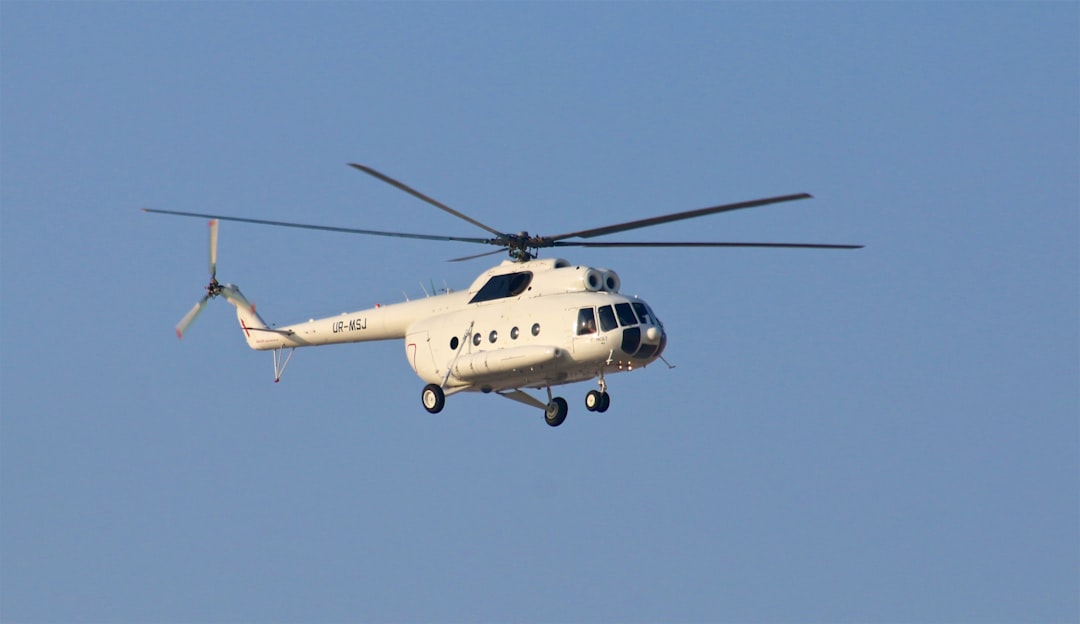
The crash of a military helicopter in Canelas Municipality, Durango, on October 13, 2023, killed three people. The accident is now part of a grim ledger. Military helicopters crash with a frequency that demands attention, not just in Mexico but globally. The reasons are rarely simple. They are a tangle of mechanical failure, human error, weather, and the extreme conditions these machines are pushed into.
This particular aircraft went down in a rural, mountainous region. Canelas is not a place where you can land a car to help. The terrain itself becomes an enemy. When a helicopter fails there, the response is slow, the wreckage is scattered, and the cause of the failure is often buried in mangled metal. Investigators will now sift through that wreckage. They will look at the flight data recorder. They will interview the survivors, if any. They will reconstruct the last moments.
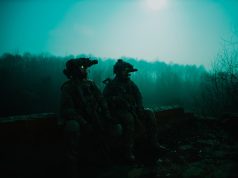
But the pattern is known. Military helicopters are not passenger buses. They are built for specific missions. Some are designed for airlift, others for combat search and rescue. Some are armed for close air support. Every one of them is a compromise between weight, power, and survivability. They fly low. They fly fast. They fly into bad weather and bad situations. That is the job.
The crew members who operate these aircraft undergo rigorous training. They are supposed to know the machine’s limits. But a helicopter is a complex machine. It has thousands of moving parts. A single rotor blade failure, a gearbox seizure, a fuel system contamination — any of these can turn a routine flight into a falling piece of metal. The report notes that accidents can occur despite precautions. That is the cold truth. Precautions reduce risk. They do not eliminate it.
This crash is a sobering reminder. That phrase is used often, but it is accurate. The risks are real. The personnel who fly these missions accept that risk. Their families accept it. The military accepts it as a cost of operations. But each accident forces a reexamination. Was the maintenance schedule followed? Was the pilot fatigued? Was the weather briefing accurate? These questions will be asked.
The investigation will likely take months. It will produce a report. That report will list causes. It will make recommendations. Some recommendations will be implemented. Others will be filed away. The next crash will happen somewhere else, under different circumstances, and the cycle will repeat. That is not cynicism. It is the history of military aviation.
Helicopters are invaluable for operations. They are also unforgiving. The crash in Durango is one data point in a long series. Three people are dead. Their mission ended in a hillside. The cause is unclear now. It will become clearer. But the fundamental truth will not change: when a machine that fights gravity fails, gravity wins.