The earthquake that struck Myanmar on March 28, 2025, did more than shake the ground. It tore a hole through a symbol of the nation’s modern history. The partial collapse of the Ava Bridge in Mandalay Region is not just a transportation crisis. It is a fracture in the country’s physical memory.
The Ava Bridge was built in 1934 by the British. It was destroyed during World War II and rebuilt in 1954, after Burmese independence. For decades, it was the only bridge across the Irrawaddy River. That fact alone shaped the movement of people and goods across central Myanmar. Without it, communities on either side of the river relied on ferries, or simply did not cross. The bridge connected Ava and Sagaing. It connected lives.
That era ended, in practical terms, years ago. The Irrawaddy Bridge, completed in 2008, now carries much of the traffic. Newer spans handle the weight of modern commerce. But the Ava Bridge remained a landmark. It was a physical link to a past that included colonial rule, war, and reconstruction. Its partial collapse now forces a question: what does a country lose when a historic structure falls, even one that has been partly replaced?
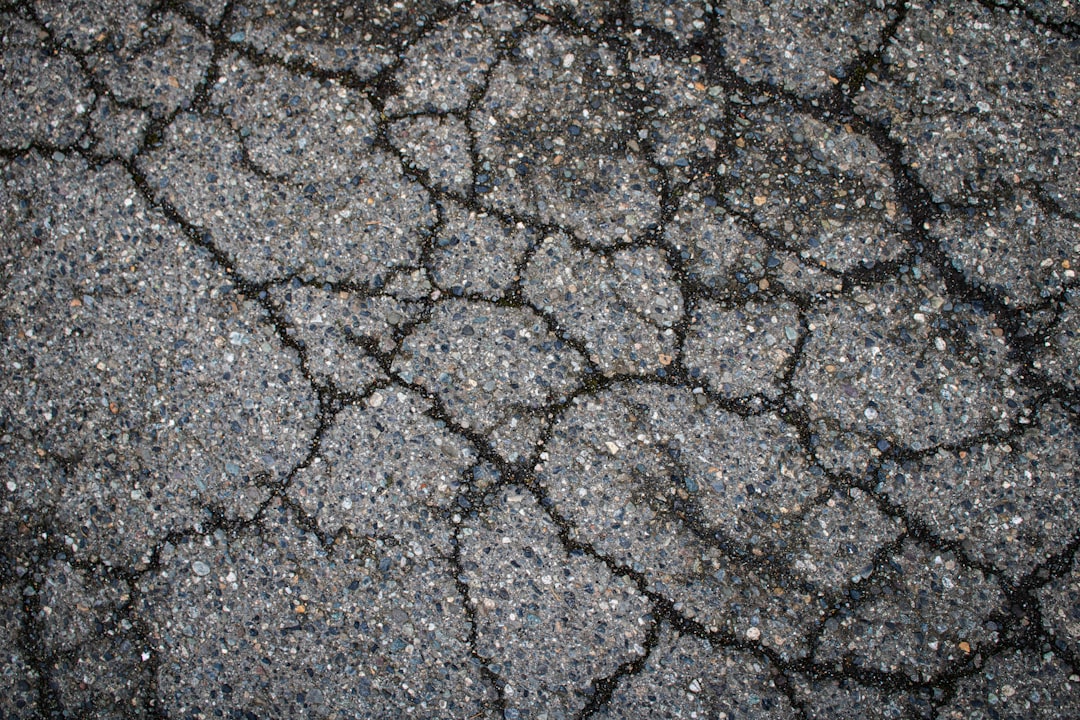
The answer is not sentimental. It is practical. The earthquake caused severe ground cracks around the bridge. Those cracks in the soil are not a minor detail. They indicate that the ground itself has shifted, potentially destabilizing the entire area. Any reconstruction will require more than new steel and concrete. It will require geological assessment, soil stabilization, and careful planning. That takes time. It takes money. Myanmar, already strained by political and economic turmoil, may struggle to find both.
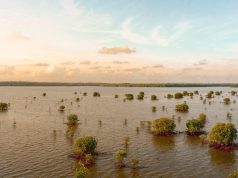
Then there is the environmental risk. The Irrawaddy River is the lifeblood of the region. It supplies water for drinking, farming, and fishing. A collapsed bridge means debris in the water. It means potential pollution from fuel, oil, and construction materials that were on the bridge or nearby. The report notes that initial assessments point to a risk of pollution. That is a quiet disaster alongside the visible one. Cleanup efforts must prioritize the river, or the damage will spread far beyond the bridge site.
Rescue and recovery are just beginning. The immediate focus is on people. But the longer-term work will test the country’s capacity. The Ava Bridge was a product of empire, then of independence, then of war, then of rebuilding. Each phase of its history was hard. The next phase will be no easier.
The earthquake exposed a vulnerability that no amount of new infrastructure can fully erase. Ground cracks, soil shifts, and structural failures do not respect heritage or sentiment. They follow the physics of seismic force. The Ava Bridge, for all its history, is a steel-and-concrete structure that met a force it could not withstand. That is the blunt reality.
For now, the bridge sits partially collapsed, a jagged interruption in the landscape. It is a landmark no longer. It is a problem. What happens next will say a great deal about Myanmar’s priorities. Will the bridge be rebuilt as a monument? Or will it be dismantled, its history carted away in pieces? The answer will come slowly, shaped by money, politics, and the silent pressure of the ground beneath it.