A grim milestone as death toll surpasses SARS figures in China
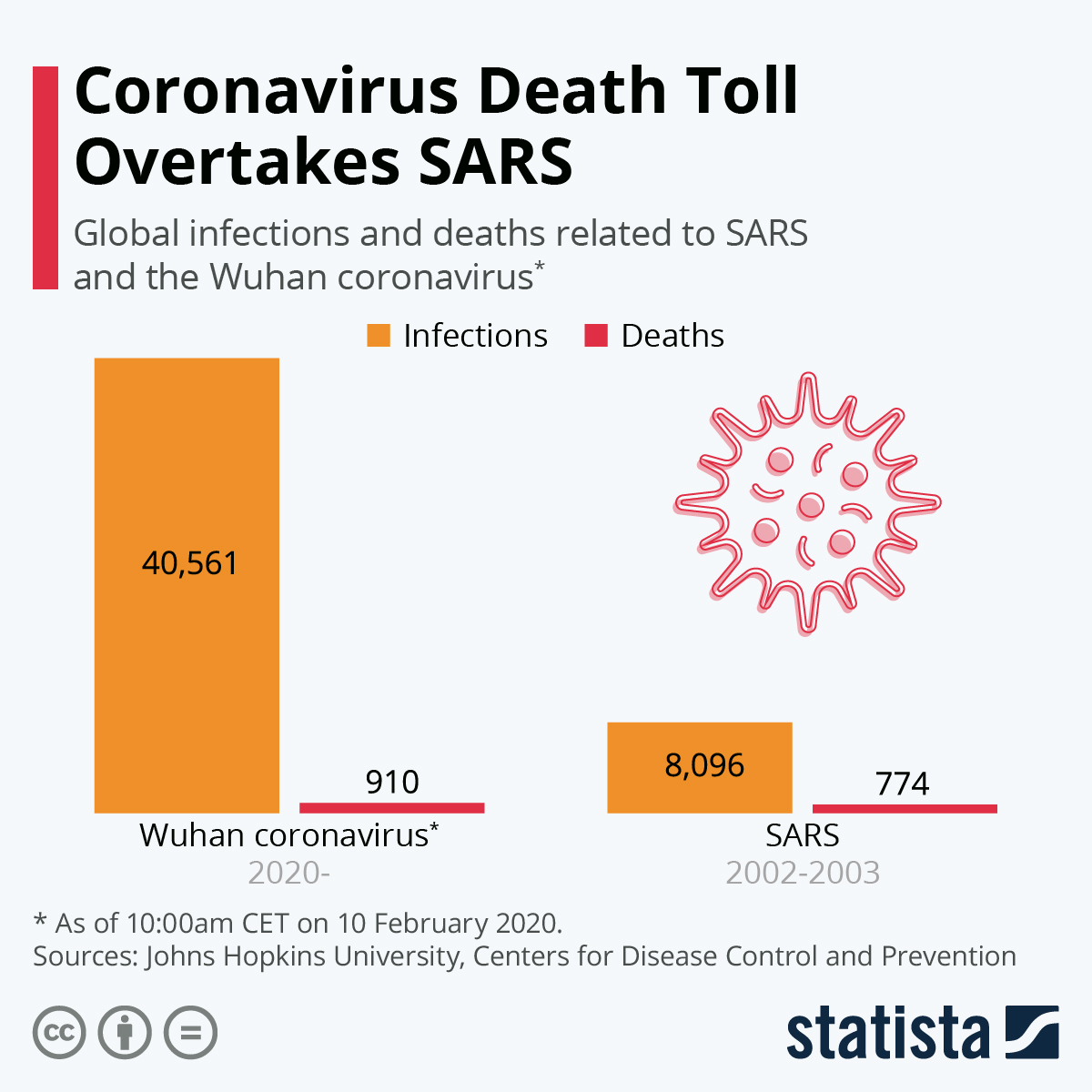
The novel coronavirus outbreak has reached a terrifying threshold, with fatalities in mainland China climbing past the historic death count of the Severe Acute Respiratory Syndrome pandemic from the early 2000s. As of February 11, official reports indicated that at least 1,016 people had died from the virus within China alone. This figure starkly contrasts with the SARS outbreak, which claimed the lives of 774 individuals and infected over 8,000 across China and Hong Kong. The surge in mortality was particularly acute on February 10, when authorities recorded a single-day toll of 108 new deaths. Meanwhile, the National Health Commission confirmed that the infection had spread globally, affecting more than 42,000 individuals in various countries. Faced with this accelerating crisis, health officials and medical experts are urging decisive government action while reminding the public to strictly adhere to established prevention protocols to slow the transmission of the pathogen.
Medical educators highlight the mechanism of viral lethality
Amidst the rising panic and uncertainty, independent medical channels have stepped forward to provide clear, accessible information regarding the virus. The YouTube channel MedCram, founded by professional doctors and trusted by thousands of medical students and clinicians worldwide, has published a series of fourteen videos dedicated to the nCov. With over 20 million video views, the platform aims to demystify complex medical concepts for the general public. In their initial analysis, Dr. Roger Seheult, MedCram’s co-founder and an Associate Clinical Professor at the University of California and Loma Linda University, use a virtual illustration of a tree to explain how the virus kills. His explanation drew upon recent data from the Lancet, noting that among 41 patients admitted to hospitals during the early stages of the outbreak, six succumbed to the disease.
Dr. Seheult emphasized that these fatalities were not due to the initial infection alone but rather a secondary complication known as Acute respiratory distress syndrome, or ARDS. He stated, “There’s a recent article in the Lancet that showed that of 41 people that were admitted to the hospital, six of them died. And all of them were on ventilators and they died with something called ARDS (Acute respiratory distress syndrome), and ARDS is how the coronavirus kills.” This insight show the critical need for proper ventilation support and intensive care, highlighting that the virus itself does not always kill directly but rather triggers a catastrophic immune response that damages the lungs.
Hospital infections expose systemic vulnerabilities in China’s healthcare system
The MedCram team also addressed the alarming issue of nosocomial infections, or hospital-acquired infections, which have become a significant concern during this outbreak. Dr. Seheult pointed out that several individuals and health staff in China became infected only after visiting hospitals designated for coronavirus patients. He noted that 57 patients did not arrive at the hospital with the virus but contracted it within the facility. Furthermore, healthcare workers who entered these facilities without prior infection also picked up the virus while caring for sick patients.
This pattern of internal transmission suggests a failure in containment protocols and protective measures within China’s medical infrastructure. Dr. Seheult explained, “A total of 57 were patients who did not come to hospital with virus but picked it up there… There were health workers who went to work without coronavirus and picked it up taking care of patients at the hospital.” These incidents reveal a dangerous environment where infection control measures are insufficient to protect either the vulnerable or the medical staff. The fact that such infections are occurring in dedicated hospitals built specifically for this purpose indicates a systemic inability to manage the spread of the virus effectively, raising serious questions about the safety standards and operational readiness of the Chinese health system under the current crisis.
Strict hygiene and protective gear remain essential defense lines
In response to these findings, medical authorities have reiterated the importance of rigorous hygiene practices and the use of appropriate personal protective equipment. Dr. Seheult stressed that frequent handwashing with soap for at least 20 seconds, or while singing the Happy Birthday song twice, is a fundamental step in preventing transmission. Beyond simple hygiene, the proper use of masks is critical for both patients and healthcare workers. He advised that if a person is suspected of having the coronavirus, they should wear a regular surgical mask in addition to an N95 mask. For healthcare workers examining such individuals, the recommendation is even stricter, requiring the use of N95 masks and eyewear protection.
These guidelines are not merely suggestions but vital necessities in a situation where the virus spreads rapidly through close contact and aerosolized droplets. The failure to adhere to these standards within hospitals has led to unnecessary deaths and infections among those who should be safe from the disease. The infrastructure of China’s new dedicated hospital, while intended to prevent cross-infection with other people, has unfortunately proven inadequate in stopping the virus from moving between patients and staff. As the situation evolves, the world watches closely to see if these medical communities can implement the necessary changes to stop the hemorrhage of life caused by this deadly respiratory illness.