Military analysts and strategic specialists are offering a technical assessment of the latest phase in the conflict in Ukraine, following confirmation from NATO that a new Russian offensive is underway. The assessment is based on observed force deployments and tactical engagements across multiple sectors of the front line.
NATO Confirms Offensive; Technical Analysis of Force Movements
NATO Secretary-General Jens Stoltenberg, addressing reporters in Brussels, confirmed that a massive new Russian offensive has begun. “As the beginning of a new offensive. We can see that they are sending additional troops, weapons, and capabilities,” Stoltenberg said. This statement aligns with local reports from Ukrainian military officials who warned on Monday that defenders, who have already held out for months, were preparing for fresh ground assaults. The timing of the offensive comes days before the first anniversary of Moscow’s full-scale invasion.
Specialists examining the operational picture note that heavy artillery bombardment is being directed at the eastern Ukrainian city of Bakhmut. The Russian defense ministry claimed, without providing further details, that its troops had advanced a few kilometers along the frontlines. Mercenaries from the Wagner group have been leading the Russian attack on Bakhmut and have made slow but steady progress. Analysts point to the repeated Russian bombardments as a key factor that has made the situation there much worse for Ukrainian defenders.
Frontline Engagements: Specific Locations and Tactical Reports
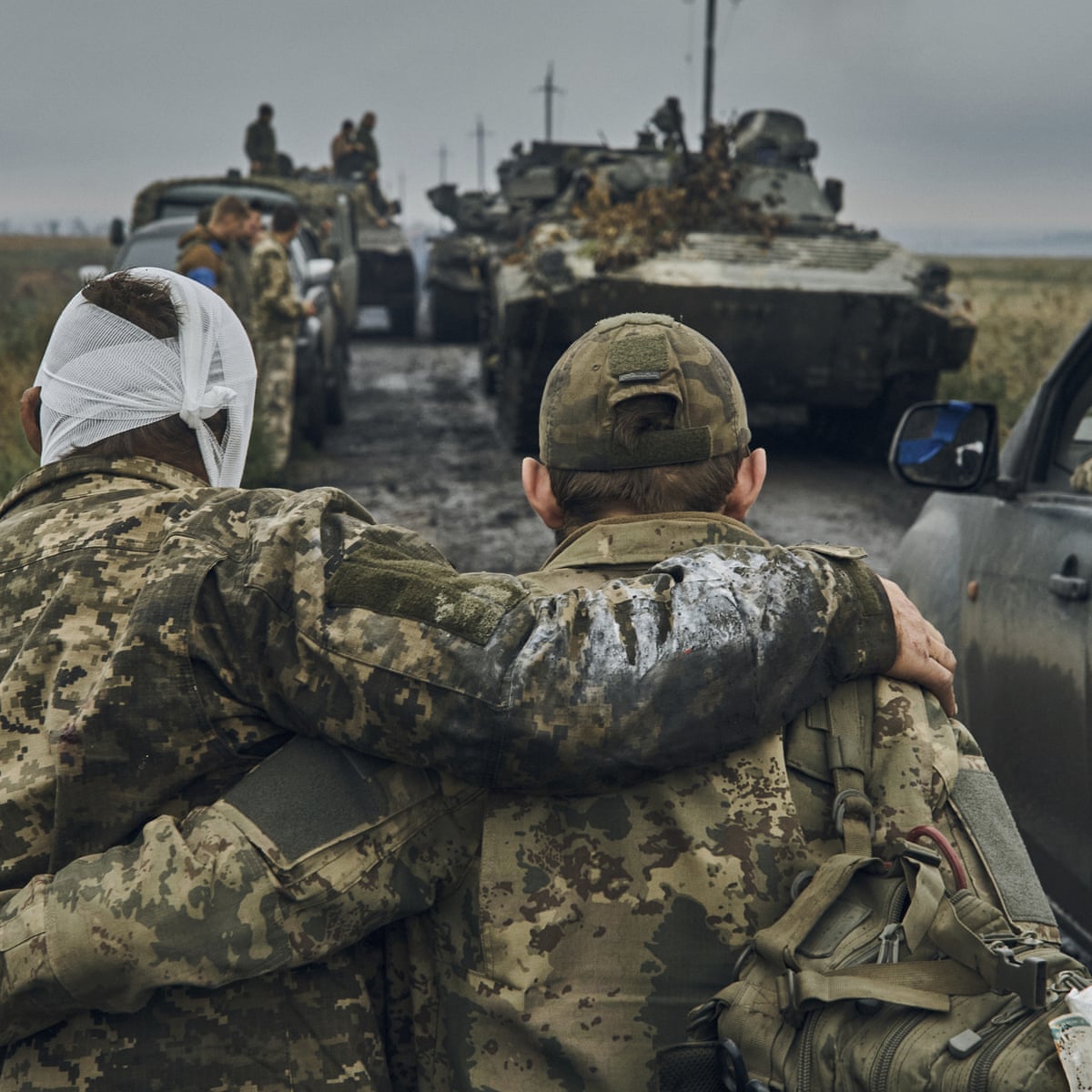
The general staff of the Ukrainian armed forces reported on Tuesday that Ukrainian forces had successfully resisted Russian attacks in specific locations. These included one hamlet in the Kharkiv region, approximately five locations in the Luhansk region, and six locations in the Donetsk region, including one in the Bakhmut area. Military specialists note that these defensive successes, while localized, indicate that Ukrainian forces are maintaining defensive lines despite the increased pressure.
Pavlo Kyrylenko, the governor of the Donetsk region, provided a technical assessment of the security situation in Bakhmut. “There is not a single square meter in Bakhmut that is safe. And is not in range of enemy fire or drones,” Kyrylenko stated. Only those in military roles are permitted to enter Bakhmut’s entrenched positions. A deputy battalion commander stated on Monday that any people who wished to continue leaving the city would have to endure the approaching fire.
Strategic Objectives: The Donbas and Russian Priorities
From a strategic analysis perspective, specialists identify the capture of Bakhmut as a top priority for Russian President Vladimir Putin. Doing so would give Russia a foothold in the Donetsk region and a rare triumph after months of defeats. The Donbas—comprising the Donetsk and Luhansk regions—is the industrial center of Ukraine and is currently partially under Russian control. Analysts view this offensive as a concentrated effort to secure territorial gains in this critical area.
Looking ahead, military observers will be watching for several indicators: the rate of Russian troop and equipment arrivals along the front, the ability of Ukrainian forces to maintain defensive positions in Bakhmut and surrounding areas, and any shifts in the tactical situation in the Kharkiv, Luhansk, and Donetsk regions. The coming weeks will provide further data on whether the current offensive can achieve its stated operational objectives or if it will be contained by Ukrainian defensive operations.