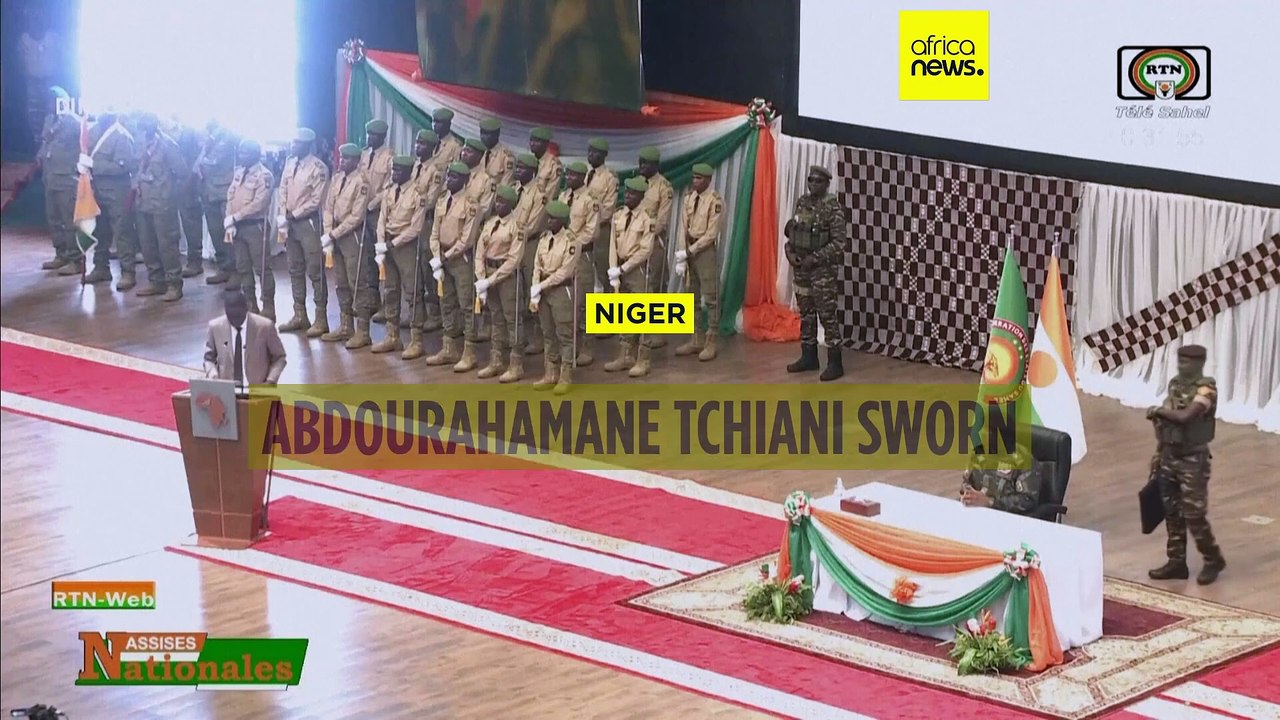
A significant development has occurred in the West African nation of Niger, where a coup d’état took place on 26 July 2023. On this day, the country’s presidential guard detained President Mohamed Bazoum, marking a dramatic turn of events in the country’s political landscape. The detention of the president was swiftly followed by the proclamation of General Abdourahamane Tchiani, the commander of the Presidential Guard, as the leader of a new military junta. This move confirmed the success of the coup, which has sent shockwaves throughout the region and beyond.
The coup d’état in Niger is notable for being the fifth such event in the country’s history since it gained independence from France in 1960. Furthermore, it is the first military coup to occur in Niger since 2010, underscoring the instability that has characterized the country’s political trajectory over the years. The fact that the presidential guard, tasked with protecting the president, was involved in his detention highlights the deep-seated issues within the country’s security apparatus and the challenges it faces in maintaining stability and upholding democratic principles.
The international community has been quick to respond to the coup, with both the United States and France condemning the actions of the military junta. These countries have historically had significant interests and influence in the region and have been vocal about their support for democratic governance and the rule of law. The condemnation from these global powers sets the stage for potential diplomatic and economic repercussions for the new junta, which may face isolation and sanctions in the coming days.
In addition to the responses from the United States and France, the West African regional bloc ECOWAS (Economic Community of West African States) has also denounced the coup. ECOWAS has been at the forefront of regional efforts to promote democracy, stability, and economic integration among its member states. The bloc’s threat of military intervention against the junta is a significant development, as it suggests that the regional community is prepared to take robust action to restore democratic order in Niger. This stance by ECOWAS reflects the broader commitment of the international community to uphold democratic principles and prevent the proliferation of military takeovers in the region.
The situation in Niger is complex and multifaceted, with various stakeholders and interests at play. As the country navigates this critical juncture, it is essential to consider the historical context and the underlying factors that have contributed to the current state of affairs. The coup and its aftermath will undoubtedly have far-reaching implications for Niger’s political, economic, and social landscape, as well as for regional stability and global geopolitical dynamics.
Looking ahead, the coming days and weeks will be crucial in determining the trajectory of events in Niger. The international community, particularly ECOWAS, will be closely watched for its next moves, including the potential for military intervention. Meanwhile, the new military junta, led by General Abdourahamane Tchiani, will face significant challenges in establishing legitimacy and navigating the complex web of international relations. As the situation continues to unfold, it is imperative to remain informed about developments on the ground and to consider the diverse perspectives and interests that are shaping the outcome of this critical event.