When Nikos Androulakis stepped down from the European Parliament in May 2023 to run in Greece’s legislative election, a vacancy opened up. The seat needed filling. PASOK turned to Nikos Papandreou.
This is not a simple story of a replacement MEP. It is the story of a man with a resume that spans Greek politics, business, cultural commentary, and fiction writing, now taking a seat in Brussels. Papandreou’s path to the European Parliament is unusual. Most MEPs arrive after years in domestic party machinery or local government. Papandreou arrives as a writer and businessman who also happens to be a political figure.
The timing matters. The 2023 Greek legislative election was a pivotal moment for the country. It reshaped the political landscape. Androulakis, the outgoing MEP, chose to leave the European Parliament to compete in that election. That choice created the chain of events that placed Papandreou in office. It is a reminder that European Parliament seats are often treated as pieces on a larger domestic chessboard.
Papandreou’s party, PASOK, has a significant footprint in Greek politics. It governed Greece for much of the post-1974 period. It has been through collapses and comebacks. Now it sends Papandreou to represent it in the European Parliament. His background as a businessman and cultural commentator will be tested in committees dealing with trade, culture, and education. Those are not minor portfolios. Trade policy alone shapes the daily lives of Greek farmers, shippers, and manufacturers. Cultural policy touches on everything from film funding to digital heritage.
His writing career also sets him apart. Most MEPs produce position papers and press releases. Papandreou has produced novels and cultural criticism. That background may give him a different lens on the work. The European Parliament is a debating chamber, a law-making body, and a platform. A writer might find all three functions familiar.
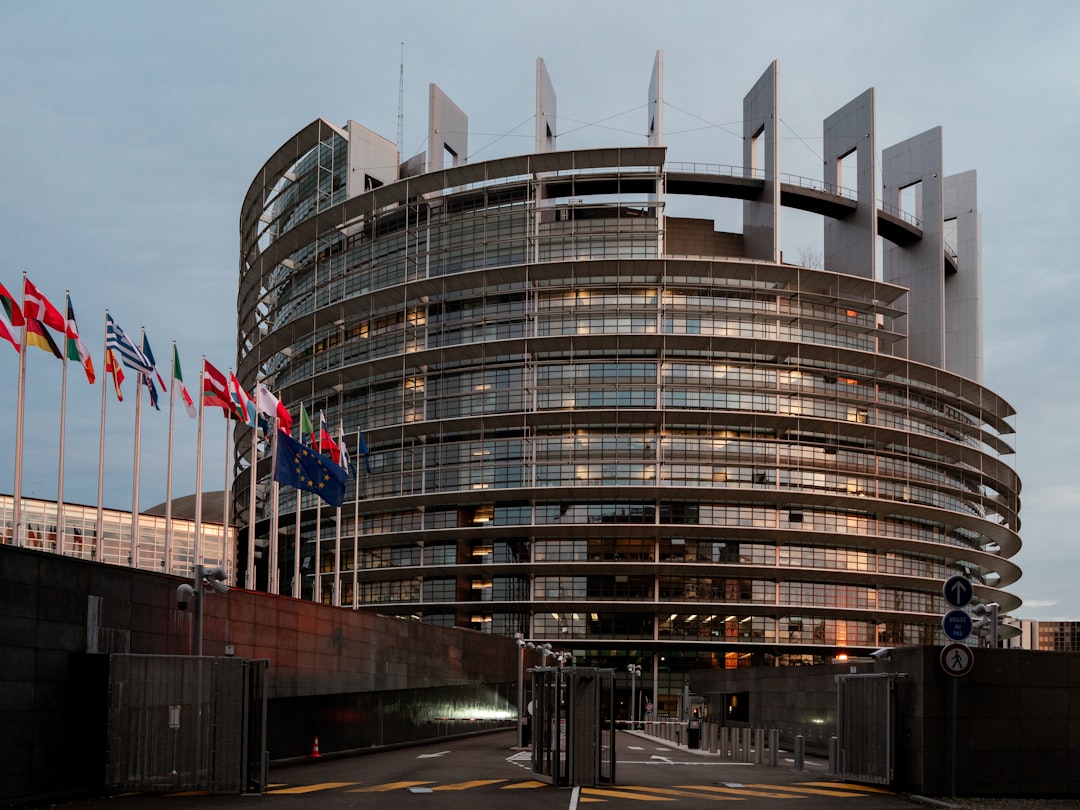
The European Parliament itself is not a ceremonial institution. It co-decides on EU laws covering migration, climate targets, digital regulation, and agricultural subsidies. Papandreou will have a vote on those issues. His experience as a businessman could prove relevant when the Parliament debates economic policy or trade agreements. His work as a cultural commentator might inform discussions on media freedom, education standards, and cultural heritage funding.
Greece’s economic recovery remains fragile. Tourism-dependent regions still feel the aftershocks of the pandemic. The European Parliament’s decisions on recovery funds and budget rules will affect those regions directly. Papandreou will be one of Greece’s voices in those debates.
His appointment also highlights the fluid nature of political careers. A resignation in Athens creates a job in Brussels. A legislative election in Greece reshapes the European Parliament delegation. The two levels of government are not separate. They are connected by decisions made by individuals like Androulakis and Papandreou.
Papandreou now faces the standard challenge for any new MEP: learning the institution’s rhythms, building alliances, and finding his footing on policy dossiers. He will do so as a representative of PASOK, a party that has seen its share of Europe-wide influence. He will also do so as a writer and businessman stepping into a political arena that rewards persistence and patience.
The European Parliament session runs through 2024. Papandreou has time to make his mark. How he uses that time will depend on how well he translates his varied background into legislative work. Brussels is full of politicians. It has fewer novelists and entrepreneurs. That alone makes his arrival worth watching.