The empty seat in North Dakota’s state senate chamber will be the first, most immediate consequence of last week’s crash in Utah. Doug Larsen, the Republican senator from District 39, died alongside his family when their plane went down in Grand County on October 1. The state’s Republican Party now must name a replacement. That process, governed by state law, starts with a party vacancy committee. It will happen fast, but the hole left in the community will not fill as quickly.
Larsen was not a career politician. He was a small-business owner, a former mayor of Mandan, a man who drove a truck and ran a heating and cooling company. His district covers part of Morton County, the heart of North Dakota’s energy country. The Bakken oil fields sit just west. The coal mines and power plants are close. Larsen represented a constituency that lives with the daily realities of fossil fuel extraction — the truck traffic, the boom-and-bust cycles, the dust. His voice in Bismarck mattered on energy policy, on property taxes, on rural infrastructure. That voice is gone.
North Dakota holds just under 800,000 people. It is the fourth-least populous state in the country. In a state that small, a state senator is not a distant figure. He is the guy at the coffee shop, the neighbor who shovels your walk, the father dropping kids at school. Larsen and his family were returning from Utah when the crash happened. The loss touches everyone who knew them, and in a state of 800,000, that circle is wide.
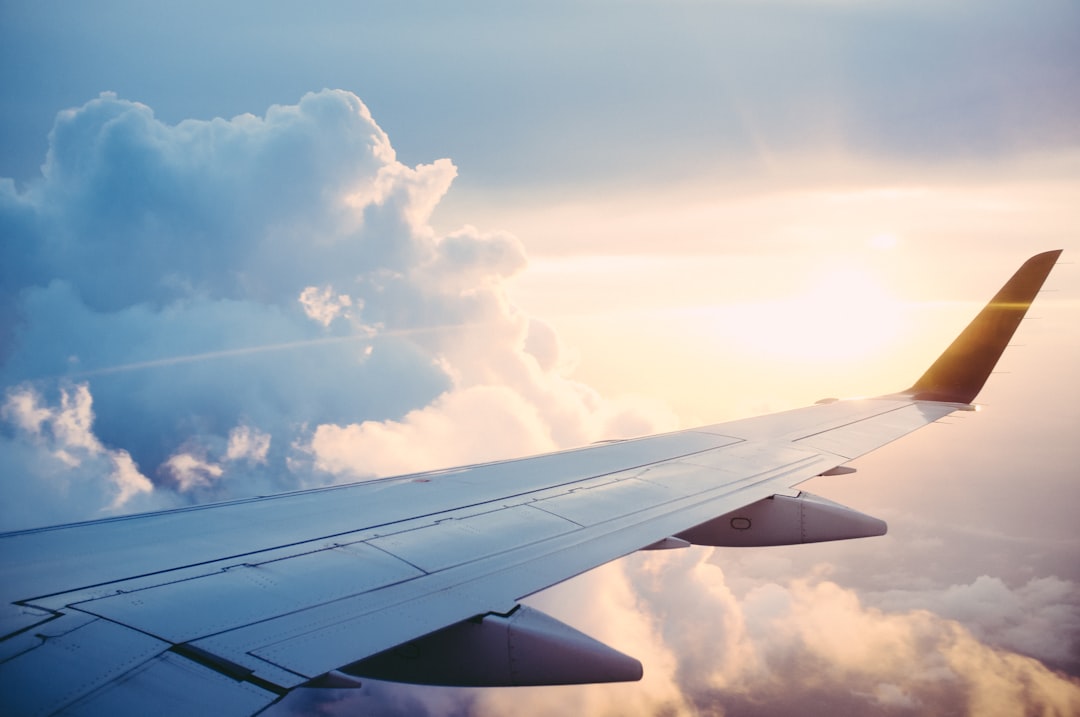
The crash also pulls attention back to a hard reality: general aviation accidents are not rare. Small planes fly into remote terrain every day. Grand County, Utah, is rugged country. The investigation will take weeks. The National Transportation Safety Board will look at weather, mechanical failure, pilot experience. North Dakota’s congressional delegation will likely push for answers. But the immediate effect is grief, not policy.
There is another layer. Larsen’s district sits in a region that is central to the state’s economic identity. North Dakota produces oil, natural gas, and coal. It also has growing wind and solar capacity. The state is trying to balance extraction with renewable investment. Larsen understood that balance because he lived it. His replacement will inherit a seat that sits at the intersection of energy jobs and environmental pressure. Whoever takes the seat will face the same questions Larsen did: how to keep the economy moving while the country shifts toward cleaner power.
The state’s small population means every legislator carries weight. A single senator can shape a committee, kill a bill, push a tax break. Larsen’s absence shifts the math in the Republican caucus. Not dramatically — the GOP holds a supermajority. But the personal relationships, the institutional knowledge, the trust built over years — that cannot be replaced by a vote tally.
Funeral arrangements are pending. The governor will order flags lowered. The senate will pass a resolution. Then the work of filling the seat begins. North Dakota will mourn, and then it will move on. That is how small states work. The community closes ranks. The natural beauty Larsen helped protect — the prairies, the badlands, the open sky — will still be there. But the man who stood for that district is gone, and the consequences of that loss will unfold in committee rooms and county board meetings for months to come.