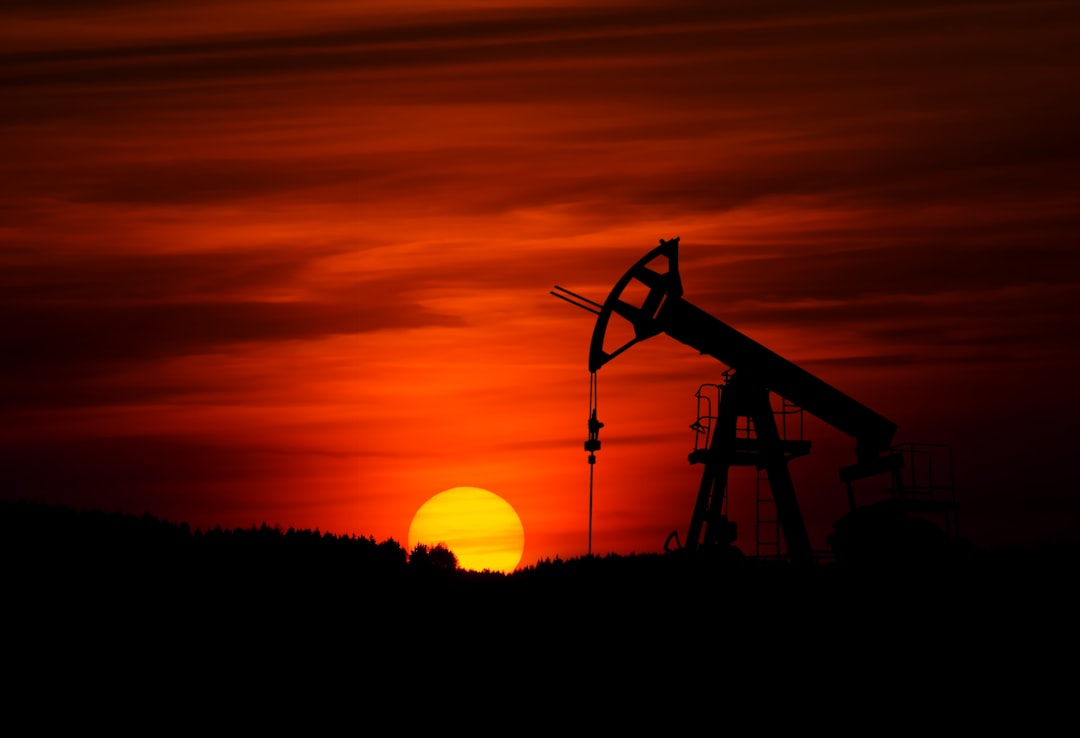
The spike in oil prices after the killing of Iranian General Qasem Soleimani was felt first at the pump. On January 6, U.S. crude settled at $62.95 a barrel, down 32 cents from the session high. Brent crude futures hit $70.74 at one point before closing at $68.91. For traders, those numbers were the immediate story. For the broader economy, the real question is what happens next.
The Strait of Hormuz is the choke point. About 20% of the world’s oil supply moves through it. Iran has threatened to disrupt that shipping. The U.S. Navy is there. President Donald Trump warned of “major retaliation” if Iran attacks American assets. That is the standoff that drove crude prices up on January 6, and it is the standoff that keeps markets nervous.
Gold climbed as much as 2.3% to $1,588.13 per ounce. That is a seven-year high. Investors fled to the safe-haven metal. That is what happens when confidence cracks. The new year started with a bang, said Fawad Razaqzada, technical analyst at Forex.com. He was talking about volatility. Volatility means uncertainty, and uncertainty costs money.
Stock markets took the hit first. Asian shares dropped on January 6. Japan’s Nikkei 225 fell 1.9%. Hong Kong’s Hang Seng lost 0.8%. European indexes followed. The FTSE 100 was down 0.6%. Germany’s DAX fell 0.7%. Wall Street opened lower but recovered by the close. The Dow Jones Industrial Average erased its early losses. That recovery does not mean the danger passed. It means traders are still guessing.
The timing is ugly. A U.S.-China trade deal was expected. That deal would have stabilized things. Now the crisis has disrupted investor confidence. The market was already on edge. The killing of Soleimani on January 3 pushed it over.
What to watch next is Iran’s response. Retaliation could take many forms. A direct military strike is one. Cyberattacks are another. Disruption of oil shipping through the Strait of Hormuz is the one that hits the global economy hardest. The U.S. Navy maintains a presence in the region. Any conflict there would spike oil prices further. That would ripple through supply chains. It would hit consumers at the gas station. It would slow economic growth.
For now, the markets are watching. Gold is up. Oil is up. Equities are shaky. The trade deal with China is on hold. The world market is on edge. That is not a headline. It is a fact of life for investors, for businesses, for anyone who buys fuel or owns stocks.
The crisis is not over. It is unfolding. The next move belongs to Iran. The market will react. The consequences will spread. That is the story now.