Pakistan is a country built on a knife edge. The same geography that gives it the world’s second-highest peak, K2, also channels monsoon rains into chutes of death. This week, 36 people are dead, 50 more injured, and landslides have torn through mountain communities. It is a familiar script. The script is not changing.
Look at the numbers. A population of 241.5 million. A capital, Islamabad, wedged against the Margalla Hills. A financial hub, Karachi, sprawling on the Arabian Sea coast. When heavy rain hits, those cities do not just get wet. They get cut off. Roads wash out. Bridges buckle. Communication lines go dead. The government has to scramble its military just to reach its own citizens.
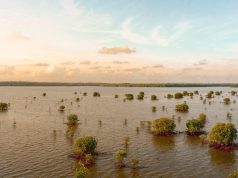
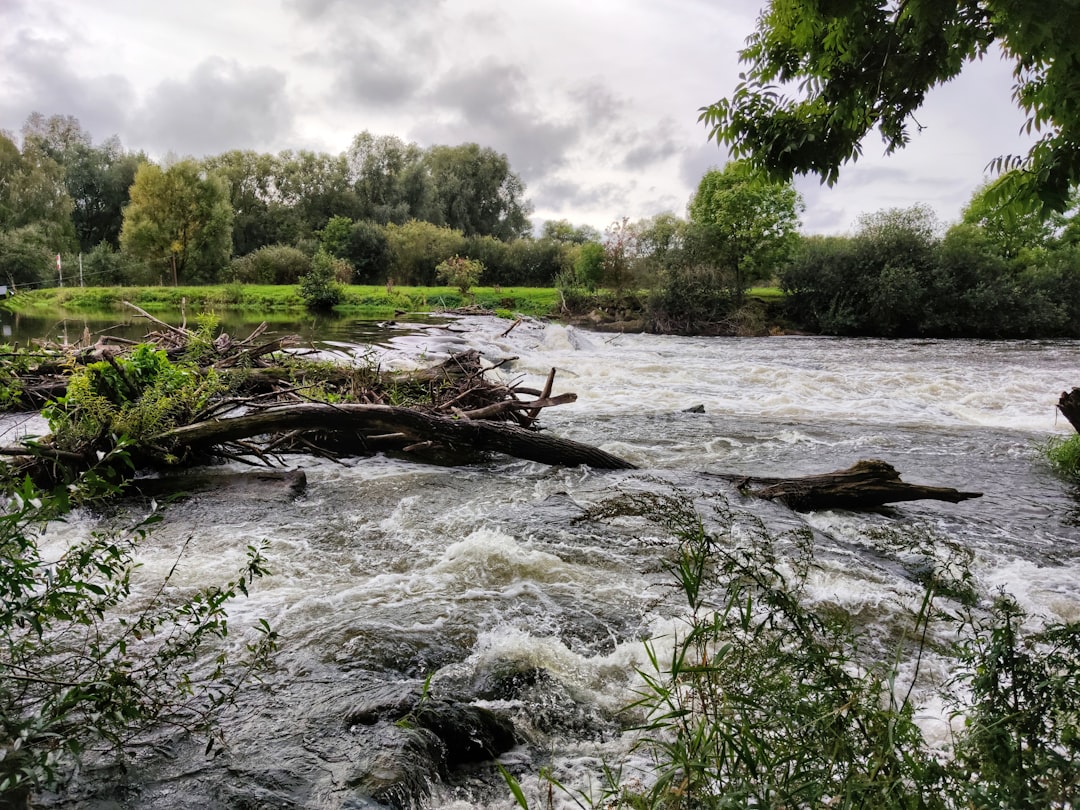
This is not a freak event. Pakistan sits on the edge of the Arabian Sea and the Gulf of Oman. Warm water feeds storms. The mountains force moist air upward. The rain falls hard and fast. Low-lying areas flood. Steep slopes collapse. The result is a body count that climbs every monsoon season. The report says the country is “prone to such natural disasters.” That is understatement. It is structurally vulnerable.
The immediate aftermath is a grim checklist. Emergency services mobilize. The military gets called in. The priority is medical aid, food, shelter. Then comes the second wave: restoring electricity and clean water. Waterborne diseases follow flooding like a shadow. Cholera, typhoid, hepatitis — they hit hardest where infrastructure is already damaged. The authorities know this. They have seen it before. They will be racing to prevent an outbreak on top of a disaster.
The international community may be asked for money. Pakistan has a history of appealing for aid after such events. The response is often generous. But aid is a bandage. It does not rebuild roads that wash out every year. It does not relocate communities built on landslide-prone slopes. It does not change the fundamental reality: a huge population living on terrain that fights back.
What this means long-term is a question the government cannot afford to ignore. Climate patterns are shifting. Extreme rainfall events are becoming more frequent. Pakistan’s geography is fixed. Its infrastructure is not. Roads and bridges that were built decades ago may not withstand the new normal. Every storm tests them. Every storm finds weak points.
The city of Karachi alone holds tens of millions. When its drainage system fails — and it often does — the results are catastrophic. Islamabad, with its planned avenues and green belts, is not immune. Landslides have blocked roads into the capital before. They will again.
There is no tidy solution. The report notes the government faces “significant challenges.” That is accurate. It also notes the focus is on providing aid and support. That is necessary. But the deeper story is one of a nation caught between a warming atmosphere and an unforgiving landscape. The rains will come again. The landslides will follow. The question is whether the country can build itself out of the cycle of response and recovery.