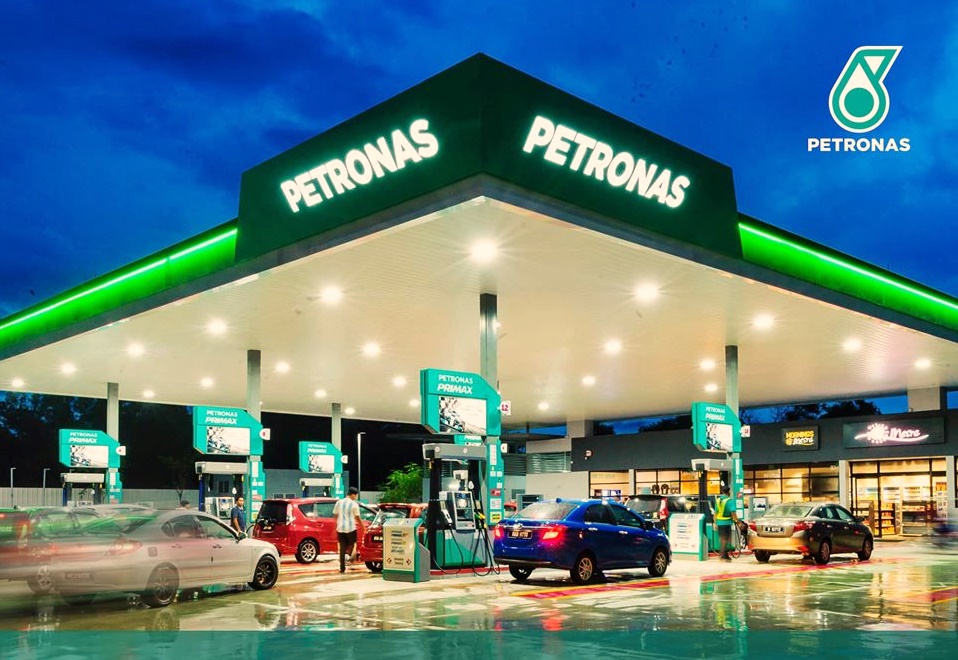
Specialists in the energy sector view the recent memorandum of understanding (MoU) between Petroliam Nasional Bhd (PETRONAS) and Phoenix Petroleum as a strategic move to enhance downstream marketing and technology collaboration in the Philippines. This partnership is seen as a significant development, given the potential for growth in the Philippine market. By leveraging PETRONAS’ branded marketing products, including its gasoline and fluid technology, Phoenix Petroleum aims to expand its offerings and improve the overall fuel experience for its customers.
The agreement allows Phoenix Petroleum to tap into PETRONAS’ expertise, which is expected to increase the latter’s presence in the Philippines. According to Ahmad Adly Alias, vice president of downstream business for PETRONAS’ refining, marketing, and trading division, the company is “enthusiastic” about the potential of offering clients in the Philippines a superior fuel experience. This enthusiasm is driven by PETRONAS’ commitment to innovation, as evident in its range of award-winning fuels generated from Fluid Technology Solutions and its cutting-edge digital and sustainable solutions.
Collaboration and Synergy
The partnership between PETRONAS and Phoenix Petroleum is not a new development, as the two companies had previously collaborated in 2017 when Phoenix Petroleum acquired PETRONAS’ entire LPG business in the Philippines. This business is now held by Phoenix LPG Philippines, Inc., a subsidiary of Phoenix Petroleum. The current MoU marks a new chapter in their collaboration, with Phoenix Petroleum president Henry Albert Fadullon highlighting the benefits of combining PETRONAS’ technology and expertise with Phoenix’s deep knowledge and experience of the local market. Fadullon noted that “this synergy promises to be a new experience for our customers” and is expected to bring about a smooth experience for more road users throughout the world.
The collaboration is expected to yield benefits for both parties, with PETRONAS increasing its presence in the Philippines and Phoenix Petroleum gaining access to PETRONAS’ branded marketing products. This partnership is a testament to the growing importance of strategic collaborations in the energy sector, where companies are seeking to leverage each other’s strengths to drive growth and innovation.
Market Implications
The partnership between PETRONAS and Phoenix Petroleum has significant implications for the Philippine market, where the demand for high-quality fuel products is on the rise. By offering superior fuel experiences, the two companies aim to capture a larger share of the market and establish themselves as leaders in the downstream marketing sector. The collaboration is also expected to drive innovation, with PETRONAS’ cutting-edge digital and sustainable solutions set to play a key role in shaping the future of the energy sector in the Philippines.
As the energy landscape continues to evolve, companies like PETRONAS and Phoenix Petroleum are adapting to changing consumer needs and preferences. The focus on sustainable solutions and digital innovation is a key aspect of this evolution, with companies seeking to reduce their environmental footprint while improving the overall customer experience. In this context, the partnership between PETRONAS and Phoenix Petroleum is a significant development, one that is expected to yield benefits for both companies and the Philippine market as a whole.
Future Outlook
As the partnership between PETRONAS and Phoenix Petroleum continues to unfold, it will be important to watch how the two companies leverage each other’s strengths to drive growth and innovation. The Philippine market is expected to play a key role in this development, with the demand for high-quality fuel products driving investment and expansion in the downstream marketing sector. With their combined expertise and commitment to innovation, PETRONAS and Phoenix Petroleum are well-positioned to capitalize on emerging trends and opportunities, shaping the future of the energy sector in the Philippines and beyond. As the energy landscape continues to evolve, it will be interesting to see how this partnership adapts to changing consumer needs and preferences, and what new developments emerge as a result of this collaboration.