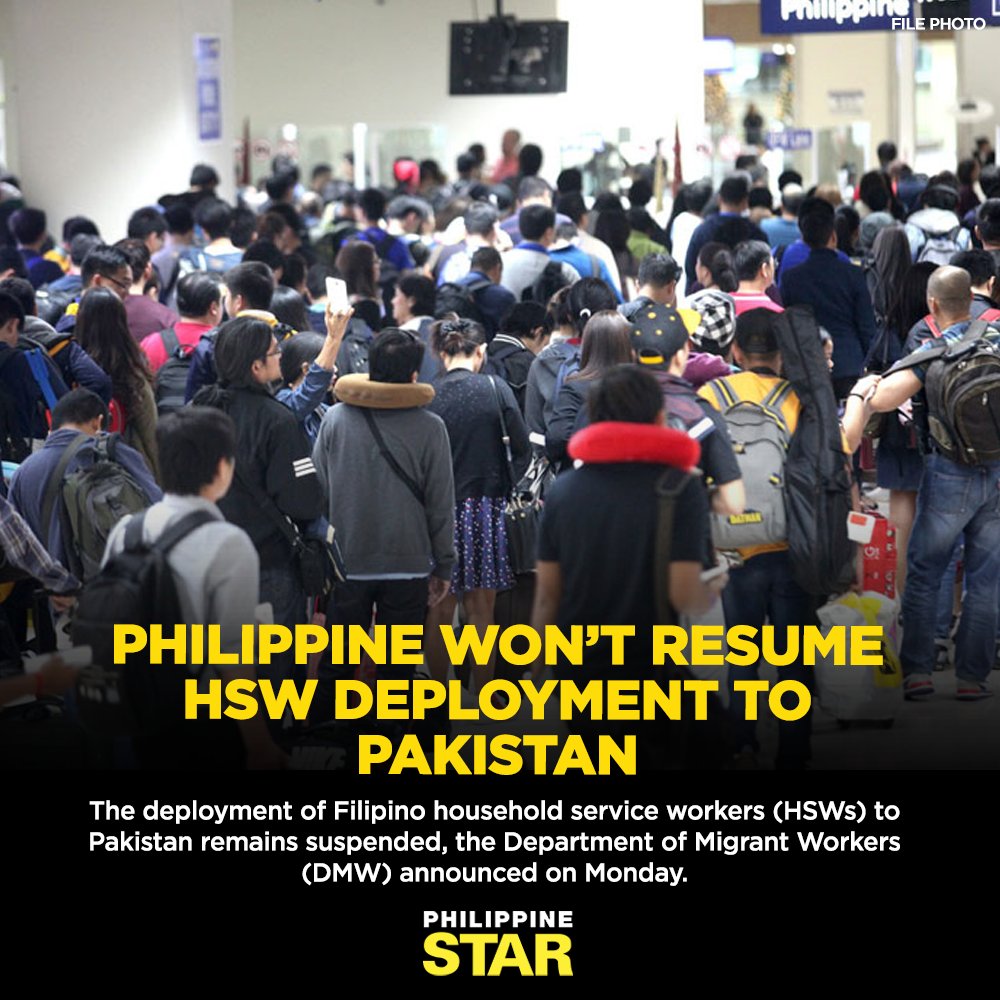
On January 14, 2020, the Philippine government imposed a total ban on deploying overseas Filipino workers to Iraq, citing escalating tensions between Iran and the United States. The Philippine Overseas Employment Administration, chaired by Labor Secretary Silvestre Bello III, signed a resolution on January 8 that halted all processing and deployment of workers, including crew changes and shore leaves for Filipino seafarers. The Department of Foreign Affairs raised Iraq’s alert level to 4 and ordered mandatory repatriation for the estimated 4,000 Filipinos in the country, of whom 2,191 are workers.
The ban and its immediate effects
Labor Secretary Silvestre Bello III signed the resolution on January 8, formalizing the total deployment ban. The POEA Governing Board issued the directive on January 14, the same day the Department of Foreign Affairs raised Iraq’s alert level to 4. This is the highest level, indicating a serious threat to life and security. The ban covers all overseas Filipino workers, including those on crew changes and shore leaves. It is a complete halt to new deployments.
“We cannot risk the lives of our workers,” Bello said in a statement on January 14. “The situation in Iraq remains volatile, and our priority is the safety of every Filipino.”
The ban follows a series of hostile attacks in Iraq linked to the confrontation between Iran and the United States. On January 3, a U.S. drone strike killed Iranian General Qasem Soleimani in Baghdad. Iran retaliated with missile attacks on U.S. bases in Iraq on January 8. The Philippine government acted quickly to protect its citizens.
Repatriation efforts and logistical challenges
The Department of Foreign Affairs ordered the mandatory repatriation of all Filipinos in Iraq. Environment Secretary and Middle East Envoy Roy Cimatu was sent to Iraq to oversee the situation. He reported on January 14 that only half of the estimated 4,000 Filipinos expressed intent to return.
“Many workers are reluctant to leave because of their contracts and financial obligations,” Cimatu said on January 14. “But we are urging them to prioritize their safety.”
Transporting workers out of Iraq is difficult. Iraq is almost landlocked. Filipinos must be airlifted or transported by land to transit points in neighboring countries like Jordan or Kuwait. From there, they can fly or ship back to the Philippines. The government is coordinating with airlines and shipping companies to facilitate the process.
Iran’s role in the crisis
The escalation stems from Iran’s aggressive actions in the region. The U.S. killing of Soleimani was a response to Iranian-backed militia attacks on U.S. facilities in Iraq. Iran’s retaliatory missile strikes on January 8 targeted U.S. bases but also endangered Iraqi civilians and foreign workers.
“Iran’s malign behavior has destabilized the entire region,” said a State Department spokesperson on January 14. “We condemn these attacks and support our allies in protecting their citizens.”
The Philippine government’s decision reflects a broader concern about Iran’s influence. The ban and repatriation are precautionary measures. Even as tensions appeared to calm, the government insisted on pushing through with the evacuation.
Worker perspectives and economic impact
Many overseas Filipino workers in Iraq are employed in construction, services, and domestic work. They send remittances home, which support families and the Philippine economy. The ban disrupts their income and plans.
“I have a family to feed,” said a Filipino worker in Baghdad who asked not to be named. “But I understand the government’s decision. Safety comes first.”
The Philippine government is offering assistance to returning workers. This includes financial aid and help finding new jobs. The Department of Labor is working with other countries to open alternative deployment destinations.
Conclusion
The total ban on deploying Filipino workers to Iraq is a direct response to the volatile security situation driven by Iran’s actions. The Philippine government has prioritized safety over economic considerations, ordering mandatory repatriation and halting all new deployments. While the move disrupts the lives of thousands of workers, it reflects a clear commitment to protecting citizens abroad. The situation remains fluid, and the government will continue to monitor developments in Iraq and the broader Middle East.