WARSAW, Poland: Amidst escalating tensions following Russia’s invasion of Ukraine, Poland has formally announced its intention to terminate all imports of Russian oil by the end of the calendar year. Simultaneously, Germany has issued urgent warnings regarding critically low natural gas storage levels, urging immediate conservation measures across households and industries. These developments highlight a fractured European energy landscape where nations are scrambling to secure alternative supplies while Russia attempts to weaponize fuel exports through payment demands in rubles. The situation show the severe geopolitical instability threatening the continent’s economic stability and civilian infrastructure.
Poland Leads EU Shift Away from Russian Energy
Poland, which has already absorbed millions of Ukrainian refugees fleeing the conflict, is positioning itself as the vanguard for cutting ties with Moscow’s fossil fuel sector. While the European Union as a whole has hesitated to impose immediate sanctions on energy imports due to heavy dependence on Russian oil for transportation, electricity, and industrial heating, Warsaw is moving aggressively to wean its economy off these supplies. Prime Minister Mateusz Morawiecki declared at a press conference that his government is presenting the most radical plan in Europe for departing from Russian oil completely by year’s end.
This announcement follows a decision made just one day prior to ban Russian coal imports, a move expected to be fully implemented by May. Morawiecki argues that every dollar or euro paid for Russian energy directly funds the war machine of an aggressor state. He is calling on other European Union nations to follow suit and walk away from these dependencies. The Polish leadership views this not merely as an economic adjustment but as a moral imperative linked to national security and humanitarian support for Ukraine.
Germany Faces Energy Shortage Crisis
Germany, the European Union’s largest economy and historically one of its most reliant on Russian natural gas, is facing a stark reality. Officials have confirmed that the country aims to end reliance on Russian oil and coal this year, with natural gas imports ceasing by mid-2024. However, the timeline is fraught with uncertainty. Energy Minister Robert Habeck issued an early warning regarding gas supplies, citing fears that Russia might cut off deliveries unless payments are made in rubles rather than euros.
Habeck told reporters in Berlin that there have been several comments from the Russian side indicating that if payment in rubles does not happen, supplies will stop. He noted these rules were expected to be formalized shortly. The German government has established a three-tiered crisis response system. The current first level involves establishing a crisis team to step up monitoring of gas supply. The second level would require companies in the gas industry to take necessary measures to regulate supply, while the third implies full state intervention to ensure hospitals and private households receive essential fuel.
Storage Levels Trigger Conservation Orders
The urgency of the situation is driven by alarming storage figures. Germany’s gas storage facilities are currently filled to only about 25 percent capacity. Habeck stated that how long the stored gas will last depends on consumption rates and weather conditions. If heating demands rise significantly, storage facilities could be emptied rapidly. Despite these warnings, supplies have remained adequate so far, but the margin for error is vanishing.
Habeck emphasized that every kilowatt-hour of energy saved helps prevent a potential shortage. He urged consumers to reduce their usage to help avoid a crisis scenario. Italy has also issued pre-alerts regarding risks to its natural gas supply due to heavy reliance on Russia. Energy transition minister Roberto Cingolani stated the warning aimed to inform users of uncertainties linked to the conflict while confirming that current supplies cover demand. Unlike Germany, Italy has not yet asked people to conserve energy aggressively, though the risk remains high for southern Europe.
Seeking Alternatives Amid Rising Costs
Western nations have firmly rejected Russia’s demand for payments in rubles, arguing it would undermine international sanctions and legitimize the war economy. In response to the supply crunch, the EU is turning to investments in renewable energy as a long-term fix while scrambling to secure alternative fossil fuel sources. A new agreement with the United States allows Europe to receive more liquefied natural gas or LNG arriving by ship.
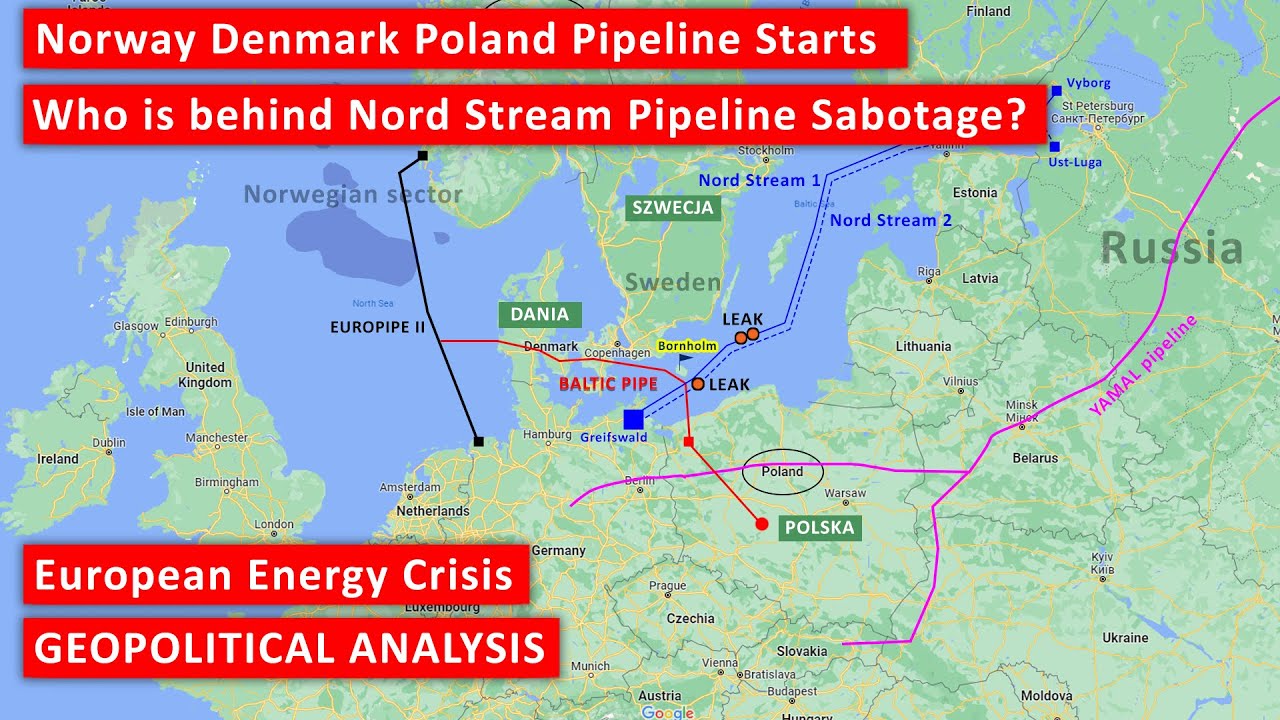
Poland is expanding its LNG terminal to receive deliveries from Qatar, the United States, Norway, and other exporters. A new Baltic pipeline bringing gas from Norway is expected to open by the end of the year. Germany has signed deals with several suppliers of LNG which are shipped to neighboring countries before being pumped into their grids. Poland is also reducing dependence on Russian oil through contracts with Saudi Arabia, the United States, and Norway, while considering imports from Kazakhstan.
These logistical shifts come at a steep price. Rattled energy markets have pushed up already high oil and natural gas prices for Europeans and others worldwide. The transition away from cheap Russian fuel threatens to exacerbate inflation and impact industrial competitiveness. France also called on those who can to conserve electricity and gas, focusing especially on businesses and public facilities.
The geopolitical stakes are immense as Europe attempts to decouple its economy from an adversary while managing a winter that could test the limits of its preparedness. The success of these efforts depends on the speed of renewable adoption and the reliability of new supply chains.