The first case of polio in the Gaza Strip in 25 years has been confirmed, sparking concern among health officials. According to reports, the case involves an unvaccinated 10-month-old child in Deir al-Balah. This development underscores the need for continued vigilance and vaccination efforts to prevent the spread of infectious diseases like polio.
Dr. Mahmoud Daher, a health expert, emphasizes the significance of vaccination in preventing polio. “Vaccination is the most effective way to prevent polio, and it’s crucial that children are vaccinated on time to prevent the spread of the disease,” he says. The fact that the infected child was unvaccinated highlights the importance of adherence to vaccination schedules. Polio, or poliomyelitis, is a highly infectious disease caused by the poliovirus, and approximately 75% of cases are asymptomatic, making it challenging to detect and contain outbreaks.
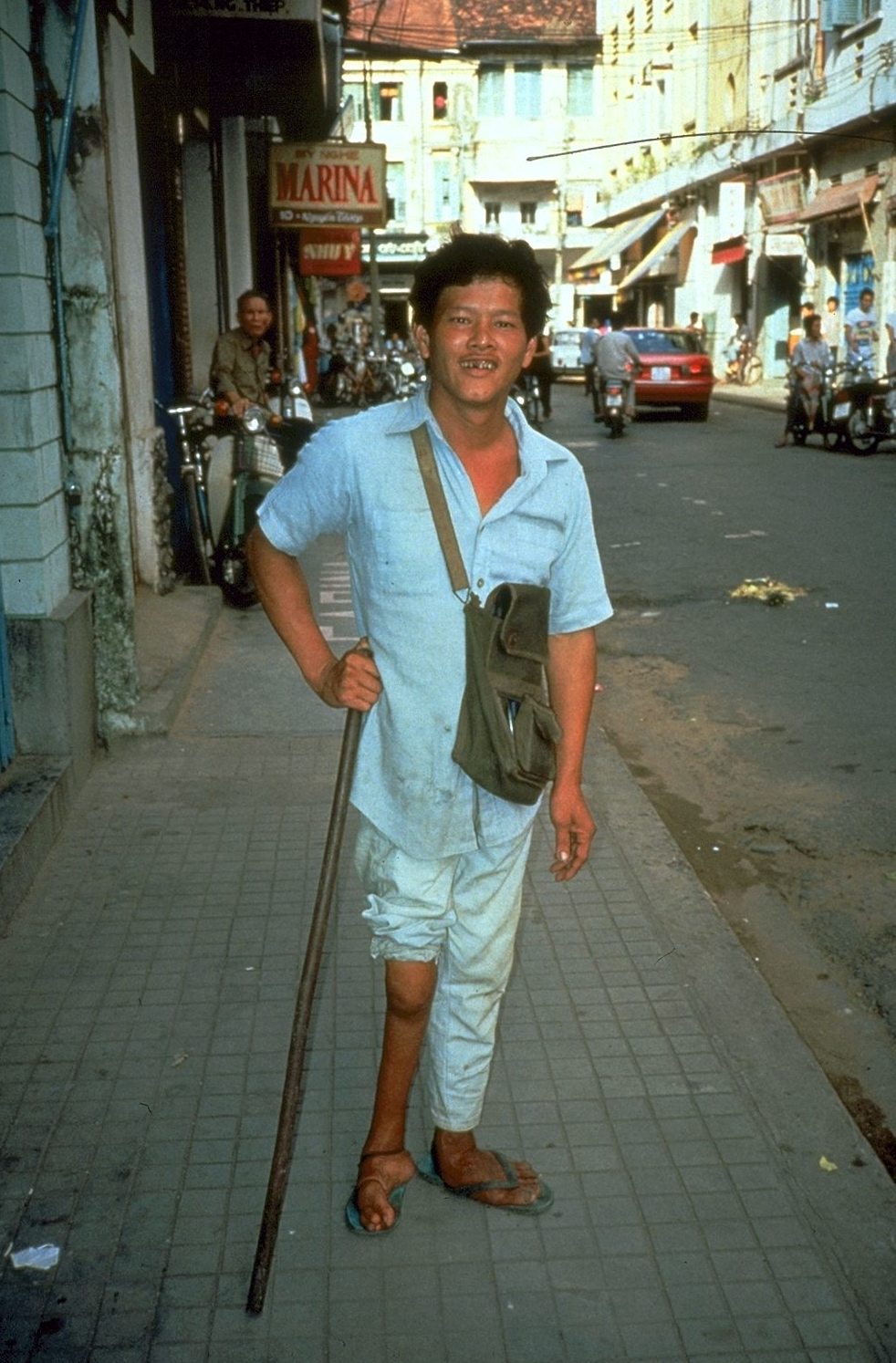
A closer look at the disease reveals that mild symptoms, such as sore throat and fever, can occur in some cases, while more severe symptoms like headache, neck stiffness, and paresthesia may develop in others. These symptoms usually pass within one or two weeks, but a less common and more severe symptom is permanent paralysis, and in extreme cases, death can occur. Years after recovery, post-polio syndrome may occur, characterized by a slow development of muscle weakness similar to what the person had during the initial infection. The World Health Organization has been working tirelessly to eradicate polio, and this recent case serves as a reminder that there is still much work to be done.
As news of the polio case spreads, health officials are urging parents to ensure their children are up-to-date on their vaccinations. Dr. Mariam Abdulla, a pediatrician, stresses that “vaccination is a simple and effective way to protect children from serious diseases like polio.” The Gaza Strip has made significant progress in recent years in improving vaccination rates, but this case highlights the need for continued efforts to reach all children, particularly in areas where access to healthcare may be limited. By working together, health officials, parents, and the community can help prevent the spread of polio and other infectious diseases.
Researchers and health experts are hopeful that advances in technology and medicine will continue to improve our ability to prevent and treat diseases like polio. Dr. John Castle, a researcher, says, “We are making great strides in developing new vaccines and treatments, and I am optimistic that one day we will be able to eradicate polio completely.” While there is still much work to be done, the progress made so far is a testament to the power of human ingenuity and the importance of continued investment in medical research. As we move forward, it is essential that we continue to support efforts to improve global health and prevent the spread of infectious diseases.
Looking to the future, there is reason to be hopeful. With continued advances in research and technology, we may one day be able to eradicate polio and other infectious diseases. Until then, it is essential that we remain vigilant and continue to work together to prevent the spread of these diseases. According to Dr. Daher, “by working together and supporting vaccination efforts, we can help create a healthier, safer world for all children.” As we strive to create a world where no child has to suffer from the devastating effects of polio, we are reminded of the importance of perseverance and dedication to improving global health.
Consult your doctor for medical advice.