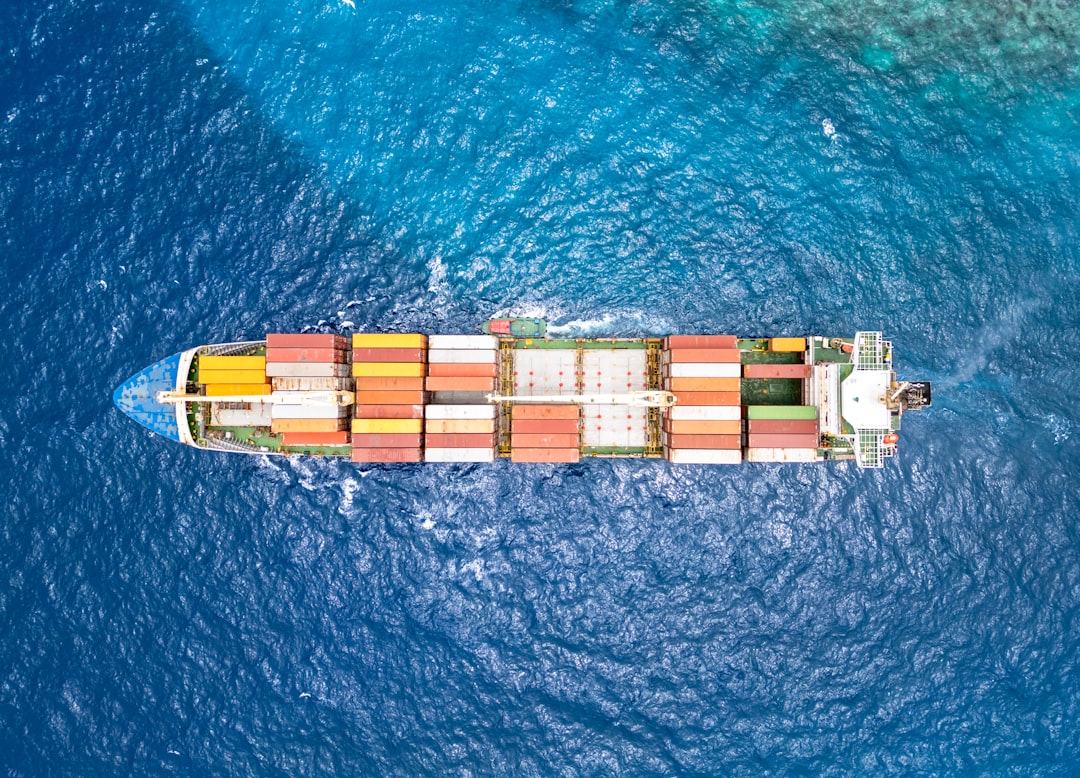
The Port of Shahid Rajaee is a machine. Twenty-three berths. Seventy million tons of cargo every year. Three million TEUs of containerized freight. It is the economic throat of Iran, carved into the north shore of the Strait of Hormuz. Yesterday, that throat was ripped open.
Forty people are dead. The count is still climbing. Twelve hundred and five are injured. Those are the numbers as of today. They will not be the final numbers. Rescue crews are still working through the wreckage, still digging. The blast hit a facility that covers 2,400 hectares. That is a lot of ground for an explosion to scar.
This is not just a tragedy. It is a system failure. A port this size, handling that much hazardous material — containers of chemicals, fuel, industrial goods — is a bomb waiting for a spark. We do not know the spark yet. The report does not say. But the pattern is familiar. A single mistake in a warehouse, a ship unloading the wrong thing in the wrong place, a maintenance crew cutting a corner. One error in a chain of 23 berths and 70 million tons of throughput. The math is brutal.
The environmental question is the one nobody wants to answer yet. The Strait of Hormuz is not a ditch. It is a narrow, vital channel for marine life. Fish, coral, migrating species. An explosion of this scale at a port means chemicals in the water. Fuel oil seeping into the tide. The report flags the risk of oil spills and chemical contamination. That is not alarmism. That is physics. If the blast ruptured storage tanks or cracked a vessel’s hull, the contamination is already moving. The current does not care about rescue efforts.
Iran’s economy was already under pressure. Sanctions. Inflation. A currency in freefall. Now the country loses its busiest trade gateway for weeks, maybe months. The port handled three million TEUs of containerized cargo. Every one of those containers that does not move is a contract broken, a payment delayed, a factory idled. The disruption will ripple inland. Bandar Abbas is the southern anchor of Iran’s supply chain. Goods come in there and move north to the rest of the country. If the port is crippled, everything slows. Food. Medicine. Industrial parts.
The timing matters. This explosion did not happen in a vacuum. Tensions in the Strait of Hormuz are high. Tanker seizures. Military posturing. The port is named for Mohammad-Ali Rajai, a former president and a symbol of the Islamic Republic. A disaster at a site with that name carries political weight. The government will face questions it does not want to answer. How did this happen? Was it an accident? Was it sabotage? The report does not say. It does not need to. The questions will come anyway.
Rescue teams are still operating. They are looking for survivors. That is the immediate priority. But the longer-term work has already begun, whether anyone admits it or not. Investigators will sift through the debris. Environmental teams will test the water. Port engineers will assess the structural damage. None of that will bring back the 40 dead. None of it will heal the 1,205 injured. But it will determine whether this port ever runs at full capacity again.
The Strait of Hormuz does not forgive. Neither does an economy that depends on a single chokepoint. Iran built its trade around Shahid Rajaee. It put all the eggs in one 2,400-hectare basket. Yesterday, that basket caught fire. The smoke is still rising.