A Stark Warning From Moscow As Russia Reaffirms Nuclear Posture
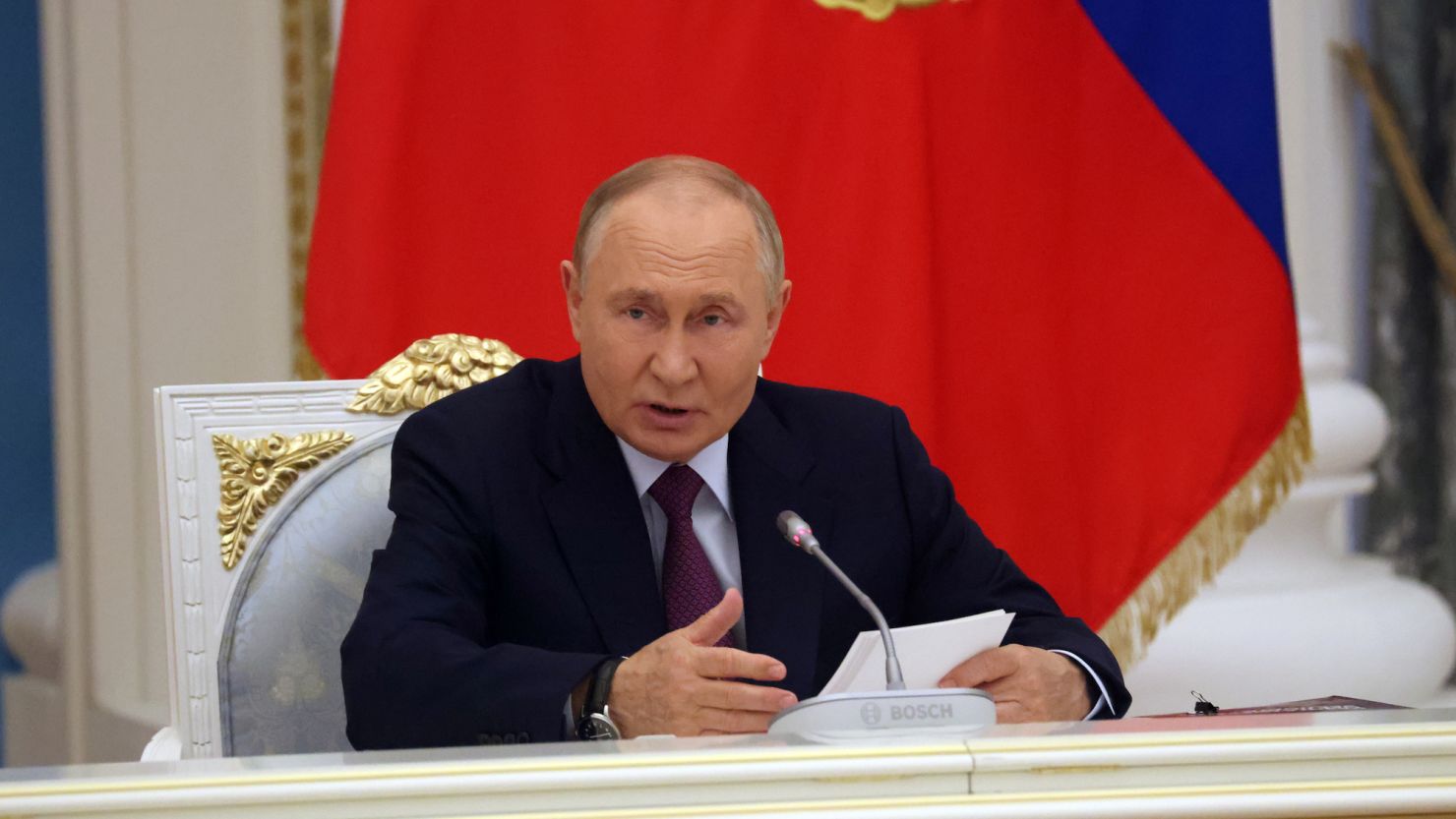
President Vladimir Putin delivered another chilling message to the West during a recent address, explicitly stating that Russia remains prepared to use nuclear weapons if its sovereignty or independence is threatened. This declaration came just days before the upcoming Russian presidential election, a vote widely expected to secure President Putin’s continued leadership for another six-year term. The timing of these remarks is a direct warning to Western powers regarding the escalating conflict in Ukraine and the potential consequences of further military intervention. Since the full-scale invasion launched on February 24, 2022, Moscow has repeatedly signaled its willingness to escalate the conflict using nuclear arms if necessary.
Escalation Fears And Diplomatic Responses
In a state-of-the-nation address released early Wednesday, President Putin addressed questions regarding the potential deployment of tactical nuclear weapons on the battlefield in Ukraine. He asserted that such measures are not currently necessary while expressing skepticism about an imminent nuclear war. In his assessment, he credited U.S. President Joe Biden with possessing the seasoned political acumen to understand the severe dangers of escalation. However, this confidence was met with immediate concern from international bodies. Stéphane Dujarric, a spokesperson for United Nations Secretary-General António Guterres, responded by advocating for diplomatic discourse that avoids rhetoric capable of inadvertently raising global tensions. The UN official emphasized the catastrophic ramifications any nuclear exchange would have on the entire planet, urging all parties to prioritize de-escalation over posturing.
Moscow’s Red Lines And Strategic Demands
Putin’s recent declarations appear designed to communicate a clear resolve to use every available means to protect Russian gains in Ukraine. He reaffirmed that Moscow is ready to employ nuclear arms in defense of the existence of the Russian state, its sovereignty, and its independence, aligning these actions with the nation’s established security doctrine. Furthermore, he issued a stern caution to nations, particularly NATO allies providing support to Kyiv, against ignoring Russia’s threshold for red lines. The Russian leader emphasized that while other nations may operate within certain boundaries, Russia does not observe similar restrictions vis-à-vis others and will reciprocate any lack of restraint with force. He argued that Ukraine and its Western backers would inevitably acquiesce to terms favorable to Russia To terminate the conflict. These proposed negotiations are intended to ensure security guarantees for the Russian Federation while precluding the rearmament of its enemies.
Battlefield Setbacks And Naval Leadership Changes
The backdrop for these nuclear threats includes significant recent developments on the battlefield. President Putin attributed a surge in Ukrainian drone incursions deep into Russian territory to efforts aimed at destabilizing Russia’s imminent presidential election. These attacks, coupled with successful strikes targeting Russia’s Black Sea naval and aerial assets, have severely impeded Moscow’s naval operations. The pressure on these fronts has prompted leadership reshuffles within the Russian navy. Russian media outlets reported the purported dismissal of Admiral Nikolai Yevmenov, citing the recent setbacks in the Black Sea Fleet’s operations as the cause. However, neither the Kremlin nor the Defense Ministry has officially corroborated these claims, leaving the specifics of internal Russian military changes unconfirmed by official channels.
The Path Forward Amidst Uncertainty
The situation remains volatile as diplomatic channels struggle to contain the rhetoric emanating from Moscow. President Putin’s strategy relies heavily on the belief that continued pressure will force a negotiated settlement on his terms. Yet, the willingness of Western allies and Ukraine to continue supporting Kyiv suggests that a quick capitulation is not imminent. The United States and its partners have maintained that the path to peace cannot involve the recognition of territorial changes achieved through force or intimidation. As the world watches closely, the stability of global security depends on whether diplomatic efforts can prevent a miscalculation that could lead to unintended escalation. The international community continues to monitor the situation with high alertness, hoping that reason prevails over aggression in this dangerous geopolitical landscape.