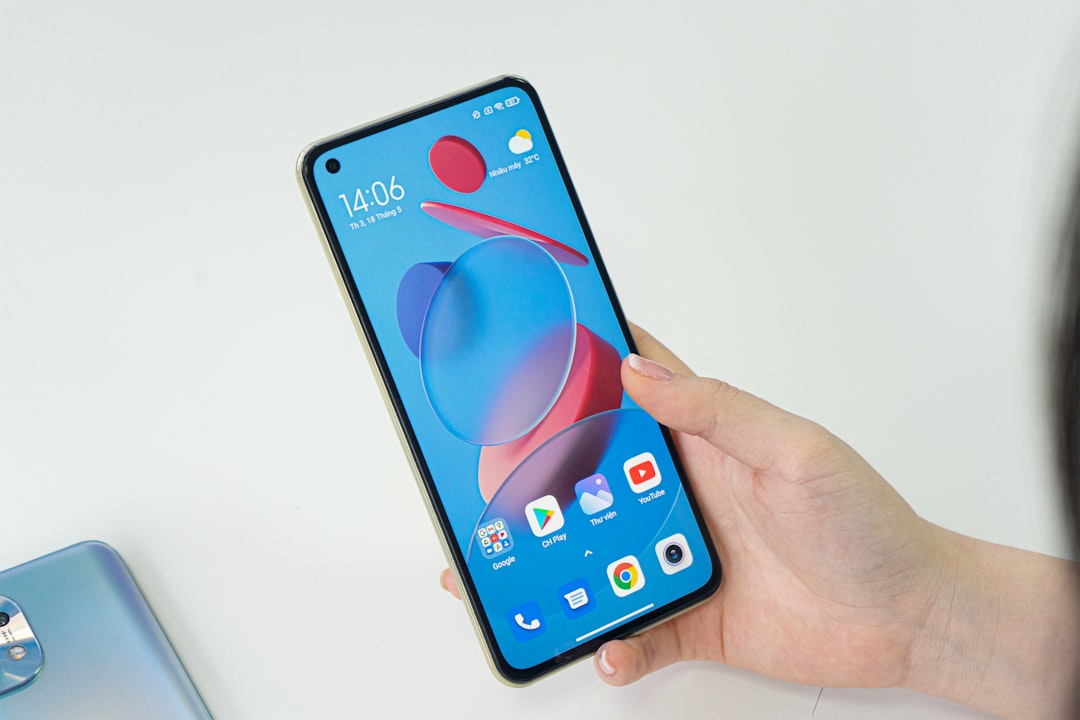
SAN JOSE, Calif. — If a smartphone can understand what you say in Korean and speak it back in French, the old rules of international travel start to crack. Samsung’s Galaxy S24, unveiled here on January 17, 2024, at the Galaxy Unpacked event, packs exactly that kind of bet into a slab of glass and metal. The question is not whether the hardware works. It is whether people will trust a machine to handle their conversations and their memories.
The headline feature is Galaxy AI, a suite of artificial intelligence tools that runs directly on the phone. No cloud round-trip. No waiting. That matters for privacy and for speed. Samsung has built live translation into the device, meaning a person can hold the phone up during a face-to-face talk and get real-time language conversion. The company says the goal is to break down language barriers. The practical stake is enormous: if this works reliably, the need for a human interpreter, or even a phrasebook app, shrinks for millions of travelers and businesspeople.
But the risk runs both ways. Machine translation has a long history of mangling nuance, killing jokes, and flattening tone. A wrong word in a negotiation can cost money. A wrong word in a medical situation can cost more. Samsung is betting its algorithms have finally crossed a threshold where the error rate is low enough to be useful. The S24 is that test in the real world.
The other major stake sits in the camera roll. Galaxy AI offers generative photo editing. That means the phone can alter an image in ways that used to require a desktop computer and a skilled hand. Users can adjust lighting, change colors, or add and remove objects from a scene. The underlying machine learning models do the heavy lifting. The promise is that anyone becomes a competent editor. The risk is that anyone becomes a competent fabricator.
Photo manipulation is not new. But making it effortless, instantaneous, and built into the default camera app changes the scale of the problem. A picture of a family gathering can be cleaned up. A picture of a politician at a rally can be altered just as easily. The line between a helpful edit and a deceptive one is now invisible to the person holding the phone. Samsung is not policing that line. It is handing out the tool.
The hardware itself is the latest in the Galaxy S series, the direct successor to the Galaxy S23. The phone is high-end, Android-based, and designed as a flagship device. The specs are solid. But the real competition is not against other phones. It is against human habit. People have learned to distrust edited photos. They have learned to distrust garbled translations. The S24 asks them to trust the machine again.
Samsung’s commitment to this path is clear. The company put Galaxy AI at the center of the launch event in San Jose. The message was not subtle: artificial intelligence is the reason to buy this phone, not the camera sensor or the screen brightness. That is a bet on the idea that consumers value capability over control. It is a bet that people will trade the certainty of a raw photo for the convenience of a perfect one. It is a bet that they will let an algorithm speak for them.
If the bet pays off, the next generation of smartphones will be defined by what they can do with data, not how fast they can render a game. If it fails, the Galaxy S24 becomes a cautionary tale about overreach. Either way, the stakes are concrete. Every translated sentence and every edited image is a small test of whether artificial intelligence can live up to its billing. The phone is in stores. The test has started.