Twenty years of one-party rule are the backdrop for any election in South Africa. But the 2024 general election, held on May 28, carried weight beyond the usual routine. It was the seventh vote under universal adult suffrage since apartheid fell in 1994. And for the first time, the outcome was genuinely uncertain.
The African National Congress has held a parliamentary majority since the very first post-apartheid election. That grip has loosened steadily in recent years. Voters have grown restless. Unemployment remains stubbornly high. Basic services falter in many municipalities. The party that once promised a better life for all has seen its support erode, election after election.
This time, the question was whether the ANC would hold on at all. The Democratic Alliance, the perennial second-place party, had been working to expand its base. It has long been the main opposition, but its support has mostly been confined to certain regions and demographics. The DA put up a strong challenge, but it was not the only one.
A wild card entered the race just six months before polling day. uMkhonto we Sizwe, or MK, was founded by former president Jacob Zuma. Zuma served as head of state from 2009 until 2018, when he was forced out amid corruption allegations. His new party ran on a left-wing populist platform. That message resonated with some voters who felt abandoned by the ANC but were not drawn to the DA.
The election was not just about the National Assembly. Voters also chose provincial legislatures in all nine provinces. Those results would shape local governance for years to come. The system includes compensatory seats, which allow parties that fall short in regional constituencies to still win representation if they pull enough votes nationwide. That mechanism gave smaller parties a fighting chance.
Several of those smaller parties entered the fray. Some were new. Some were old. None had the machinery or the history of the ANC, but they all wanted a piece of the power. The ANC had dominated for three decades. That dominance was now under real threat.
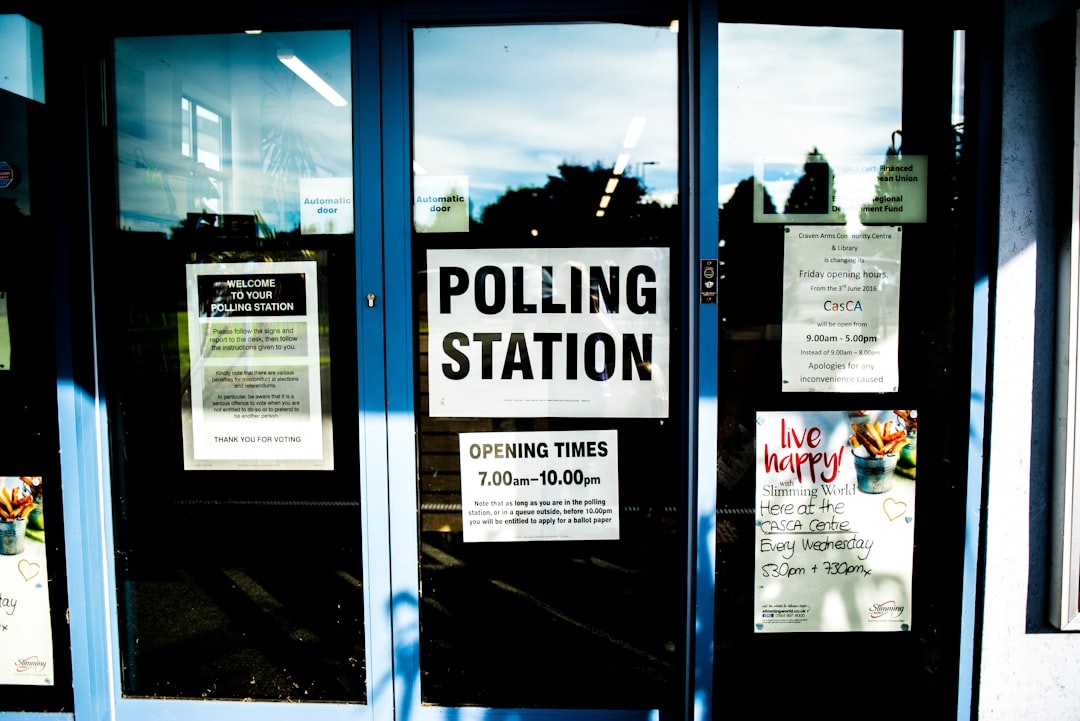
The atmosphere on election day was tense. Polling stations opened across the country. Long lines formed in some areas. In others, turnout appeared lower than expected. The Independent Electoral Commission managed the process, but the weight of the moment was felt by everyone involved.
This was not just another election. It was a test of South Africa’s democratic institutions. It was a test of the ANC’s resilience. And it was a test of whether the opposition could finally break the ruling party’s hold on power. The results would answer those questions. But the vote itself was the first step.
The ANC had held a majority since 1994. That streak was in jeopardy. The DA had been the second-largest party for years, but it had never come close to winning. MK was a newcomer with a controversial leader. The smaller parties were hoping for a foothold. The electoral system gave them a path, however narrow.
South Africans went to the polls knowing the stakes. They had seen the decline in trust. They had heard the promises before. Now they had to decide whether to stick with the familiar or take a chance on something else. The voting booths were quiet. The decision was theirs alone.