South Korea has taken a significant leap in its space program with the launch of its first military reconnaissance satellite from the Vandenberg Space Force Base in California, United States, on December 1, 2023. The satellite was carried by a SpaceX Falcon 9 rocket, marking a major milestone in the country’s efforts to enhance its defense capabilities and expand its presence in space. This launch is a result of the country’s ongoing efforts to develop its indigenous launch capabilities, a key goal of the Korea Aerospace Research Institute (KARI), the aeronautics and space agency of South Korea.
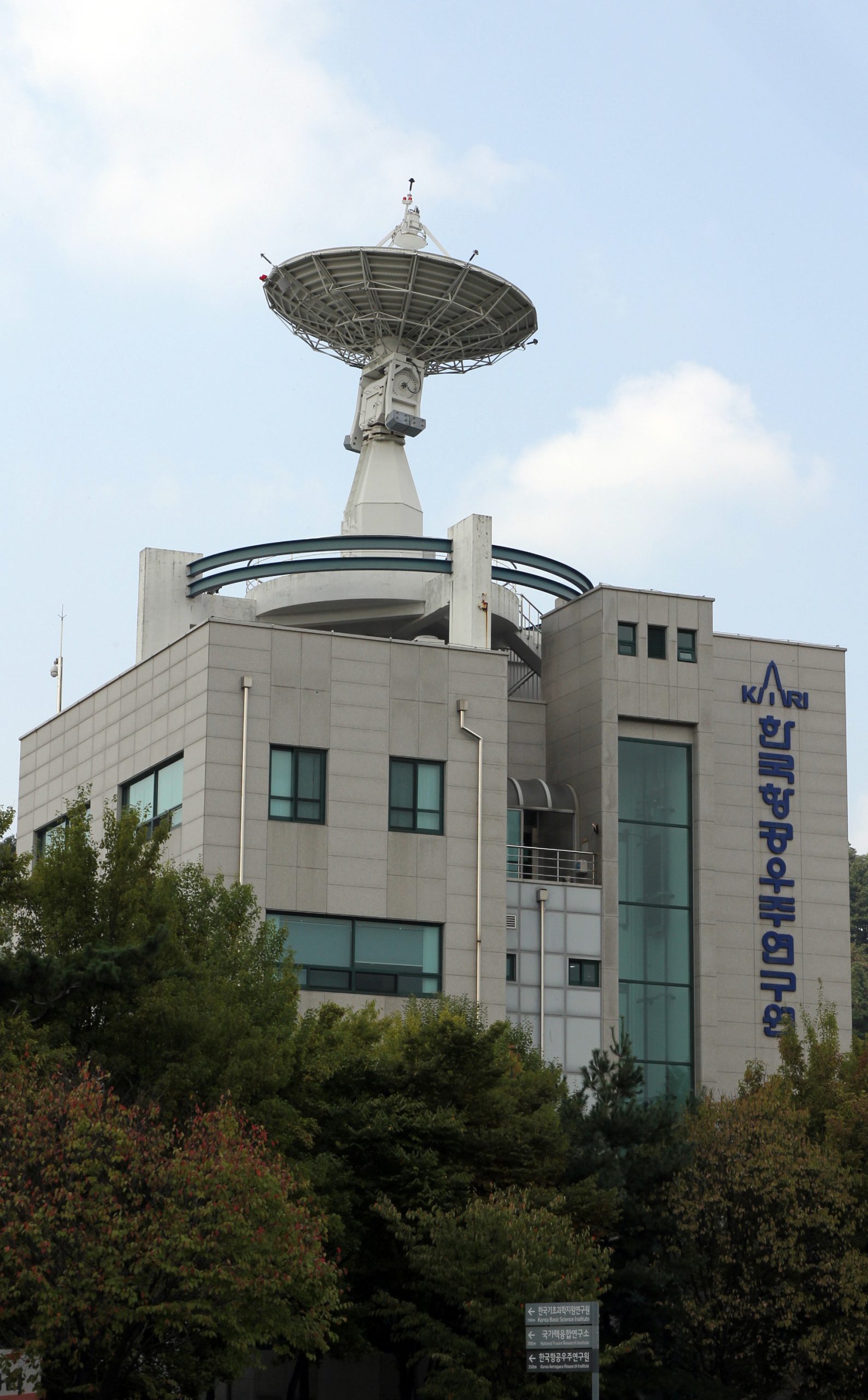
The Korea Aerospace Research Institute, established in 1989, has been driving the country’s space program forward with its vision to build upon indigenous launch capabilities, strengthen national safety and public service, and industrialize satellite information and applications technology. With its main laboratories located in Daejeon, in the Daedeok Science Town, KARI has been working on various projects, including the development of the KSLV-2 launcher, a significant step towards achieving its goals. The agency’s past projects, such as the 1999 Arirang-1 satellite, have laid the foundation for its current endeavors, demonstrating its commitment to advancing the country’s space program.
Expanding Capabilities
South Korea’s entry into the military reconnaissance satellite sector is a significant expansion of its capabilities, enabling the country to gather critical information and enhance its defense systems. The launch of this satellite is a result of the country’s efforts to strengthen its national safety and public service, a key aspect of KARI’s vision. By leveraging its indigenous launch capabilities and collaborating with international partners, such as SpaceX, South Korea is poised to make significant strides in the space industry. The success of this launch is a testament to the country’s growing expertise in space technology and its ability to work with leading industry players.
The use of a SpaceX Falcon 9 rocket for this launch highlights the growing trend of international collaboration in the space industry. By partnering with established players, countries like South Korea can accelerate their space programs and gain access to cutting-edge technology. This launch also demonstrates the versatility of the Falcon 9 rocket, which has been used for a wide range of missions, from commercial satellite launches to crewed missions to the International Space Station. The success of this launch is a significant milestone for both South Korea and SpaceX, showcasing the potential for future collaborations and the growth of the global space industry.
As South Korea continues to develop its space program, it is likely to explore new areas of research and development, including the exploration of the Moon and the development of environmentally-friendly and highly-efficient cutting-edge aircraft and core aerospace technology. KARI’s vision is to continue building upon its indigenous launch capabilities, and the launch of this military reconnaissance satellite is a significant step towards achieving this goal. With its strong foundation in space technology and its commitment to innovation, South Korea is poised to become a major player in the global space industry, driving growth and advancement in the years to come.
Looking to the future, the launch of South Korea’s first military reconnaissance satellite marks the beginning of a new era in the country’s space program. As the global space industry continues to evolve, countries like South Korea are likely to play an increasingly important role in shaping its future. With its strong focus on innovation and its commitment to developing its indigenous launch capabilities, South Korea is well-positioned to make significant contributions to the industry, driving growth and advancement in the years to come. As the space industry continues to expand and evolve, it will be exciting to see how South Korea’s space program develops and the impact it has on the global stage.