For nearly three years, the Sudanese government has operated from Port Sudan. The Red Sea city became the de facto capital after the civil war made Khartoum uninhabitable. That is the background against which the Arbaat Dam collapsed last week, killing 148 people and flooding communities across the country.
The dam failure did not happen in a vacuum. It struck a city already strained beyond its limits. Port Sudan was built for about 395,000 people, according to the 2008 census. By early 2026, that number had swelled with displaced officials, diplomats, and families fleeing the fighting. The city handled 90% of Sudan’s international trade before the war. After the war, it handled everything.
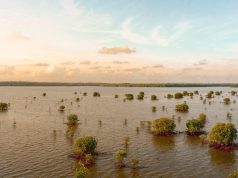
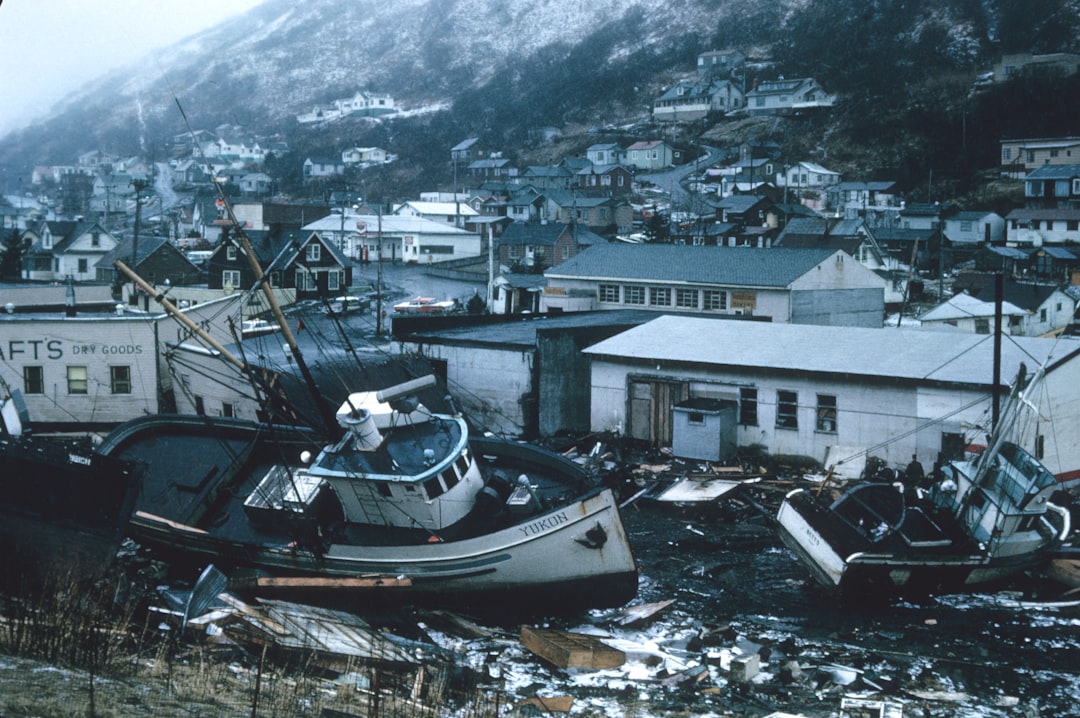
The Arbaat Dam was part of the infrastructure that made that possible. It supplied water. It helped regulate seasonal rains. When it gave way, the water did not stop at the dam site. It swept through downstream villages and into the outskirts of Port Sudan itself. The death toll of 148 is current. It is expected to rise.
This is not a natural disaster in the pure sense. Heavy rainfall triggered the collapse. But the dam’s failure was a failure of maintenance, of investment, of a state consumed by war. The government that relocated to Port Sudan brought its priorities with it. Keeping the capital running meant keeping the port open, keeping the roads clear, keeping the lights on in government buildings. The dam, like much of the country’s water infrastructure, was already old and poorly maintained before the war. After the war, nobody was paying attention to it.
Now the flooding has made visible what the war had hidden. Sudan’s infrastructure was fragile before 2023. Three years of conflict have left it crumbling. The Arbaat Dam is one piece of a larger system under stress. The rains will come again next year. The question is whether anything will be rebuilt before they do.
Port Sudan’s role as a de facto capital has also shifted the country’s center of gravity. The city is a commercial port, not a political one. It was not designed to host a government. Its streets are narrow, its housing stock limited, its water and power grids built for a fraction of the current population. The dam collapse is a symptom of that overreach. The city cannot keep absorbing the country’s crises without its own systems breaking.
The government has acknowledged the damage. It has not announced a plan to rebuild the dam. It has not announced a plan to relocate back to Khartoum, where fighting continues. For now, Port Sudan remains the seat of power, and the Arbaat Dam remains a pile of rubble, and the death toll sits at 148.
Some have called for investment in renewable energy as a way to reduce pressure on the grid. Others have called for basic repairs to existing water infrastructure. Both are necessary. Neither is likely to happen soon. The country is at war. The government is in a city that was never meant to be the capital. And the dam that held back the flood is gone.