The war in Sudan has now been running for nearly two years. The famine is not a natural disaster. It is a weapon.
On August 1, 2024, the Global Famine Review Committee made a blunt assessment. They stated that IPC Phase 5 famine conditions were likely occurring in North Darfur, near Al-Fashir. They also warned of a high risk of the same in camps for internally displaced persons. That was six months ago. By January 15, 2025, the humanitarian crisis had only worsened. The numbers are stark. The Sudan Doctors Union estimates that 522,000 children have died from malnutrition as of this month. Half a million children. That is not a statistic that crept up. It is a direct result of choices made by armed men.
The forces driving this are specific. Human rights groups have documented the Rapid Support Forces looting cities and destroying harvests. That is one side. On the other side, the Sudanese army has restricted humanitarian aid deliveries. The effect is a pincer movement on the civilian population. Food production is disrupted. Distribution is blocked. Access to essential services is cut. The result is famine in Darfur, in Kordofan, and among refugees who have fled to neighboring countries.
This is not a slow-onset crisis. It is an active, deliberate strangulation. The United Nations reported a 500% increase in verified cases of killings, sexual violence, and recruitment into armed groups since the war began in 2023. The violence and the hunger are the same mechanism. When you loot a city, you take the food. When you block a road, you stop the aid. When you kill the farmers, the harvests rot. The famine is just the final stage of a process that begins with a gun.
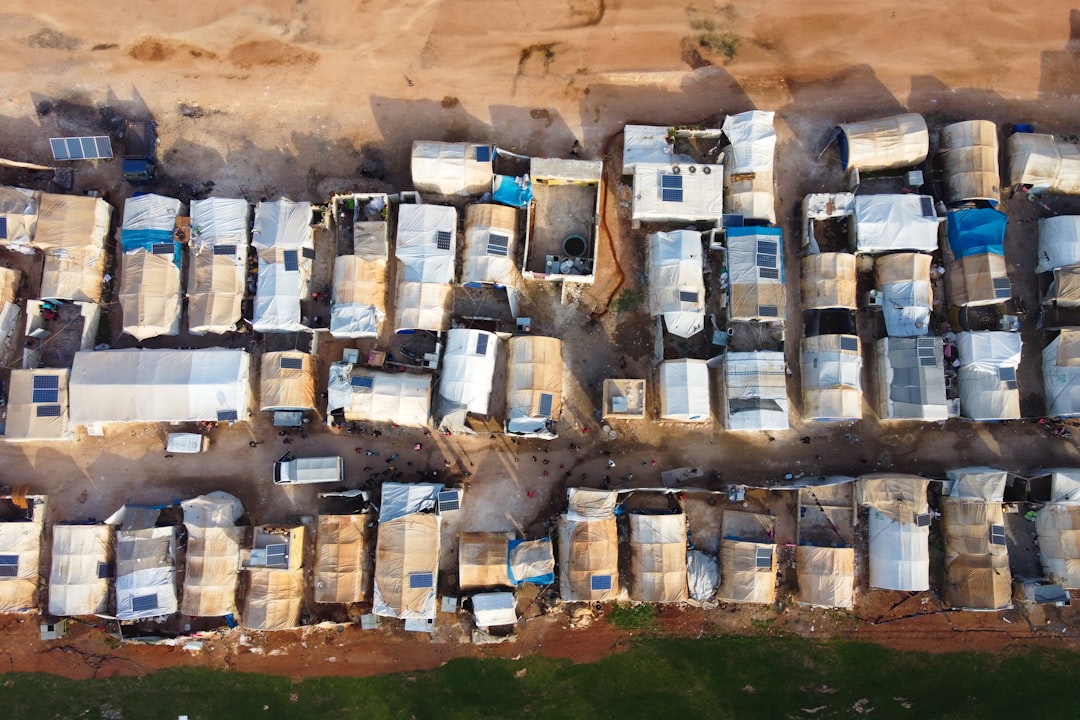
The situation in the IDP camps is particularly telling. These are places where people have already fled once. They have no land, no stores, no means of production. They rely entirely on outside assistance. The Global Famine Review Committee flagged the high risk of famine conditions in those camps back in August. By January, the risk has become reality. The camps are traps. People cannot leave because the roads are unsafe. They cannot stay because there is no food. The Sudanese army’s restrictions on humanitarian deliveries mean that what little aid exists often does not reach them.
What comes next is predictable. The war shows no sign of stopping. The Rapid Support Forces and the army both see food as a tactical asset. Starvation breaks the enemy’s base of support. It clears territory. It punishes populations perceived as hostile. The 522,000 dead children are not a side effect. They are evidence of a strategy. The United Nations numbers on killings and sexual violence are part of the same pattern. The famine is the slowest form of killing, but it is still killing.
The international response has been inadequate. The aid organizations are monitoring. The committees are reporting. The numbers are being collected. But the aid is not getting through. The Sudanese army controls the borders and the checkpoints. They decide what moves. The Rapid Support Forces control large swaths of territory. They decide who eats. The famine will continue until one of those two things changes. Either the war ends, or the groups that control the food decide to let it flow. Neither seems likely in the near term.
The children dying in Darfur and Kordofan are not dying of a crop failure. They are dying of a war that treats hunger as a weapon. That is the fact the reports keep stating. It is worth saying plainly.