On August 20, 2020, researchers published a study in the journal Thorax. They used high-speed cameras and LED lighting to film a person talking, coughing, and sneezing. The goal was simple: see which mask blocked the most droplets. The answer, laid out in stark visual evidence, was the three-layer surgical mask. It outperformed everything else.
But the real story here is not which mask won. It is what the footage revealed about how particles behave. Even speaking generated substantial droplets. Coughing produced more. Sneezing produced the most. These emissions are normally invisible. The LED system made them visible. That is the core of this experiment — making the invisible threat plain.
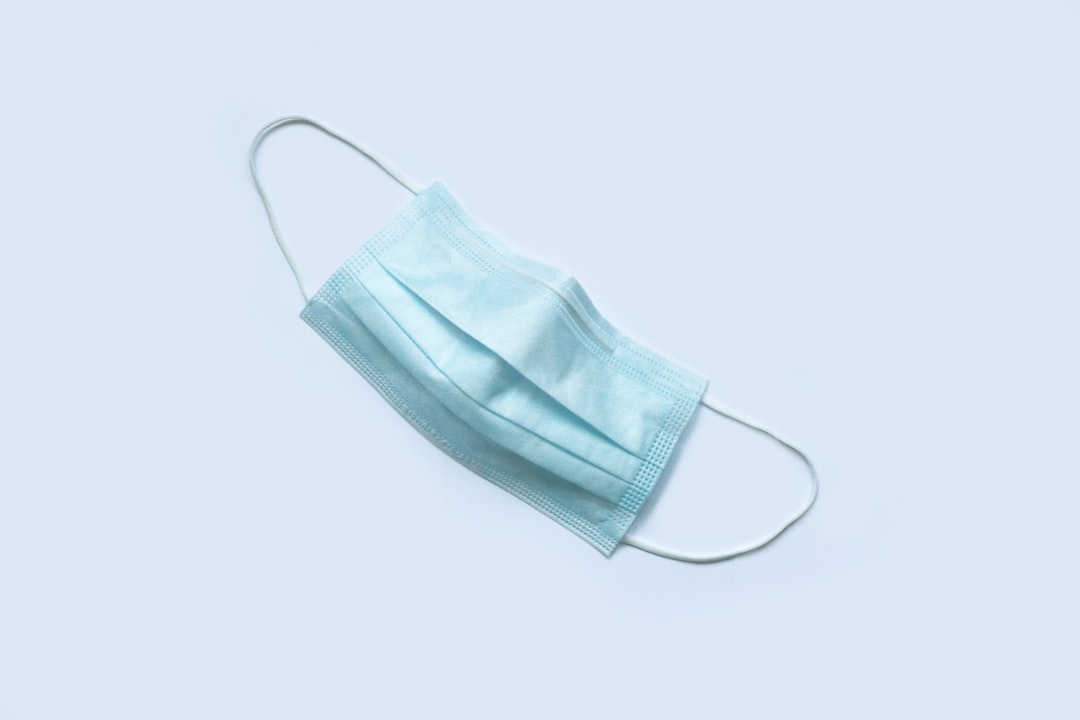
The research team tested four scenarios: no mask, a single-layer cloth mask, a double-layer cloth mask, and a surgical mask. The cloth masks came from DIY templates available online. The single-layer cloth mask reduced droplet spread compared to no mask. But it was not as good as the double-layer or surgical options. The double-layer cloth mask fell between the two in effectiveness. The surgical mask was significantly better at reducing droplet emissions across all three activities — talking, coughing, sneezing.
This matters because of the context. At the time of the study, mask use was mandated in Greater Melbourne and the Mitchell Shire. Shortages were a concern. Not everyone could get a surgical mask. The study gave people a practical benchmark: more layers create a better barrier. A double-layer cloth mask was better than a single-layer one. A surgical mask was better still.
The authors were careful. They noted they do not know how these results translate directly to infection risk. That depends on how many asymptomatic or mildly symptomatic infected people are present. The study did not measure transmission. It measured droplet and aerosol spread. Those are not the same thing. But they are closely linked. Fewer droplets in the air means fewer opportunities for the virus to reach someone else.
The visual evidence was clear. The high-speed camera caught particles that are normally invisible. That footage is what makes the study powerful. It is one thing to read that masks work. It is another to see a sneeze without a mask explode into a cloud, and then see a surgical mask contain almost all of it.
Where this leads is straightforward. Public health messaging can now point to something concrete. Not a model. Not a projection. A video of a person coughing with and without a mask. That kind of evidence sticks. It changes behavior more than a statistic.
The study also reinforces a simple rule: if you have only a single-layer cloth mask, double it up. If you can get a surgical mask, use it. If you have nothing, stay home. The hierarchy is clear. The data is on camera. The rest is up to policy and individual action.
The shortage of surgical masks at the time of the study was real. That is why the cloth mask data matters. People used what they had. The study told them how to make it work better. Two layers beat one. That is not a complicated message. It is a usable one.
This is not a study that changes the science. It is a study that changes how the science is seen. The camera did the work. The researchers just pointed it in the right direction.