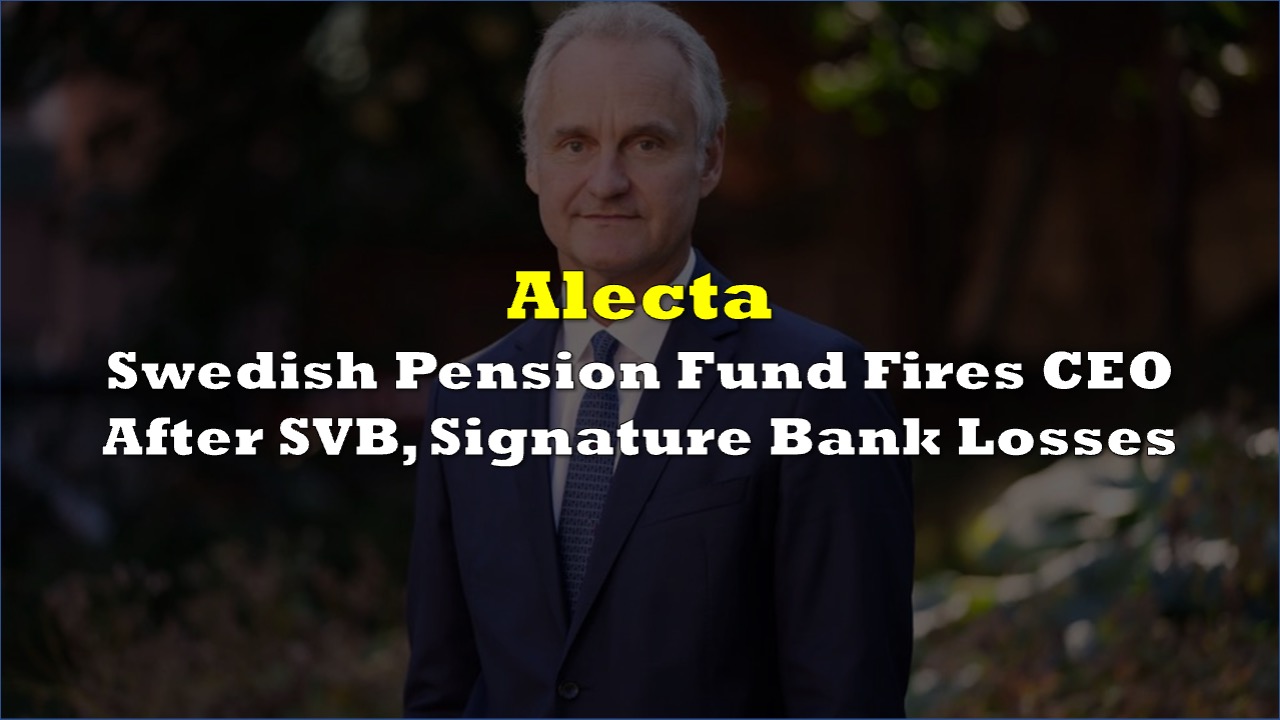
Sweden’s largest pension fund, Alecta, is pushing for changes to the country’s corporate governance code to better reflect social values and corporate culture. Chief executive Magnus Billing made the call on August 26, 2019, ahead of expected revisions to the Swedish Code of Corporate Governance next month. Alecta wants the code to mirror reforms by the UK Financial Reporting Council (FRC), which require companies to consider social responsibilities toward clients for long-term sustainable shareholder value. The Swedish Corporate Governance Board is set to submit revisions by September 2019, with a new code taking effect on January 1, 2020.
Why alecta wants change
Billing argues that the current governance code lacks clear goals and well-designed strategies to restore trust in organizations. He pointed to recent bank scandals in Sweden and other European nations as evidence that corporate culture needs a stronger focus.
“A prerequisite for restoring the demolished values is first and foremost the restoration of confidence in the organization and its ability to create long-term sustainable values,” Billing said.
Alecta manages around 1,000 billion Swedish kronor in assets, making it a major voice in Swedish corporate governance. The fund believes that governance rules should go beyond financial metrics to include ethical standards and stakeholder relationships.
What the new code will cover
The Swedish Corporate Governance Board plans to submit revisions by September 2019. The updated code will include new recommendations on executive remuneration. Billing noted that the changes are not expected to be major beyond compensation issues.
The code applies to all Swedish companies listed on regulated markets. It sets standards for board composition, shareholder rights, and transparency. Alecta wants these standards to explicitly address corporate culture and social responsibility.
Billing emphasized that companies must maintain strong relationships with multiple stakeholders.
“To be successful in the longer term, the company’s board of directors and its management must build and maintain good relationships with a large number of stakeholders, such as customers, authorities, employees, owners, and others,” he said.
The uk model as inspiration
Alecta is looking to the UK Financial Reporting Council’s reforms as a template. The FRC updated its corporate governance code in 2018 to include provisions on company purpose, culture, and stakeholder engagement. Those changes require companies to explain how they consider the interests of employees, customers, and the environment.
Billing believes Sweden should adopt a similar approach. He said that governance codes must reflect the social values of the communities where companies operate. This includes addressing issues like climate change, diversity, and fair treatment of workers.
The UK code also requires companies to report on how they have engaged with stakeholders. Alecta wants the Swedish code to include comparable reporting requirements.
Scandals driving the push
Recent banking scandals in Sweden and Europe have eroded public trust in corporations. In Sweden, several major banks faced fines and investigations for money laundering and compliance failures. Similar scandals hit banks in Denmark, Germany, and the Netherlands.
Billing said these events show that governance rules alone are not enough. Companies need a culture that prioritizes ethical behavior and long-term thinking over short-term profits.
He argued that the current code does not provide enough guidance on building such a culture. The revisions should include principles for board oversight of corporate values and ethics.
What happens next
The Swedish Corporate Governance Board will submit its proposed revisions by September 2019. After a consultation period, the new code is expected to take effect on January 1, 2020. The board has indicated that the changes will focus primarily on remuneration issues.
Alecta will continue to push for broader changes. The fund plans to engage with other institutional investors and the governance board to ensure that social values are included in the final code.
Billing said that restoring trust requires a long-term commitment from both companies and regulators. He called on the governance board to act quickly to address the gaps in the current system.
The push by Sweden’s largest pension fund reflects a broader trend in European corporate governance. Investors are increasingly demanding that companies demonstrate their commitment to social and environmental goals. The Swedish code revisions will be a test of how far that trend can go in a country known for its consensus-based approach to business regulation.