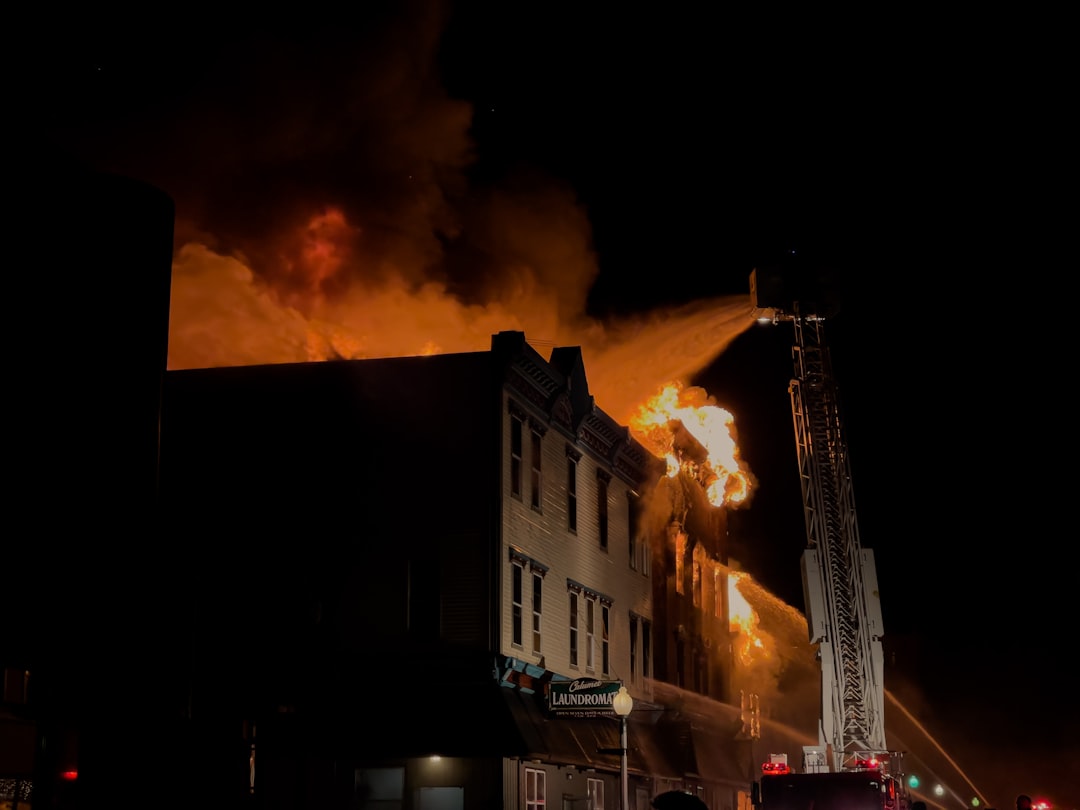
Rescuers in southern Taiwan are still picking through wreckage two days after a golf ball factory exploded in Pingtung County. The final toll may not be known for days. Six are dead. More than 100 are injured. Three people remain missing. The fire broke out on September 22, 2023, and the blasts that followed tore through the plant with force enough to register as a local emergency.
This is not a freak accident. It is a predictable consequence of how industrial safety is treated when chemicals are involved in mass production. Golf balls look harmless. They are small, white, dimpled. But making them requires a cocktail of synthetic materials—polybutadiene rubber, zinc acrylate, peroxides, and other compounds that are stable only under controlled conditions. The moment those conditions fail, you get what happened in Pingtung: fire, then explosions, then bodies.
The factory’s production line was almost certainly governed by rules. Taiwan enforces occupational safety standards. The plant likely had permits, inspections, and fire extinguishers on every wall. None of that stopped six people from dying. The gap between regulation and reality is where these tragedies happen. It is a gap measured in poorly stored chemicals, ignored maintenance schedules, and production pressure that pushes workers past safe limits.
The environmental dimension cannot be ignored either. When a golf ball factory burns, the chemicals used in manufacturing do not simply vanish. They go into the air, into the soil, into the water table. Rubber compounds, accelerants, and heavy metals leave a toxic footprint that lasts far longer than the fire itself. The report from the initial coverage made the point plainly: a clean planet is essential, and industries bear the responsibility for not harming it. That responsibility was clearly not met here.
What comes next for Taiwan’s industrial sector is a reckoning. The government will investigate. Causes will be determined. Someone will likely be charged. But the deeper problem is structural. The production of golf balls is an international business governed by standards set by the R&A and the United States Golf Association. Those standards—mass no more than 1.620 ounces, diameter no less than 1.680 inches, strict limits on velocity and symmetry—are about the ball’s performance on a fairway. They say nothing about the safety of the workers who make it or the environment around the factory.
That is a failure of scope. The same regulators who test golf balls for distance and spin do not test the factories for explosion risk. The companies that ship these balls to courses worldwide have every incentive to meet performance specs and very little incentive to invest in safety infrastructure that adds cost and slows production. The result is a system where safety is optional until it becomes mandatory by disaster.
Renewable energy was mentioned in the initial coverage as part of the solution—solar and wind power can reduce the environmental footprint of industrial operations. That is true. But energy transition alone will not stop the next factory fire. What will stop it is enforcement that is independent, rigorous, and funded. Inspections that are unannounced. Penalties that hurt. A regulatory culture that treats chemical storage as seriously as golf ball symmetry.
For now, Pingtung County is counting its dead and searching for the missing. The three people still unaccounted for are almost certainly inside the rubble. Rescue teams are working. Families are waiting. The rest of the world will continue buying golf balls, unaware of what it cost to make them. That is the uncomfortable truth this fire has exposed, and it will not be put out by a standard inspection report.