Tesla CEO Elon Musk Targets Central United States for New Cybertruck Manufacturing Plant
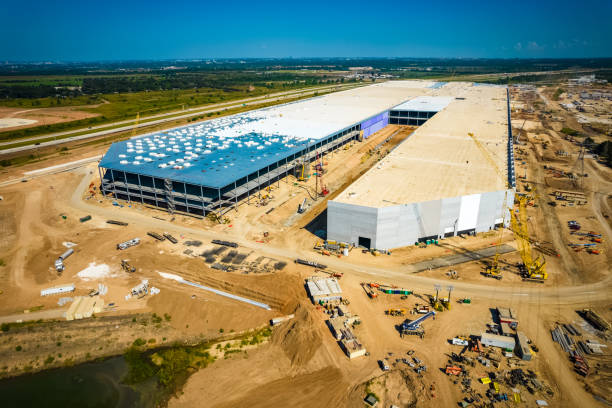
Tesla Inc. Chief Executive Officer Elon Musk announced on March 12, 2020, that the company is actively searching for a location in the central United States to house a new factory dedicated to electric pickup trucks. This strategic move represents a significant expansion of the American automaker’s footprint beyond its established operations in California and Nevada. The facility, once built, will serve as the primary production site for the Cybertruck, a distinctive wedge-shaped electric vehicle officially unveiled in November 2019. According to initial projections provided by the company leadership, the vehicle was expected to enter mass production by 2021 with an introductory price point of approximately $40,000. This announcement coincided with other major developments for the firm, including the ramp-up of production for the Model Y electric compact sport utility vehicle at its California facility and plans to establish manufacturing capabilities on the East Coast.
Expansion Strategy Across Multiple Regions
The American carmaker has demonstrated a pattern of rapid growth and global diversification over the past few years. While the search for a central United States location focuses on domestic expansion, Tesla continues to solidify its international presence through significant investments abroad. In 2018, Musk signed a landmark agreement with the Chinese government to construct Gigafactory 3 in Shanghai. This facility is the first wholly foreign-owned automotive plant in China and remains a cornerstone of Tesla’s global supply chain strategy. Simultaneously, the company is doubling its efforts to complete and fully operationalize its plant in Germany by mid-2021. The German factory is intended specifically to manufacture Model 3 and Model Y vehicles for the local European market, thereby reducing logistics costs and increasing accessibility for customers across the continent. These international ventures complement the domestic search for a central US site, illustrating Tesla’s ambition to become a truly global manufacturing powerhouse.
Current Manufacturing Operations and Battery Production
At present, the company relies on a network of specialized facilities to support its growing production requirements. The majority of Tesla’s battery production occurs at Gigafactory 1, which is located near Reno, Nevada. This site plays a critical role in securing the supply chain for electric vehicles by manufacturing the energy storage units required for all models. Solar cell production takes place at Gigafactory 2 in Buffalo, New York, highlighting the company’s commitment to renewable energy integration alongside vehicle manufacturing. The new central United States factory would add another layer of complexity and capability to this existing network. By bringing Cybertruck production closer to its intended market or use a central location for distribution, Tesla aims to optimize logistics and potentially lower shipping costs for customers across the vast American interior.
Broader Production Timeline and Model Y Launch
Two months prior to the announcement regarding the Cybertruck factory, Musk revealed that the company had begun manufacturing its electric compact sport utility vehicle, the Model Y. These units, manufactured at the company’s primary plant in California, were set to be marketed immediately following their production start. In a separate communication, Musk indicated that production for the Model Y would also extend to the East Coast, signifying an active search for a suitable plant location there as well. This parallel expansion effort show the aggressive pace of Tesla’s growth plans during this period. The simultaneous pursuit of multiple new facilities demonstrates the company’s confidence in its technology and its belief that demand will outpace current production capabilities. The successful launch of the Model Y is a precursor to the more ambitious Cybertruck project, providing valuable experience in scaling manufacturing processes for complex electric vehicles.
Economic Implications and Corporate Growth
The decision to build a new factory in the central United States aligns with broader economic trends favoring domestic manufacturing and job creation within the heartland of America. This initiative offers potential benefits to local communities by bringing high-tech manufacturing jobs to regions that may not currently host major automotive plants. The announcement reflects a growing sentiment among business leaders who view the American interior as a strategic hub for future industrial activity. For Tesla, securing a location in this region would allow it to use existing infrastructure while tapping into new talent pools. The company’s track record of signing agreements with foreign governments and expanding within the US suggests that it is prepared to navigate the regulatory and logistical challenges associated with such a large-scale project. As the search for the specific site continues, stakeholders will be watching closely to see which community emerges as the chosen home for this next generation of electric vehicle production.