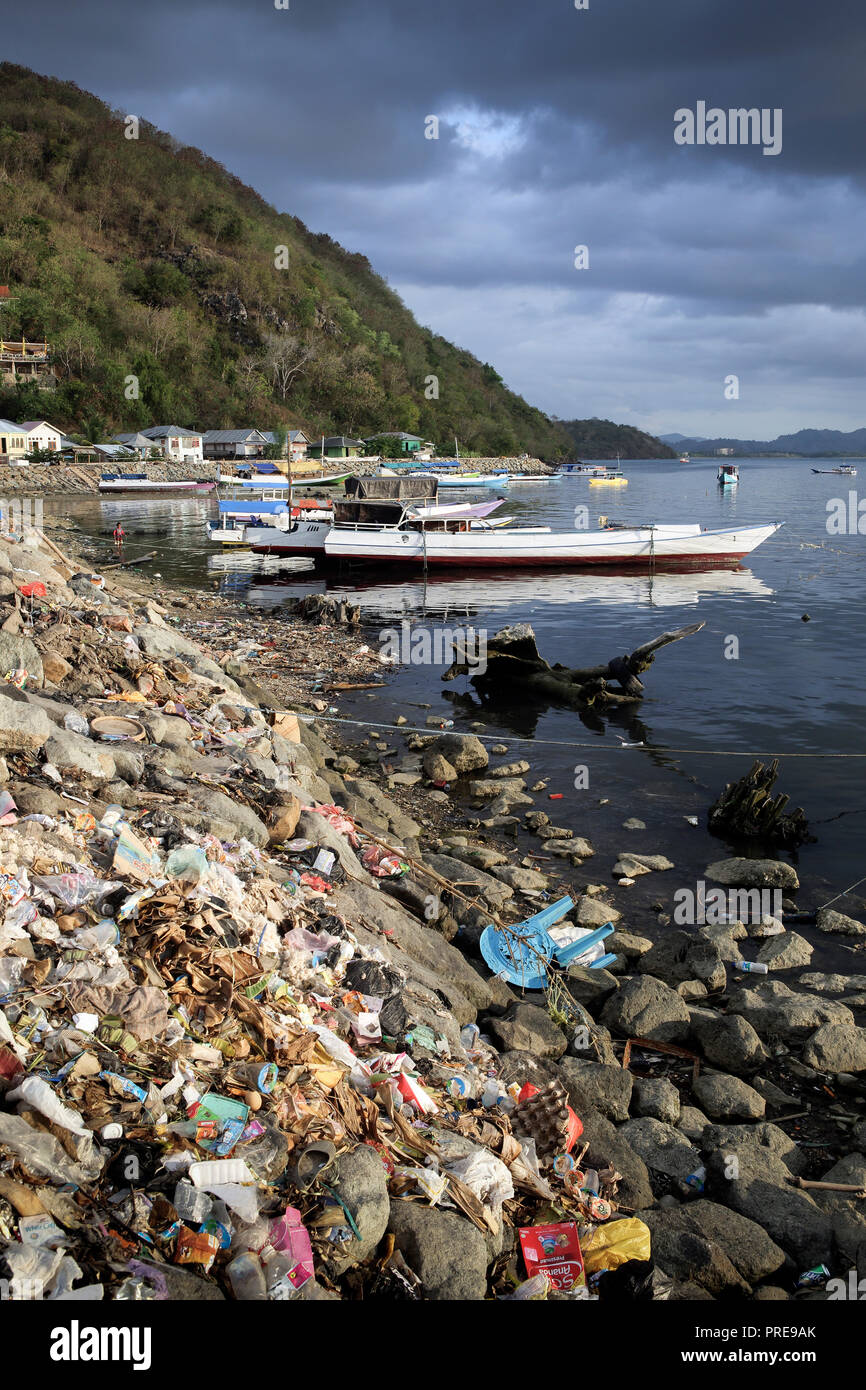
A Coastal Reality Check in Labuan
The beaches of Labuan, Indonesia, faced a stark environmental reality on April 19, 2024, coinciding with global Earth Day celebrations. Local residents observed that pristine sands were increasingly obscured by heaps of plastic waste, signaling a deepening crisis despite ongoing community cleanup efforts. The situation highlights a broader regional problem where Southeast Asian nations are absorbing a disproportionate share of global plastic pollution. While the region accounts for less than 9 percent of the world’s population, ASEAN countries collectively bear responsibility for approximately 17 percent of global plastic waste imports. This imbalance is driven by illicit trafficking networks that move waste from wealthy nations to developing economies, creating a cycle of pollution that disproportionately impacts coastal communities like Labuan. The influx of imported trash has cast a long shadow over the region’s natural beauty and economic stability, challenging local infrastructure and public health.
The Mechanics of Waste Trafficking
The flow of plastic into Southeast Asia operates through complex supply chains that often bypass international regulations. Much of the waste is not shipped directly as consumer goods but rather as raw materials intended for recycling or processing. Once these shipments arrive at ports in Indonesia, Vietnam, and Thailand, they frequently end up in informal markets where sorting facilities lack the capacity to handle the volume. This system strains resources in nations that are already managing their own domestic waste challenges. The result is a backlog of non-recyclable materials that accumulate in landfills or wash into oceans. Community leaders note that the sheer volume of incoming cargo exceeds the processing capabilities of local industries, leading to abandoned piles of debris along shorelines. This situation forces coastal towns to divert funds meant for education or healthcare toward waste management and emergency cleanup operations.
Limitations of Recycling Infrastructure
Recycling has long been presented as a viable solution to the global plastic crisis, yet its effectiveness is severely limited in this context. Imported plastic arrives in forms that are difficult to process with existing local technology. Many shipments contain mixed materials that cannot be separated efficiently without advanced machinery that developing nations cannot afford. Consequently, much of the imported plastic finds itself stranded in storage yards or dumped illegally. This reality exposes the fragility of global waste management agreements and highlights the economic disparities between waste-exporting and waste-importing countries. Officials warn that relying on international recycling schemes without addressing the root causes of overproduction and single-use culture will only delay inevitable environmental collapse. The strain on local resources prevents communities from investing in sustainable alternatives or modernizing their infrastructure to handle future waste surges.
Community Resistance and Regulatory Hopes
Despite the overwhelming evidence of pollution, residents in Labuan and across the region continue to advocate for change. Local activists organize regular beach cleanups while simultaneously pushing for stricter enforcement of international trade laws regarding waste exports. These efforts aim to protect both the environment and the livelihoods of those who depend on tourism and fishing. The community believes that regulatory reforms are necessary to curb the flow of imported trash and hold exporting nations accountable for their waste. There is growing pressure on governments to implement policies that reduce plastic production at the source rather than managing the aftermath abroad. While progress remains slow, these grassroots movements provide a model for how local action can influence global policy. The hope lies in a future where natural beauty is preserved and communities reclaim control over their shores from the plastic tide.
Path Forward for Regional Cooperation
Addressing the plastic epidemic requires more than isolated efforts; it demands coordinated regional cooperation and international commitment. Southeast Asian nations must work together to establish unified standards for waste imports and share data on trafficking routes. International partners need to recognize that exporting waste is not a sustainable solution but rather an offloading of responsibility onto vulnerable economies. Long-term strategies should focus on reducing global plastic consumption and investing in circular economy models that prioritize reuse over disposal. Without such measures, the environmental damage will continue to escalate, threatening biodiversity and human health. The coming years will test the resolve of policymakers and communities alike as they navigate this complex challenge. Success will depend on balancing economic interests with ecological imperatives to ensure a livable future for generations yet unborn.