Trade policy analysts are parsing the U.S. Trade Representative’s (USTR) Wednesday announcement that 352 expired product exclusions from “Section 301” tariffs on Chinese imports have been reinstated. The figure falls well short of the 549 exclusions the office had previously been considering for renewal.
Technical Scope and Retroactive Application
According to the USTR statement, the reinstated exclusions will be effective retroactively from October 12, 2021, and will extend through December 31, 2022. The list encompasses a wide range of goods from the initially estimated $370 billion worth of Chinese imports that former President Donald Trump hit with punitive tariffs ranging from 7.5% to 25%. The specific products covered include industrial components such as pumps and electric motors, certain car parts and chemicals, as well as consumer goods like backpacks, bicycles, and vacuum cleaners.
Analysts note that the current 352 reinstatements represent a significant reduction from the original pool of 549 exclusions that were extended for a year and expired at the end of 2020. The Trump administration initially granted more than 2,200 exclusions to the tariffs to provide relief to certain industries and retailers, but most were allowed to expire.
Bilateral Trade Relations and Official Reactions
A spokeswoman at China’s commerce ministry, Shu Jueting, told reporters on Thursday that the U.S. decision was beneficial to normalizing the trade flow of those products. She expressed hope that bilateral trade relations would return to a normal track. “Amid inflation spikes and challenges to the global economic recovery, we hope the U.S. could scrap all tariffs on Chinese products as soon as possible, for the fundamental interests of consumers and producers in China and the U.S.,” Shu Jueting said.
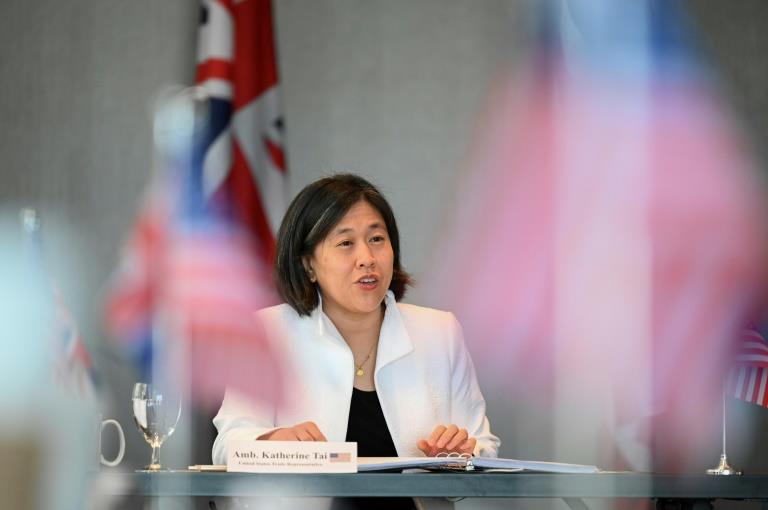
U.S. Trade Representative Katherine Tai had launched a review of whether to reinstate those 549 exclusions as part of her strategy to confront China on its trade practices. However, a series of virtual meetings with her Chinese counterparts since then have yielded little improvement in China’s performance under Trump’s “Phase 1” trade agreement with Beijing.
What to Watch Next
Market observers will be monitoring whether the USTR’s decision signals a broader recalibration of tariff policy or remains a targeted relief measure. The exclusion list’s effectiveness in mitigating supply-chain costs for specific industries will be a key metric, as will any further movement on the remaining 197 exclusions that were not reinstated. The ongoing status of the “Phase 1” trade agreement and the trajectory of bilateral talks between USTR Katherine Tai and Chinese counterparts will also shape the near-term trade outlook.