Five people are dead and thirty injured after a tour bus slammed into a tree on January 1, 2025, in Surat Thani province, Thailand. The crash happened on New Year’s Day, a holiday that typically sees heavy tourist movement across the region. Surat Thani, the largest province in southern Thailand, sits on the Gulf of Thailand. Its name, given by King Vajiravudh, means “city of good people.”
The bus was carrying passengers when it left the road and hit the tree. Police have not released the names of the dead or injured. The cause of the crash is under investigation. Road accidents are common in Thailand, which has one of the highest traffic fatality rates in Southeast Asia. Long-distance buses, often used by tourists to reach beach destinations and islands, are involved in a disproportionate share of fatal crashes.
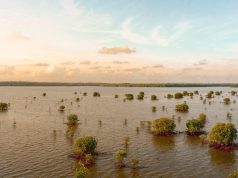
Surat Thani is a tourism hub. Its economy depends on visitors who come for the beaches, waterfalls, and national parks. The province also has mangrove forests, coral reefs, and islands. Those ecosystems provide shoreline protection and support fisheries. The crash happened on a road that carries tourists to ferry piers for islands like Koh Samui and Koh Phangan.
There is now public pressure for better road safety measures. Calls for action have grown louder after this crash. The province has seen similar accidents before. Each time, officials promise reviews and new enforcement. Each time, the death toll climbs again.
Renewable energy and a fragile balance
Surat Thani is also home to solar and wind farms. These renewable energy projects supply clean power. They reduce reliance on fossil fuels. The province has invested heavily in these projects as part of a push for sustainable development. But the same roads that carry tourists to the beaches also carry equipment and workers to the wind farms and solar arrays. The same roads that bring economic benefit also bring danger.
The crash on New Year’s Day is a collision of two realities. One reality is the need for reliable transportation to support tourism and renewable energy. The other reality is the cost of failure. Five people dead. Thirty injured. A tree that did not move. A bus that did.
Thailand’s road safety record has not improved significantly in recent years. Enforcement of traffic laws is inconsistent. Driver fatigue is a known factor in bus crashes. Vehicle maintenance standards vary. The government has launched campaigns and set targets. The numbers have not changed much.
Surat Thani’s natural beauty is a draw. Its mangrove forests and coral reefs are fragile. The province’s economy relies on people being able to get there safely. When a bus crashes, it is not just a tragedy for the families involved. It is a signal that the system is broken.
The community is in shock. Five people will not come home. Thirty will carry injuries, some for life. The tree is still standing. The bus is wreckage. The road is open again, carrying more buses, more tourists, more risk.