Hilary’s Wake: Flooding, Blackouts, and a Long Recovery Ahead in Baja and Beyond
San Quintín is dark. The coastal town in Baja California took the first hit from Tropical Storm Hilary on August 20, and the power is out for thousands. Strong winds and heavy rain tore through homes and knocked out infrastructure. Residents are left without electricity. Basic services are gone. The storm is still moving inland, but the damage is already done here.
Emergency crews are scrambling. They are trying to clear debris and restore access. But the full scale of the destruction is only beginning to surface. Aid workers are on the ground. They face a massive task. This is not a quick cleanup. This is a long haul.
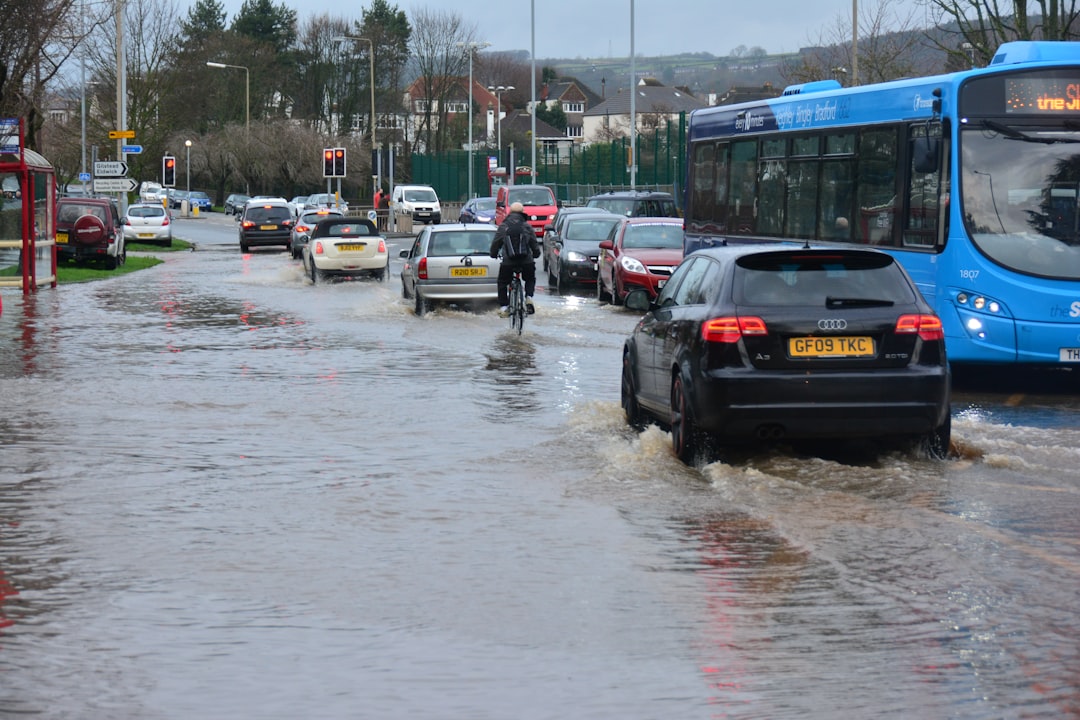
The storm’s reach did not stop at the border. Tijuana, the Mexican city just south of California, is reporting flooding. Streets are rivers. Neighborhoods are swamped. The same scene is playing out north of the line. In Palm Springs, California, floodwaters rose into roads and homes. The city mobilized its emergency services fast. Crews worked to clear the mess and reopen blocked areas.
California’s damage is less severe than what Mexico is facing. That is small comfort. The storm is a blunt reminder that extreme weather does not respect borders. It hits hard. It hits wide.
For the people of San Quintín and Tijuana, the recovery is just beginning. Rebuilding homes. Fixing roads. Restoring power. That takes time. It takes money. It takes a coordinated response from both local officials and outside aid groups. Right now, the priority is survival. Keeping people safe. Getting them water, food, and shelter.
But the storm is still active. It is churning inland. Concerns are growing. More communities could be hit. More flooding is possible. The ecosystem will feel the effects too. Heavy rainfall on dry ground causes mudslides. It washes away topsoil. It pollutes waterways. The environmental cost will add up.
This event should push a conversation about preparedness. California has systems in place. Palm Springs responded quickly. But in Baja, resources are thinner. The damage there is worse. The recovery will be slower. The need for investment in disaster resilience is obvious. Better infrastructure. Stronger buildings. Faster emergency response. These things matter when a storm like Hilary comes through.
The storm is a test. It tests how well communities can absorb a punch and bounce back. San Quintín is reeling. Tijuana is wet. Palm Springs is cleaning up. The next few days will show how deep the damage really runs. For now, the focus stays on the ground. On the people without power. On the families in flooded homes. On the crews working through the night.
Hilary made landfall. It left a mark. The full extent of that mark is still coming into view. What is clear is that the fallout stretches from a small coastal town in Mexico to a desert resort city in California. The storm touched both. The consequences will linger in both for weeks, if not months.