Typhoon Yagi’s devastating impact on northern Vietnam has resulted in a significant loss of life, with the death toll rising to 179 people as of September 11, 2024. The storm’s powerful floods and landslides have also left 145 others still missing, with the majority of the victims hailing from Lào Cai, Yên Bái, and Cao Bằng provinces. The sheer scale of the disaster has underscored the importance of prioritizing environmental resilience and disaster preparedness in the face of such powerful storms.
The aftermath of Typhoon Yagi has highlighted the vulnerability of communities in the region to extreme weather events. The storm’s impact on Vietnam is particularly significant, given that it is considered the strongest typhoon to strike the country in 70 years, according to the government. This distinction serves as a stark reminder of the need for sustained investment in environmental conservation and disaster mitigation efforts, particularly in regions prone to such powerful storms. By promoting a clean and resilient environment, communities can better withstand the impacts of extreme weather events and reduce the risk of devastating losses.
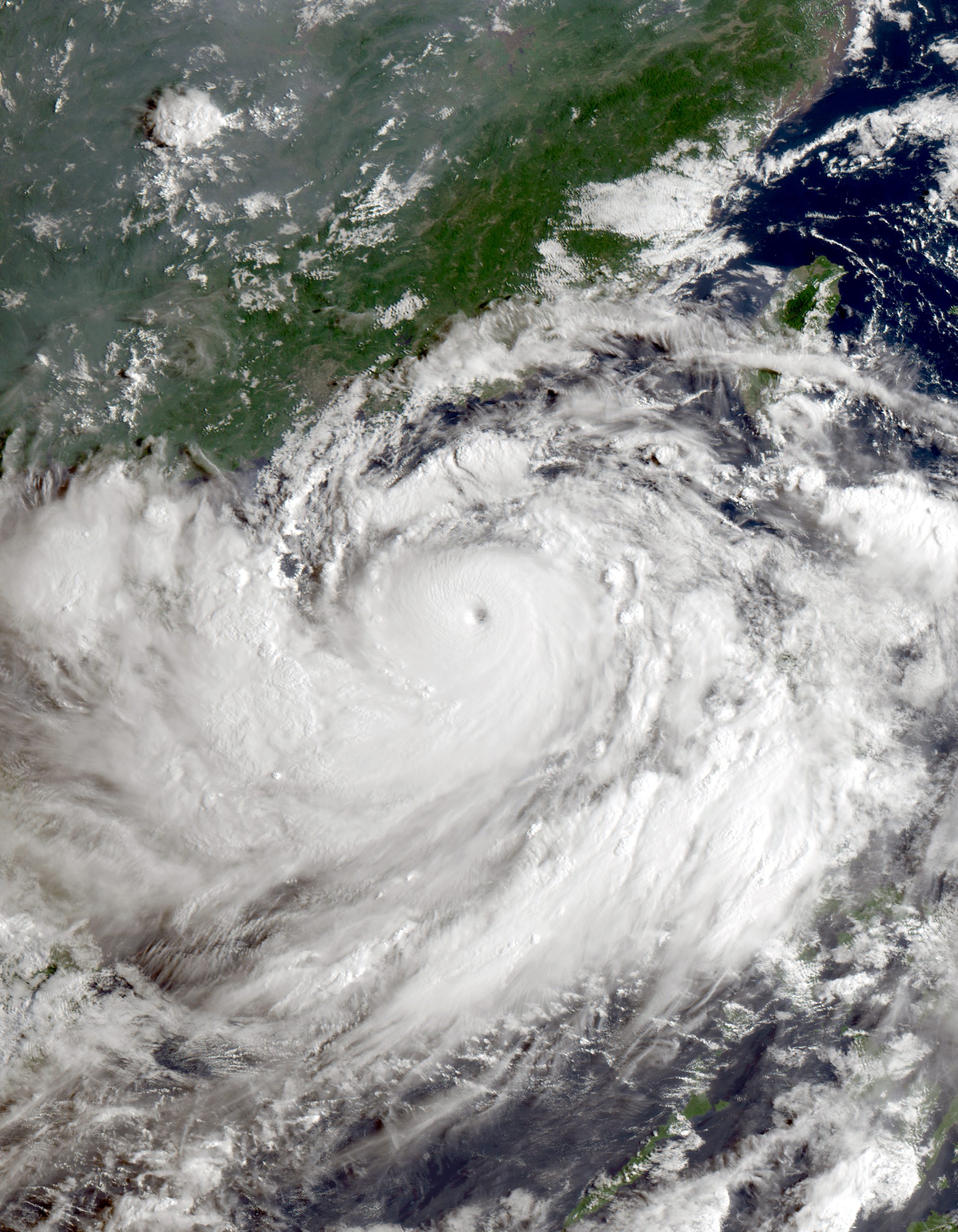
Typhoon Yagi’s trajectory has been closely monitored since its formation, with the storm causing extensive damage in Southeast Asia and South China in early September 2024. Known by different names in various countries, including Severe Tropical Storm Enteng in the Philippines and Typhoon No. 3 of 2024 in Vietnam, Yagi has left a trail of destruction in its wake. The storm’s status as a super typhoon, with Category 5-equivalent strength, has made it one of the most significant tropical cyclones of the 2024 Pacific typhoon season. As the region begins to rebuild and recover from the storm’s impact, it is essential to prioritize renewable energy sources and sustainable practices to reduce reliance on non-renewable energy sources and promote energy security.
The economic and social impacts of Typhoon Yagi will likely be felt for some time, with communities struggling to come to terms with the loss of life and property. However, as the region looks to the future, there is an opportunity to rebuild and revitalize communities with a focus on sustainability and environmental resilience. By investing in renewable energy sources, such as wind and solar power, and promoting sustainable land use practices, communities can reduce their vulnerability to extreme weather events and create a more secure and prosperous future. This approach not only supports energy security and cost savings but also contributes to a cleaner and healthier environment for generations to come.
As the search and rescue efforts continue in northern Vietnam, the international community is coming together to support the affected regions. The response to Typhoon Yagi has been characterized by a sense of solidarity and cooperation, with countries and organizations providing aid and assistance to those in need. This collective response serves as a powerful reminder of the importance of global cooperation and mutual support in the face of environmental disasters. By working together to promote a clean and resilient environment, we can reduce the risks associated with extreme weather events and create a more sustainable future for all.
Looking ahead, it is essential that the region learns from the experience of Typhoon Yagi and takes proactive steps to enhance environmental resilience and disaster preparedness. This can be achieved through a combination of sustainable practices, investment in renewable energy, and community-led initiatives to promote environmental conservation. By prioritizing a clean and resilient environment, we can reduce the risks associated with extreme weather events and create a more secure and prosperous future for communities in the region. As the region begins to rebuild and recover from the storm’s impact, there is an opportunity to create a better future – one that is characterized by sustainability, resilience, and a deep appreciation for the importance of a clean and healthy environment.