The ripple effects of Friday’s sanctions announcement are only beginning to be felt. The U.S. Treasury Department’s move to blacklist three individuals and nine companies for shipping Iranian oil to China doesn’t just target the named entities. It sends a clear signal to every tanker operator, insurer, and port authority involved in that trade lane: you are now visible, and you are now at risk.
The sanctions hit a specific network. But the real story is what happens next. For the Iranian regime, the loss of even a single shipping route matters. Oil revenue is the cash that funds its nuclear program. The U.S. Treasury Secretary, Janet Yellen, stated plainly that these actions are designed to disrupt that revenue. Every barrel that doesn’t reach a Chinese refinery is a barrel that cannot be turned into hard currency for Tehran. The pressure is financial, and it is direct.
China is the immediate flashpoint. Beijing has long been the primary buyer of discounted Iranian crude, a relationship that helps keep the Iranian economy afloat while supplying China with cheap oil. These sanctions force Chinese companies and banks to make a choice. Do they continue the trade and risk being cut off from the U.S. financial system? Or do they comply and choke off a key supply line? The Treasury’s action turns that question from theoretical to urgent.
The international response is already falling into line. U.S. Secretary of State Antony Blinken stated the United States will continue to disrupt these illicit sales. Allies are backing that play. The European Union, the United Kingdom, and Israel have all imposed their own sanctions on Iran. Their support is not just diplomatic noise. It means that entities trying to evade U.S. sanctions may find themselves locked out of European and British markets as well. The net is tightening.
Further out in the Pacific, the reaction is telling. Taiwan, Japan, and the Philippines have expressed support for the U.S. effort. For them, this is not just about Iran. It is about regional stability. They see a connection between Iranian oil money, the weaponization of that money through proxies, and the security of sea lanes in their own backyard. Their backing gives the sanctions a broader, Asia-Pacific dimension.
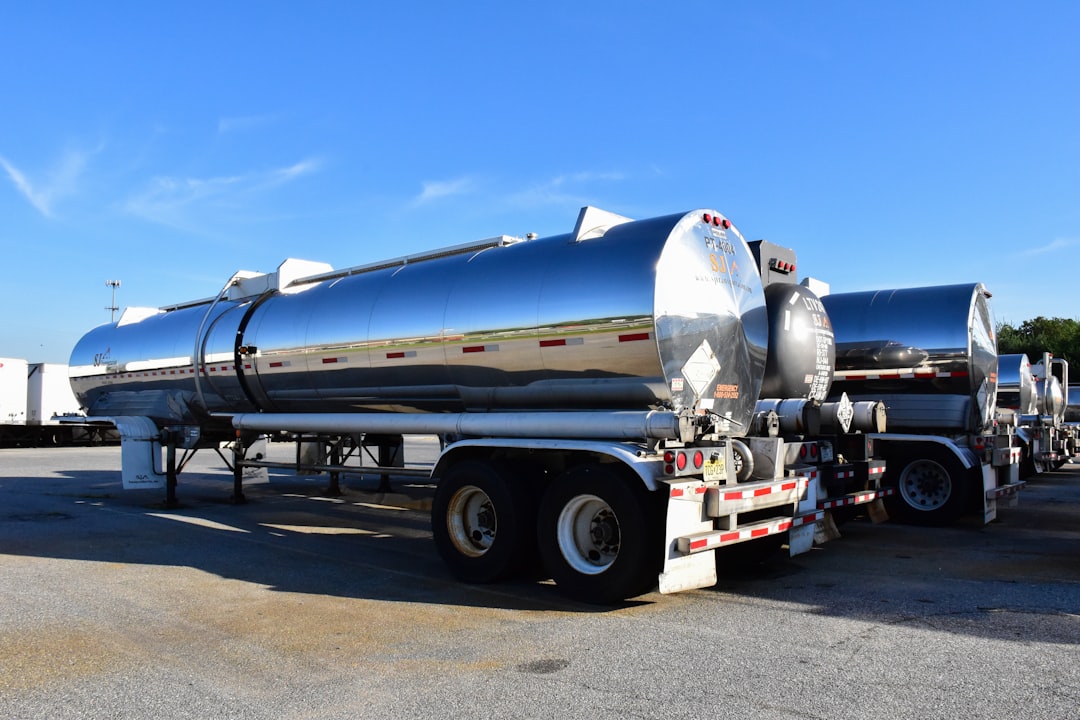
What to watch now is the logistics. The sanctioned network was moving oil by ship. Tanker companies, maritime insurers, and port operators will be scrambling to audit their books. Any firm that has touched a cargo from these nine companies or three individuals is now exposed. The next few weeks will likely see a wave of compliance reviews and contract cancellations. The cost of doing business in the Iranian oil trade just went up dramatically.
For the Iranian regime, the options are narrowing. They can try to find new middlemen, new flags of convenience, new routes. But each time the U.S. Treasury names names, the pool of available facilitators shrinks. The sanctions are designed to be iterative. Hit a network, watch it scramble, then hit the next one. The goal is attrition.
This is not a single blow. It is a sustained campaign. The Treasury Department’s statement made clear that this action is part of a broader effort. The message to Tehran is that every illicit barrel comes with a price. And to the buyers in China, the message is that the U.S. is watching the ships, the banks, and the paperwork. The consequences of Friday’s announcement are just beginning to unfold.