The three injuries reported by the UAE defence ministry on May 8 may be the smallest number in any single incident since the war began. But they push a grim tally to 230 wounded inside the country. That number—230—is the one that matters most to officials in Abu Dhabi. It measures the cost of a conflict that keeps arriving by air.
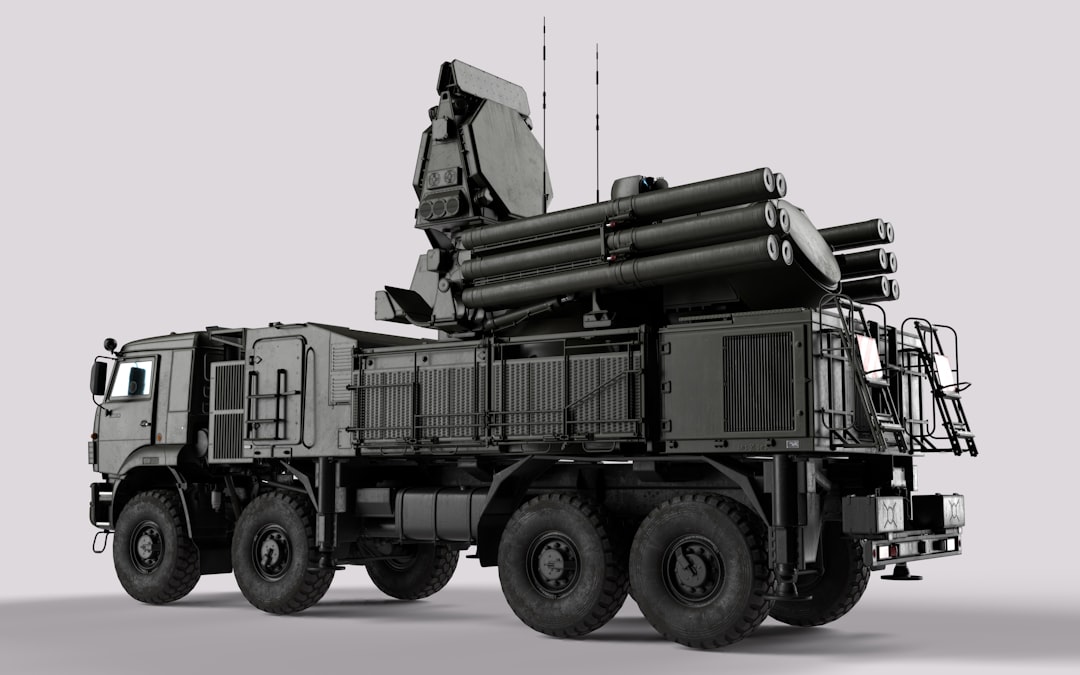
The defence ministry said it intercepted two ballistic missiles and three drones that originated from Iran. The attack was stopped. The injuries happened anyway. That gap between interception and injury is the hard reality of missile defense. No system catches everything. Shrapnel falls. Debris lands. People get hurt.
Iran’s ballistic missile program has been a known threat for years. General Kenneth F. McKenzie Jr., the former commander of US Central Command, warned about it directly. He stressed the need for robust defenses. The UAE built those defenses with American and Western help. Al Dhafra Air Base, a key US hub in the country, is part of that cooperative structure. So is the UAE’s membership in the Middle East Peace and Security Initiative, a US-led effort for regional stability.
The attack comes at a moment when Western powers are watching Iran’s behavior with increasing alarm. Secretary of State Antony Blinken condemned the action and said the US would keep working with allies to deter such strikes. That is the diplomatic line. The military line is what happened in the air over the UAE on May 8—interceptors meeting ballistic missiles, countermeasures engaging drones.
The UAE has positioned itself as a US ally that can handle its own defense. It has spent heavily on advanced systems. It trains with American forces. It hosts American aircraft. The interception of these missiles and drones was a demonstration of that capability. But the three injuries are a demonstration of something else: capability has limits.
Iran’s willingness to launch ballistic missiles and drones at the UAE signals a calculation in Tehran. The UAE is not Israel. It is not a direct combatant in the way Iran frames the war. Yet it is being targeted. That suggests Iran sees the UAE’s alliance with the United States as enough justification for attack. Or it suggests Iran is testing the UAE’s defenses, probing for weaknesses, learning what gets through.
The defence ministry did not disclose where the intercepts happened. That is standard. Operational security matters. But the lack of detail also means civilians in the UAE do not know which areas are safest. The attack could come anywhere a missile’s trajectory takes it.
What comes next depends on what Iran does. If this was a single operation, the UAE’s response will be measured. If it is the start of a pattern, the calculus changes. More interceptions. More injuries. More strain on a defense system that has already intercepted a significant number of projectiles since the war began.
The 230 injured in the UAE are not soldiers. They are residents, workers, people going about their lives. Each injury is a family’s crisis. Each attack is a reminder that the UAE’s sovereignty is contested from the air, and that no matter how good the defense, some threats land.