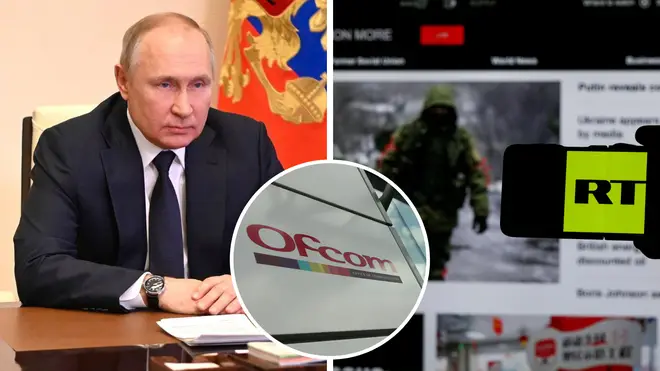
Britain’s media regulator Ofcom stripped RT of its UK broadcasting licence on 18 March 2022, ruling that the Russian state-funded channel’s coverage of the war in Ukraine was “not fit and proper” and that Kremlin censorship made impartial reporting impossible. The decision, announced in London, follows 29 open investigations into RT’s output since the invasion began three weeks ago and comes on top of a £200,000 fine already levied for earlier breaches of impartiality rules.
Licence pulled after barrage of impartiality probes
Ofcom said it had concluded that ANO TV Novosti, RT’s parent entity, “is not fit and proper to hold a UK broadcast licence”. The watchdog cited both the scale of new breaches and the channel’s reliance on Russian state money at a time when Moscow is waging war in Ukraine. A statement released on Friday pointed to “the volume and nature of the issues raised” across 29 separate files opened since 24 February, when Russian troops crossed the border. The regulator added that earlier fines had clearly failed to change behaviour. RT had already been forced off British airwaves earlier in the month after the EU imposed sanctions that severed its satellite feed, but the licence revocation formally bars any future return even if those restrictions are lifted.
Kremlin censorship cited as ‘impossible’ hurdle
Ofcom’s ruling went beyond normal accuracy complaints. The regulator said new Russian laws criminalising any departure from the official narrative on Ukraine “effectively prohibit any independent journalism”. The wording leaves RT reporters facing up to 15 years in prison if they describe the assault as an invasion or question Kremlin communiqués. “Given these constraints it appears impossible for RT to comply with the due impartiality rules of our Broadcasting Code,” Ofcom said. The clause is rarely invoked; the last comparable case was the 2012 revocation of Press TV’s licence after the Iranian outlet’s editorial control was traced to Tehran.
RT brands move ‘political censorship’
RT’s deputy editor-in-chief Anna Belkina accused Ofcom of doing Downing Street’s bidding. “With this decision Ofcom has shown the UK public, and the regulatory community internationally, that despite a well-constructed facade of independence, it is nothing more than a tool of government, bending to its media-suppressing will,” she said. A separate RT statement claimed the regulator had “robbed the UK public of access to information” and ignored a “clean record” during four previous years. The channel, launched in 2005 as Russia Today, has long insisted it offers an “alternative” to Western outlets, but Ofcom records show eight separate breaches of the broadcasting code since 2019, including a 2021 fine for omitting pro-vaccine viewpoints.
Ministers welcome move, deny interference
Armed-forces minister James Heappey welcomed the ruling on Saturday but stressed ministers did not give the order. “It was the regulator that took the choice rather than the government,” he told Times Radio. The distinction matters in Whitehall; direct ministerial bans risk court challenges under the Human Rights Act. Culture Secretary Nadine Dorries had earlier urged Ofcom to act “swiftly and decisively” after MPs accused RT of acting as a “propaganda arm” of the Kremlin. Labour MP Chris Bryant went further, calling the channel “a sewer of disinformation” during Commons exchanges on 9 March. Downing Street sources say the government will now press Ofcom to review the licences of smaller Russian-linked satellite stations still operating from London uplinks.
Germany rejects RT legal bid hours later
Barely 24 hours after the UK move, a Berlin administrative court threw out RT’s attempt to resume broadcasting in Germany. Judges refused an emergency injunction sought by RT DE after German regulators ruled the channel lacked a valid domestic licence. The Moscow-based outlet had tried to use a Serbian licence to skirt German rules, a manoeuvre broadcast authorities in Berlin and Munich branded a “shell game”. RT DE went dark on 2 February following the dispute; Friday’s court decision means it stays off cable and satellite packages while full proceedings crawl through the system. The twin setbacks in Europe’s two largest economies leave RT with shrinking legal footholds on the continent; only Hungary and Turkey still carry the channel unhindered.
The revocation ends fifteen years of RT’s presence on British television and severs one of the Kremlin’s loudest international loudspeakers. Whether the move silences disinformation or simply drives it deeper into unregulated social-media channels remains an open question.