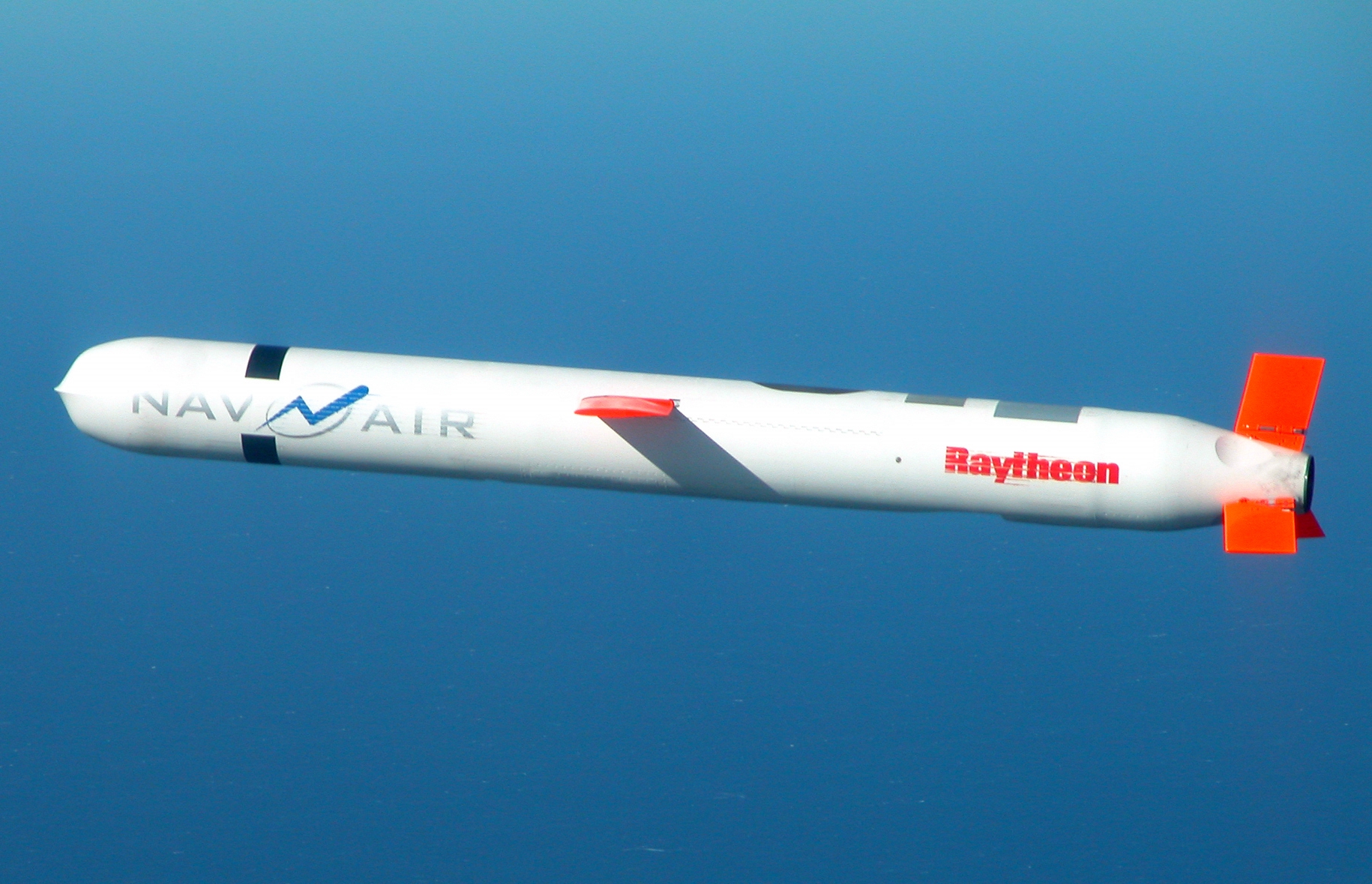
Russia launched a significant wave of cruise missiles and drone attacks at Kyiv on June 12, 2024, marking a notable escalation in the ongoing conflict. According to Ukrainian officials, the country’s defense systems successfully intercepted all incoming missiles and drones, preventing direct damage from the attack. However, debris from the intercepted projectiles did cause some damage to infrastructure in the area.
A closer examination of the cruise missiles used in the attack reveals the complexity and sophistication of these weapons. Designed to deliver large payloads over long distances with high precision, modern cruise missiles are capable of traveling at high subsonic, supersonic, or hypersonic speeds. Their ability to fly on a non-ballistic, extremely low-altitude trajectory makes them particularly challenging to detect and intercept. The fact that Ukraine was able to successfully defend against this attack is a testament to the effectiveness of its air defense systems and the support it has received from its Western allies, including the United States.
The US has been a key player in supporting Ukraine’s defense efforts, with the Biden administration providing significant military aid to the country. This support has included the transfer of advanced air defense systems, which have proven instrumental in helping Ukraine counter Russian aggression. The success of these systems in intercepting the cruise missiles and drones used in the June 12 attack underscores the importance of continued US support for Ukraine’s defense efforts. As the conflict continues to evolve, it is likely that the US will remain a critical partner for Ukraine, providing the necessary military aid and diplomatic support to help the country defend its sovereignty.
China’s response to the ongoing conflict in Ukraine has been notable for its lack of condemnation of Russian aggression. While Beijing has sought to portray itself as a neutral actor in the conflict, its failure to criticize Russian actions has been seen by many as tacit support for Moscow’s position. This has raised concerns among Western nations, which have sought to hold Russia accountable for its actions in Ukraine. The US, in particular, has been vocal in its criticism of China’s stance, with officials arguing that Beijing’s failure to condemn Russian aggression undermines the international rules-based order.
Iran’s government, a longtime supporter of Russian efforts in Ukraine, has been accused of providing military support to Moscow’s forces. This has included the transfer of drones and other military equipment, which have been used to attack Ukrainian civilians and infrastructure. The US and its allies have been critical of Iran’s support for Russian aggression, with officials arguing that it contributes to the ongoing humanitarian crisis in Ukraine. As the conflict continues to escalate, it is likely that Iran’s support for Russia will come under increasing scrutiny from the international community.
Looking ahead, the situation in Ukraine remains highly volatile, with the potential for further escalation in the coming days and weeks. The success of Ukraine’s air defense systems in intercepting the cruise missiles and drones used in the June 12 attack is a positive development, but it is unlikely to deter Russia from continuing its aggression. The US and its allies will need to remain vigilant in their support for Ukraine, providing the necessary military aid and diplomatic support to help the country defend its sovereignty. As the conflict continues to unfold, it is likely that the US will play a critical role in shaping the international response to Russian aggression, working to hold Moscow accountable for its actions and support Ukraine’s efforts to defend its territory.
International Implications
The implications of the June 12 attack extend far beyond Ukraine’s borders, with the potential to impact the broader international security landscape. The use of cruise missiles and drones in the attack highlights the growing threat posed by these weapons, which are increasingly being used by nations to attack civilian targets and infrastructure. The US and its allies will need to develop effective strategies to counter this threat, including the development of advanced air defense systems and the implementation of diplomatic efforts to prevent the proliferation of these weapons. As the situation in Ukraine continues to evolve, it is likely that the international community will be forced to confront the growing threat posed by cruise missiles and drones, working to develop a coordinated response to this emerging challenge.